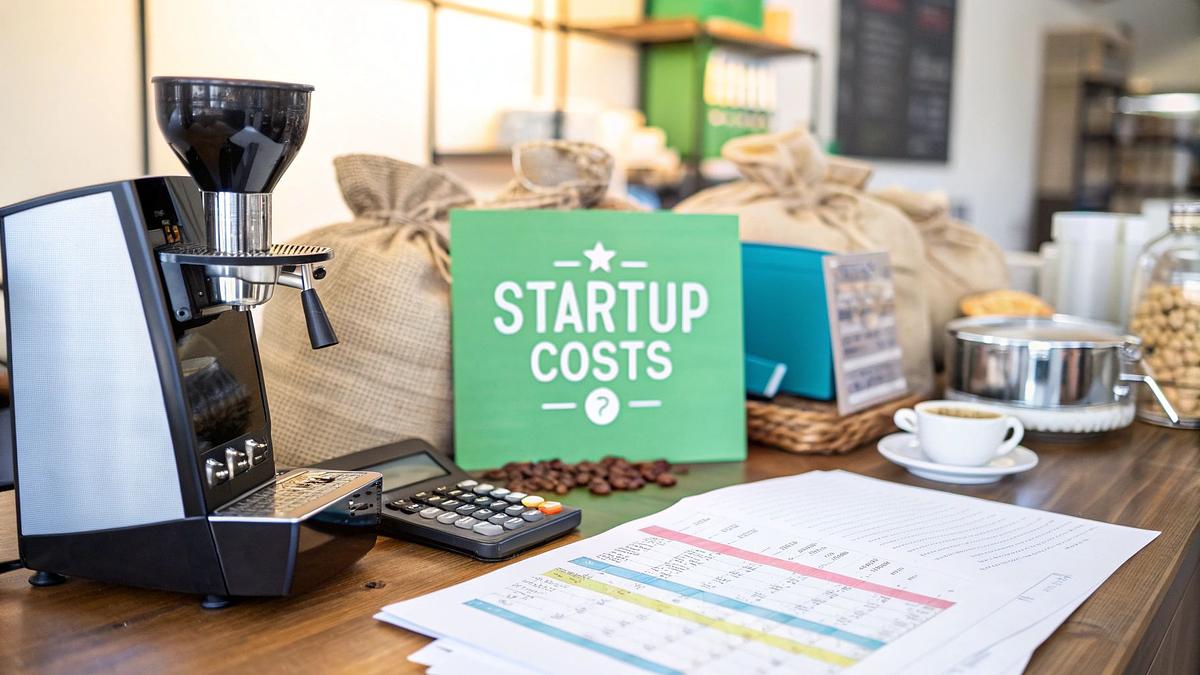
So, you're dreaming of opening your own coffee shop. It’s a fantastic ambition, but the first, most critical step is getting to grips with the finances. Let's be honest: figuring out the startup costs for a coffee shop can feel daunting, but it's the foundation of a successful business. The numbers can swing wildly depending on your vision, from a cosy local spot to a slick city-centre destination.
Your UK Coffee Shop Startup Costs at a Glance
Before you even think about grinder settings or latte art, you need a solid financial plan. In the UK, you could get a small, modest coffee shop off the ground for around £25,000 in a town with lower rents. But if you’re aiming for a high-end fit-out in a prime London or Manchester location, that figure could easily soar past £150,000.
This huge range comes down to a whole host of factors, from the size of your lease deposit to the extent of renovations needed. It’s a complex puzzle, but one you can absolutely solve with careful planning.
This chart breaks down the typical low-end vs. high-end costs to give you a clearer picture of where your money will go.
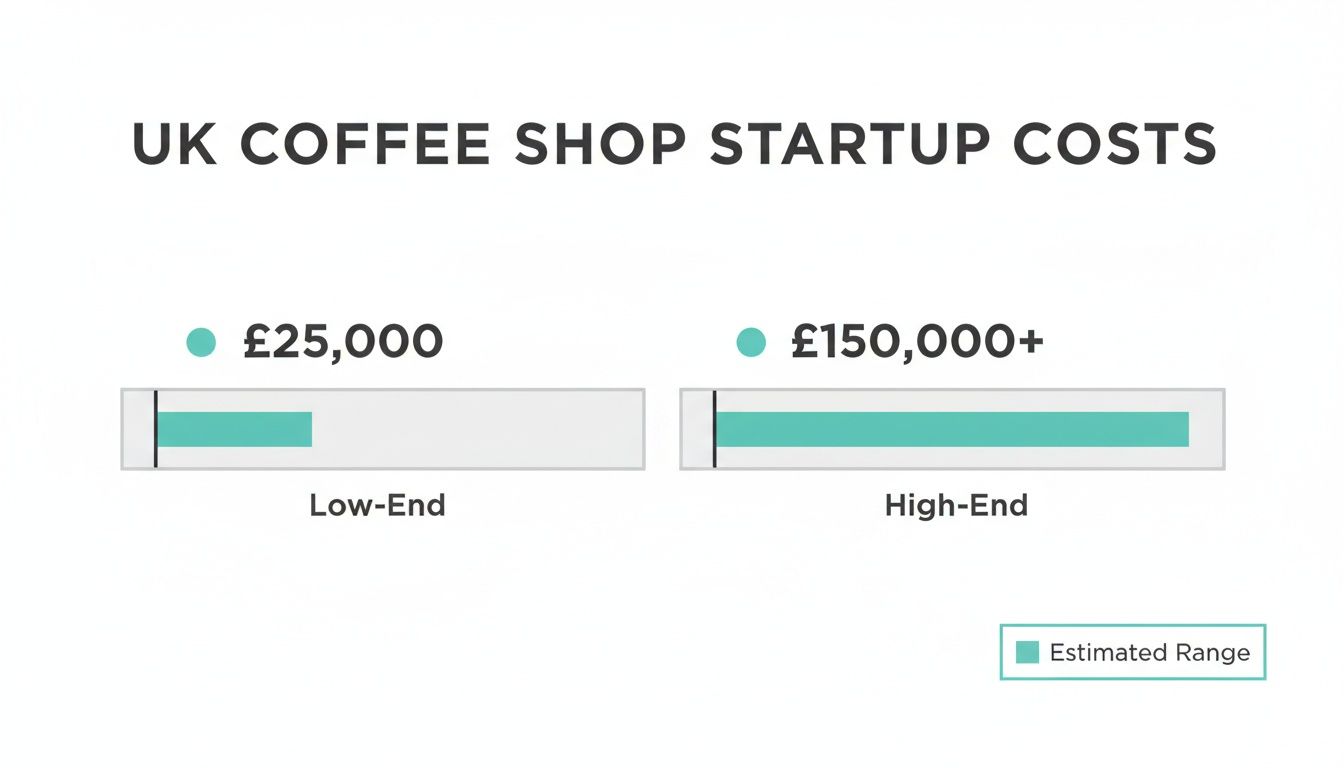
As you can see, your location and the scale of your dream are the biggest drivers of that initial budget. A city-centre shop simply demands a much bigger pot of cash. To get into the nitty-gritty, this restaurant startup costs breakdown is a great resource. While it's US-based, the principles of what to account for are universal and incredibly helpful.
Key Cost Areas to Consider
Your total startup figure is a mix of big one-off payments and the initial running costs you'll need to cover before you start turning a profit. Thinking about these early on will save you a world of stress later.
Here’s a look at the major expenses you'll need to budget for.
Estimated Startup Cost Ranges For a UK Coffee Shop
This table gives a more detailed look at the typical investment you might expect. The low-end figures reflect a smaller-scale operation in a more affordable area, while the high-end estimates are geared towards a larger, premium shop in a major city.
| Expense Category | Low-End Estimate (e.g., Small Town) | High-End Estimate (e.g., Major City) |
|---|---|---|
| Premises & Fit-Out | £10,000 - £20,000 | £40,000 - £80,000+ |
| Equipment & EPOS System | £8,000 - £15,000 | £25,000 - £45,000+ |
| Initial Stock & Packaging | £2,000 - £4,000 | £5,000 - £10,000 |
| Licences & Legal Fees | £1,000 - £2,500 | £3,000 - £7,000 |
| Working Capital (3-6 Months) | £4,000 - £8,500 | £15,000 - £30,000+ |
| Total Estimated Range | £25,000 - £50,000 | £88,000 - £172,000+ |
Remember, these are just estimates. Your final costs will depend entirely on your specific circumstances, supplier deals, and how much work the premises needs.
Your main outlays will typically fall into these buckets:
- Premises and Fit-Out: This is often the biggest chunk. It includes your lease deposit, solicitors' fees, and the cost of turning an empty space into a welcoming café. Think plumbing, electrics, flooring, and décor.
- Equipment: The espresso machine is the heart of your shop, but don't forget grinders, fridges, dishwashers, and your EPOS system. This is a major capital investment.
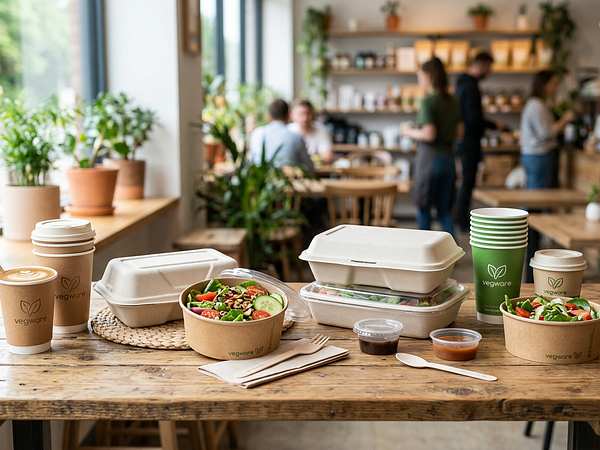
- Initial Stock: It's more than just coffee beans and milk. This is your first order of everything, including those all-important sustainable packaging choices—like compostable cups and plant-based lids—that tell customers what your brand stands for right from day one.
- Working Capital: This is your safety net. You absolutely need a cash reserve to cover wages, rent, and bills for at least the first three to six months while you build your customer base. Don't skip this.
Your budget isn’t just a list of things to buy; it’s your strategic roadmap. A well-thought-out budget helps you decide where to invest in top-tier equipment and where you can be savvy, like choosing cost-effective but eco-friendly disposables that resonate with today's conscious consumer.
By breaking down the numbers, you can turn a vague, scary figure into a manageable financial plan.
Securing and Fitting Out Your Premises
Your physical location is where the dream of owning a coffee shop starts to feel real. It's also, without a doubt, the single biggest investment you'll make. Before you even think about serving your first flat white, you're going to face some significant upfront costs to secure and transform a commercial space. This goes way beyond just paying the first month's rent.
First up, you need to actually secure the lease. This almost always means paying a hefty deposit, typically three to six months' rent, to give the landlord some security. On top of that, you’ll need a solicitor to pore over the commercial lease agreement – a non-negotiable step to make sure you're not walking into any contractual traps. These two costs alone can easily run into thousands of pounds before you even get the keys.
Understanding UK Rent Variations
One of the most eye-opening variables in your startup costs for a coffee shop is the rent. The difference from one city to another, or even one neighbourhood to the next, is enormous. A prime spot in central London will have a price tag that’s worlds away from a high street in a smaller regional town.
To put it in perspective, London rents can soar from £35,000 annually for a decent 911 sq ft spot in Angel, down to £19,000 for a smaller 444 sq ft unit in South Croydon. Even a tiny kiosk can set you back £9,000 a year. This highlights just how critical location is to your entire financial model. You can learn more about how London's property market shapes cafe startup costs.
Honestly, spending time researching commercial property rates in your target areas is one of the most valuable things you can do early on. It will fundamentally shape your whole budget.
Budgeting for the Fit-Out
Once the keys are in your hand, the real work begins. The 'fit-out' is the process of turning an empty shell into a welcoming, functional coffee shop. This is where your brand’s personality shines through, but it's also where your budget can quickly get out of hand if you're not careful. A full fit-out can cost anywhere from a lean £15,000 to over £30,000, all depending on the property's condition and how ambitious your design is.
Your fit-out budget will need to cover several key areas:
- Structural and Utility Work: Think plumbing for the coffee machine and sinks, all the electrical wiring, and proper ventilation. These aren't optional extras; they're dictated by health and safety regulations.
- Flooring, Walls, and Ceilings: The look and feel of these surfaces set the entire mood. Polished concrete, reclaimed wood, or simple tiles – each choice comes with a different price tag.
- Lighting and Decor: Good lighting is everything for creating the right atmosphere. You’ll need a mix of practical task lighting for your baristas and decorative fixtures to make the space inviting.
- Counter and Service Area: The bar is the heart of your operation. It has to be durable, designed for an efficient workflow, and look fantastic.
Don't underestimate the 'unseen' costs. A huge chunk of your fit-out budget will disappear into essentials like plumbing and electrics. Getting these done right from day one is a much smarter investment than cutting corners and facing expensive repairs down the line.
Smart Design Choices for a Sustainable Vibe
Creating an amazing atmosphere doesn't have to mean breaking the bank. With some clever planning, you can achieve a high-end look while making eco-friendly choices that really connect with today's customers. This isn’t just about being ethical; it’s smart business.
Think about using sustainable materials in your design. Reclaimed wood for your counter, recycled tiles, or low-VOC (Volatile Organic Compound) paints are all fantastic options. Not only do they reduce your environmental footprint, but they also give your shop character and a story to tell.
Lighting is another area where sustainability really pays off. Investing in energy-efficient LED lighting might cost a bit more upfront, but it will slash your utility bills in the long run. The same goes for water-saving taps and toilets. By weaving sustainability into the very fabric of your fit-out, you build a brand that feels authentic and responsible, which is a massive draw for customers who share those values.
Kitting Out Your Coffee Shop: The Core Equipment Investment
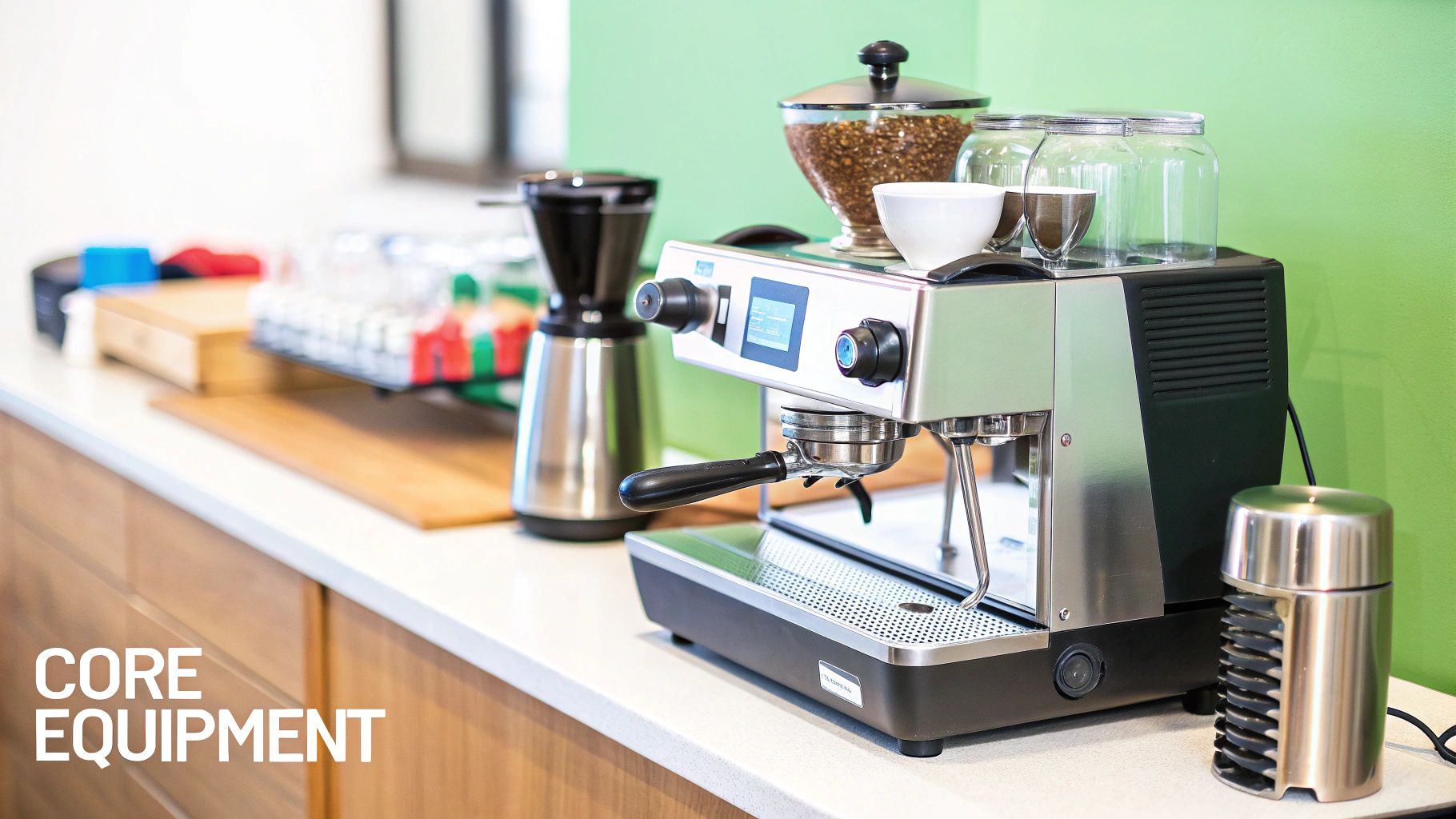
The gentle hum of a great espresso machine is the true heartbeat of any coffee shop. This is where a serious chunk of your startup budget will go, and for good reason. Your equipment has a direct say in the quality of your coffee and how smoothly your service runs. Getting this right from the very beginning is non-negotiable if you want to build a reputation for quality.
Your biggest initial spend will be on the "big three" of coffee making. These are the workhorses of your daily grind (pun intended), and a smart investment here will pay you back for years. Cutting corners on these core items often leads to frustrating breakdowns, inconsistent coffee, and ultimately, unhappy customers.
As you start planning, having a look at an ultimate coffee shop equipment list can really help you map out your budget and make sure you don't forget the smaller, but equally vital, pieces of kit.
The Big Ticket Items
Let's break down the essential, high-cost machinery that will form the foundation of your coffee service. These items make up the bulk of your equipment budget, which can easily range from £8,000 to over £45,000, depending on how ambitious your setup is.
- Espresso Machine: This is your showstopper. A solid two-group commercial machine is the standard for most cafés. For a new one, you're looking at prices starting around £5,000 and climbing past £15,000 for top-of-the-line models.
- Coffee Grinders: Don't just get one. You'll need at least two—one for your main espresso blend and another for filter or decaf. A quality on-demand grinder is crucial for consistency and will set you back £1,000 to £2,500 each.
- Water Filtration System: This is the unsung hero. It protects your expensive espresso machine from limescale damage and ensures your coffee tastes fantastic. A professional system will cost between £300 and £800.
A top-tier espresso machine and grinder aren't just expenses; they're the most important employees you'll ever have. They work all day, every day, and their performance directly impacts every single cup you sell.
New vs. Second-Hand: The Big Debate
Every new business owner faces this dilemma. While the temptation to save a bit of cash is strong, this is a decision that needs careful thought. Buying brand new gives you the manufacturer's warranty, the latest tech, and complete peace of mind.
That said, buying warrantied, refurbished equipment from a reputable supplier can be a really savvy move. You could save 30-50% on things like grinders or fridges. The key is to steer clear of "as-is" private sales on eBay or Facebook Marketplace, where a cheap price tag could be wiped out by the first repair bill. For your espresso machine, buying new or from a trusted reseller with a solid warranty is almost always the right call.
Beyond The Coffee Counter
While coffee is the star of the show, it needs a full supporting cast of equipment to function. These items are just as crucial for your day-to-day operations and add up quickly in your total startup budget.
You'll need to kit out both your customer-facing area and your back-of-house space.
- Refrigeration: Think under-counter fridges for milk, a larger fridge for food, and maybe a freezer. You should budget £2,000 - £5,000 for commercial-grade units.
- Display Cases: A refrigerated or ambient display for cakes, pastries, and sandwiches is an absolute must for driving those impulse buys. These can range from £1,000 to £4,000.
- Commercial Dishwasher: A fast, high-temperature dishwasher is essential for hygiene and efficiency. Expect to pay around £1,500 - £3,000.
- EPOS System: Your Electronic Point of Sale system is the nerve centre for sales, stock control, and reporting. A modern tablet-based system might cost £500 - £1,500 for the hardware, plus any ongoing software subscription fees.
By carefully listing out these costs and getting quotes from a few different suppliers, you can build a comprehensive and realistic equipment budget. And when it comes to your disposables—from eco-friendly cups to napkins—exploring the various options for coffee shops can help you find sustainable products that fit your brand from day one.
Stocking Up with Sustainable Packaging Choices
Your opening inventory is so much more than coffee beans and milk. It’s the very first tangible thing your customers will touch and feel, so you have to get it right. Budgeting for this initial stock, which typically lands somewhere between £2,000 to £10,000, is a balancing act between sourcing quality ingredients and choosing smart, sustainable packaging that tells your story.
This initial outlay gets you everything you need to open your doors with confidence. Of course, this includes your core coffee beans, a full range of milks (don't forget the oat and almond!), syrups, sugars, and all the ingredients for your food menu. But just as crucial are the disposables: the cups, lids, containers, and napkins your customers will carry out into the world.
The Smart Business Case For Eco-Friendly Packaging
Let’s be clear: choosing sustainable packaging isn't a niche trend anymore. For a huge number of UK consumers, it's a core expectation. This is a brilliant opportunity for a new coffee shop to build instant brand loyalty and stand out from the competition. It’s a quiet signal that you care about more than just profit.
So, instead of treating packaging as an afterthought, think of it as a key part of your marketing from day one. When you choose double-wall paper cups from responsibly sourced materials or compostable containers for your cakes, you’re making a statement that resonates deeply with the kind of customers you want to attract. It subtly elevates the value of everything you sell.
Today's customers don't just buy a coffee; they buy into the ethos of the business they support. Eco-friendly packaging isn't an added expense—it's an investment in your brand's reputation and a powerful tool for attracting and retaining the right kind of clientele.
For a deeper dive into the specific benefits and options available, you can explore our detailed guide on eco-friendly packaging solutions. Making these informed choices early on is one of the best ways to build a strong, authentic brand.
Budgeting For Your Key Consumables
When you're mapping out your initial inventory, it helps to break down your packaging needs into the essentials. Every choice has a cost implication, but it also impacts your customer's experience and your shop's environmental footprint.
Here’s a quick rundown of what to consider:
- Coffee Cups: These are your number one brand ambassador. A high-quality, double-wall paper cup feels great to hold, prevents burnt fingers, and means you don't need to buy extra sleeves—which can actually save you money in the long run.
- Food Containers: For everything from sandwiches to salads, look for compostable or easily recyclable options. Kraft paper bowls and boxes are not only sturdy but also have that rustic, premium look that people love.
- Straws and Stirrers: With the UK's ban on single-use plastics, this is non-negotiable. Paper straws offer a great alternative, while simple wooden stirrers are an easy eco-conscious swap.
- Napkins: It’s a small detail, but choosing napkins made from recycled materials adds another layer to your sustainable story.
Managing Costs with Smart Supplier Choices
A common worry for new owners is that going "green" will blow their startup budget. And yes, some eco-friendly products might have a slightly higher unit price, but the financial hit is often cancelled out by the brand value and customer loyalty you build.
The secret is finding the right supplier.
Modern UK suppliers understand the cash flow challenges that new food service businesses face. Many now offer low minimum order quantities (MOQs) for custom-branded packaging, sometimes starting from as little as 1,000 units. This is a complete game-changer.
This flexibility means you don’t have to tie up thousands of pounds in stock that just sits in a back room for months. You can order smaller, more manageable batches, letting you protect your cash flow during those crucial opening months while still looking as polished and professional as an established brand from day one.
Forecasting Your Operational and Staffing Costs
So, you’ve sorted the big one-off payments to get your doors open. The paint is dry, the espresso machine is gleaming, and the aroma of coffee is finally in the air. This is where your financial focus has to pivot from setup to sustainability.
Now, it's all about mastering the ongoing costs that keep your business running day in, day out. Getting a firm handle on these recurring expenses isn't just about bookkeeping; it's the single most important part of your long-term financial plan and what will ultimately decide if you sink or swim in those crucial first months.
Staffing Your Rota and Managing Payroll
Your team will be your greatest asset, but they'll also represent your biggest monthly expense. It's not just their wages; you've got employer National Insurance contributions and pension auto-enrolment to think about, too.
A solid rule of thumb in hospitality is to aim for total payroll costs to be around 30% of your revenue. So, if you're forecasting £15,000 in monthly sales, your entire staff budget—including your own salary if you're taking one—shouldn't really exceed £4,500. Smart rota planning is your best friend here. You need enough hands on deck for the morning rush without paying people to stand around during the quiet afternoon lull.
The Fixed Overheads You Can Count On
Some bills will land on your doormat every month like clockwork. These are your fixed costs—the non-negotiables you have to cover whether you sell one coffee or a thousand.
- Rent and Business Rates: This is often the big one. Your commercial lease payment will be a significant chunk of your budget. Don’t forget to factor in business rates, although it's worth checking if you're eligible for small business rate relief. Depending on your property's rateable value, you could get a 100% discount.
- Utilities: Your espresso machine, grinders, refrigerators, and lights all need power. Your electricity, gas, and water bills will be substantial, so budget accordingly.
- Insurance: This is non-negotiable. You’ll need public liability, employer's liability, and contents insurance to protect your business, your team, and your customers from day one.
- Waste Collection: As a business, you're legally required to have a commercial waste contract. This comes with a monthly fee, but you can use it to your advantage. Choosing a provider that handles mixed recycling properly supports your green credentials.
Treat your monthly budget as a living, breathing document, not something you create once and file away. A quick weekly review will help you spot spending trends, get a grip on variable costs like stock, and react fast if any of your fixed costs suddenly jump.
Variable Costs and Stock Replenishment
Unlike your rent, variable costs go up and down with how busy you are. The most obvious one is your stock. This covers everything from your weekly coffee bean and milk orders to fresh pastries and all your packaging.
This is where you have a big decision to make about suppliers, especially for your disposables. Yes, the unit price for a compostable cup or a plant-based lid might be a few pence more than a plastic alternative. But think bigger. Sustainable packaging isn't just an expense; it's an investment in your brand. It attracts the growing number of customers who care about this stuff and shows you're a business that aligns with their values.
A Look at Your Monthly Bills
Here’s a realistic breakdown of the typical recurring costs you’ll need to account for in your monthly forecast. This should give you a solid starting point for building your own budget.
Typical Monthly Operating Expenses For a Small UK Café
An estimated breakdown of recurring monthly costs to help owners forecast their operational budget and manage cash flow effectively.
| Operational Cost | Estimated Monthly Cost Range | Notes & Considerations |
|---|---|---|
| Staff Wages & NI | £3,000 - £6,000+ | Aim for ~30% of revenue. Varies with staff numbers and hours. |
| Rent & Business Rates | £1,000 - £4,000+ | Highly location-dependent. Check for small business rate relief. |
| Stock & Packaging | £2,500 - £5,000+ | Directly tied to sales volume. Sustainable choices are a brand asset. |
| Utilities | £400 - £800 | Includes electricity, gas, and water. High-usage equipment is a key driver. |
| Marketing & Advertising | £150 - £500 | Can include social media ads, local flyers, or loyalty programmes. |
| Software Subscriptions | £50 - £200 | Includes your EPOS system, accounting software like Xero, and scheduling tools. |
| Insurance | £40 - £100 | Essential cover for public liability and employer's liability. |
Remember that these are estimates, and your own costs will depend on your location, size, and business model.
By meticulously planning for these ongoing operational and staffing costs, you're not just crunching numbers. You're creating a financial roadmap that will guide every decision you make, steering your new coffee shop towards real, long-term success.
Your Coffee Shop Startup Cost Questions, Answered
When you're trying to figure out the finances for a new coffee shop, you’re bound to have a lot of questions. Getting straight answers is the only way to build a business plan that actually works. Let's dig into some of the most common questions from people just starting out in the UK food service industry.
How Much Working Capital Do I Really Need Before I Open?
This is a big one. Get this wrong, and you could be in trouble before you’ve even had a chance to succeed. The general rule of thumb, backed by both financial experts and experienced hospitality owners, is to have at least three to six months’ worth of total operating costs tucked away as working capital.
Think of this as your business’s safety net. It’s the cash that keeps the lights on and pays the bills—rent, wages, utilities, restocking beans—while you're still building up a regular flow of customers.
Without this buffer, a slow first month or a sudden equipment breakdown could put you under immense pressure. This fund gives you the breathing room to find your rhythm, build a loyal following, and start turning a profit without panicking.
Can I Save Money With Second-Hand Equipment?
You absolutely can, and it’s a smart move for many new café owners. Buying used can dramatically slash your initial outlay, especially on big-ticket items like commercial fridges, display cases, and even grinders.
But you have to be careful. It’s a calculated risk. My advice? Only buy from reputable catering equipment suppliers who service what they sell and offer some kind of warranty. You might save a few thousand pounds upfront, but be very cautious of "as-is" deals you find online from private sellers. A cheap bargain can quickly become a money pit if it breaks down and needs expensive repairs.
When it comes to your espresso machine, don't cut corners. Reliability is everything. Every minute it's down, you're losing money. Investing in a new or professionally refurbished machine with a solid warranty is almost always the right call in the long run.
What Hidden Costs Should I Be Planning For?
No matter how meticulous your spreadsheet is, there are always a few costs that catch people by surprise. Being aware of them from the start can save you a lot of headaches.
Here are a few that often get missed:
* Professional Fees: You’ll need a solicitor to go over your commercial lease—this isn't optional and can cost a fair bit. An accountant might also be needed to get your bookkeeping set up correctly.
* Licences and Permits: Don't forget to budget for things like your food hygiene registration, a music licence if you want to play music, and potentially an alcohol licence down the line.
* Initial Staff Training: You need to pay your new team while you train them before your doors open. Factor in that cost for time and any materials.
* A Contingency Fund: This is non-negotiable. Seriously. Aim to set aside 10-15% of your total startup budget for the unexpected. Things like construction delays, equipment failures, or fit-out costs coming in higher than quoted happen all the time.
Will Choosing Sustainable Packaging Blow My Budget?
It’s a common worry—that going green will end up costing you a fortune. While some eco-friendly packaging might be marginally more expensive per unit than old-school plastic, looking at it that way is missing the bigger picture.
The truth is, the benefits often far outweigh that small price difference. These days, suppliers offer really competitive pricing on things like compostable cups and plant-based straws. More importantly, making this choice builds a powerful brand identity that resonates with the growing number of eco-conscious customers here in the UK.
The trick is to find a supplier who understands the realities of a new hospitality business. Partnering with someone who offers low minimum order quantities means you can control your stock costs while making sure your values are clear from the very first coffee you sell. For takeaway items, using eco-friendly containers, napkins, and cutlery isn't just an operational choice; it's a visible marketing statement.
Ready to make a statement with packaging that reflects your brand’s quality and commitment to sustainability? At Afida, we provide premium, eco-friendly disposables with low minimum order quantities and fast UK delivery. Explore our range of custom-branded cups, containers, and straws and let us help you build a brand your customers will love.