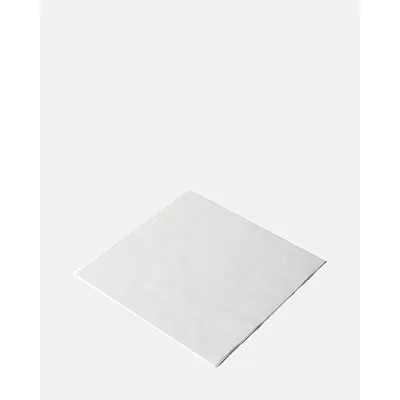
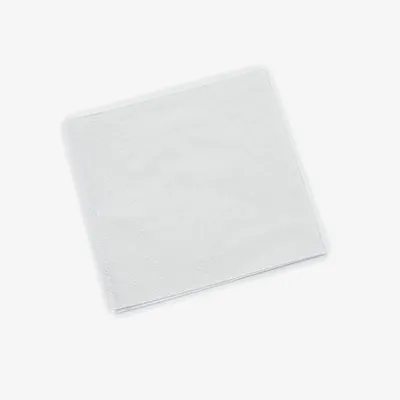
Paper Napkins for Restaurants and Cafés
Choose by service style rather than by price alone:
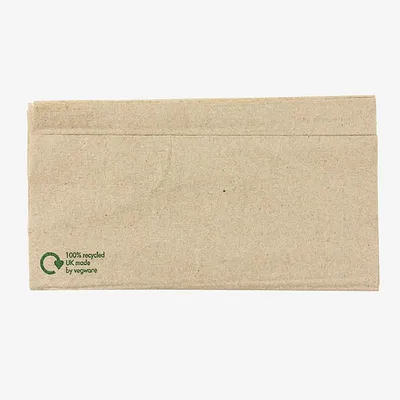
- Cafés and coffee shops: 1-ply dispenser napkins are the cheapest per guest and cut waste, because guests take one at a time. Our unbleached dispenser napkins come with two free dispensers.
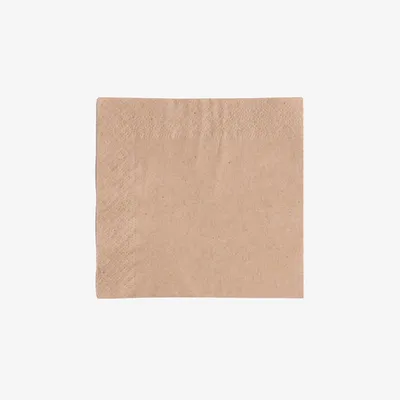
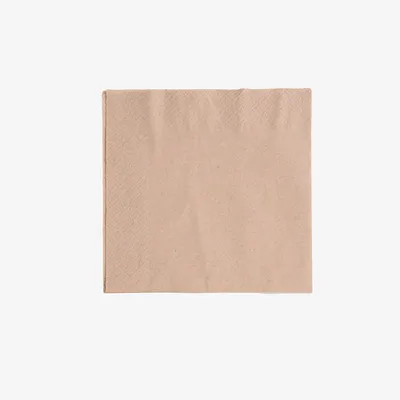
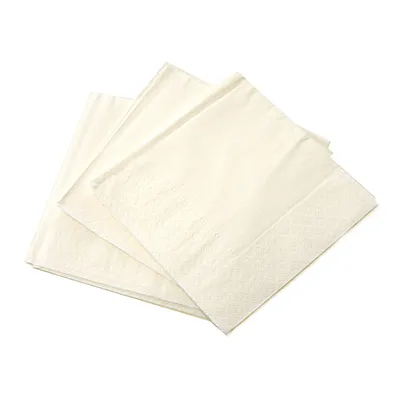
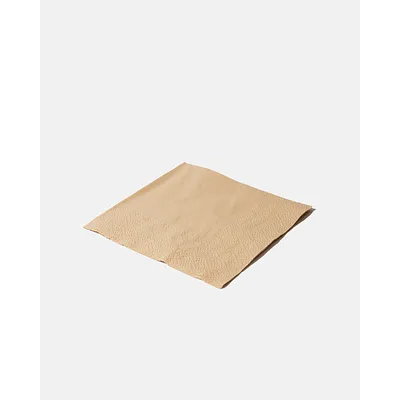
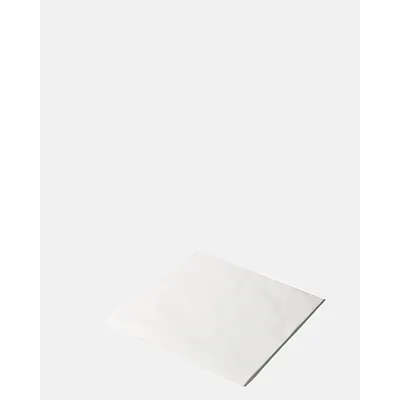
- Casual dining and takeaway: 2-ply 33 x 33cm napkins, white or unbleached, cover most table and counter service. Unbleached kraft signals eco-friendly without costing more.
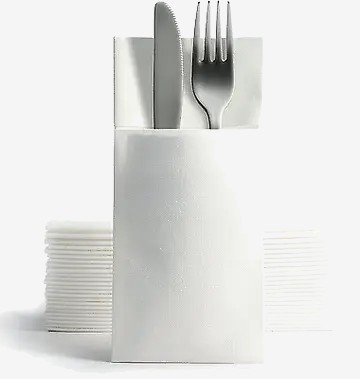
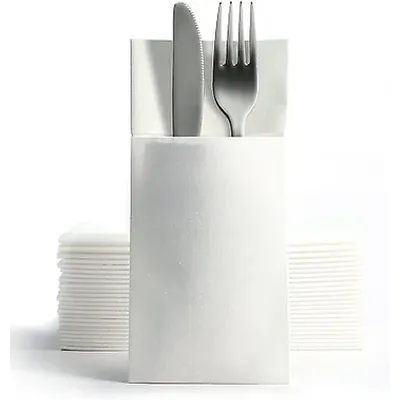
- Table-service restaurants: 8-fold 40 x 40cm airlaid dinner napkins feel close to linen with no laundry bill. Pocket napkins hold cutlery for pre-set tables.
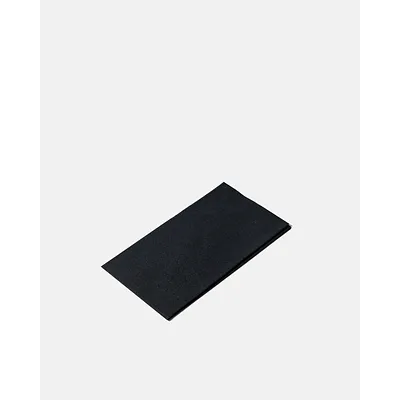
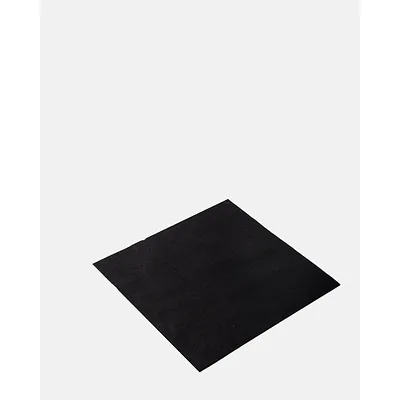
- Bars and events: cocktail napkins in white, black or bamboo pulp for drinks and canapés.
As a rule of thumb, allow one to two napkins per cover for table service and two to three per order for takeaway and counter service, then size your cases from weekly covers. Free samples are available if you want to compare ply and airlaid before committing to a case.
Napkins are a small line item that adds up fast when you are buying in bulk and handing them out with every order. Get the spec wrong and you are either wasting money on quality your customers do not notice, or frustrating them with thin sheets that disintegrate on contact with a burger. For most food service operations, napkins are a background detail -- but they are one that regular customers absolutely notice.
Key Factors to Consider
Material and Ply
Napkins come in 1-ply, 2-ply, and occasionally 3-ply. Single-ply is the cheapest and the thinnest -- fine for light use like pastry counters or coffee shops, but inadequate for greasy food. Two-ply is the standard for most takeaways and casual dining. Three-ply is typically reserved for table service or upscale settings. Recycled and virgin pulp both work; recycled is cheaper and increasingly the default. Look for FSC certification if sustainability is part of your brand positioning.
Size
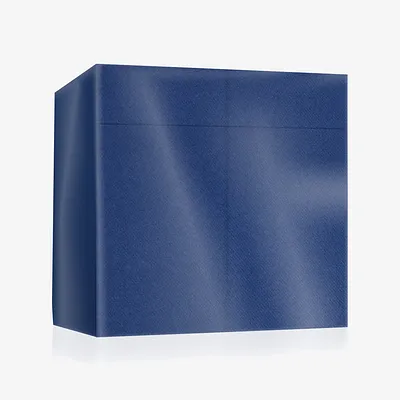
The most common formats are cocktail/quarter-fold (typically 240mm x 240mm folded, around 330mm x 330mm open), and lunch/dinner napkins (up to 400mm x 400mm open). Cocktail napkins suit coffee shops and light bites. Anything saucy or greasy needs the larger format. Dispenser napkins are a different format again, designed to fit specific table dispensers, and are usually 165mm x 165mm or similar -- confirm compatibility with your dispenser model before ordering.
Embossing and Appearance
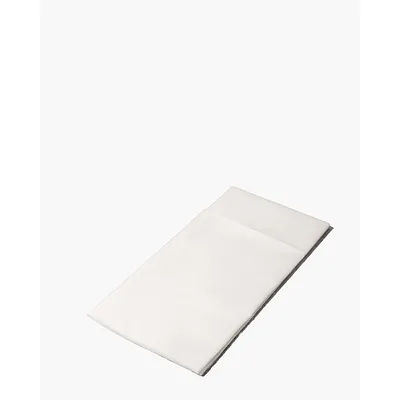
Plain white is the workhorse and the cheapest option. Embossed white adds a texture that looks marginally more premium without adding much cost. Coloured napkins (black, kraft brown, burgundy) work well for branding and themed settings but cost 15 to 30% more. If you are doing events or weddings, coloured napkins are often worth the premium for presentation purposes.
Pack Sizes and Usage Rate
Standard catering napkins come in packs of 100, with cases typically containing 4,000 to 10,000 sheets depending on size and ply. A busy takeaway or cafe can go through 500 to 2,000 napkins per day depending on the menu. Calculate your weekly usage before ordering and aim to hold three to four weeks of stock. Buying by the case rather than individual packs cuts the unit cost by 20 to 40%.
Sustainability
Napkins made from recycled paper are widely available and typically cheaper than virgin pulp equivalents. Some operators are switching to paper hand towels for durability, but these come at a higher cost. Compostable napkins made from unbleached or chlorine-free paper are an option for zero-waste operations, though supply is patchier and pricing is higher.
Cost and Value
Expect to pay roughly £3 to £8 per 1,000 sheets for standard 2-ply white napkins bought in catering bulk. Premium embossed or coloured napkins run £8 to £15 per 1,000. The difference between a cheap and decent 2-ply napkin is real -- test a pack on your menu's messiest dish before ordering a full case.
Pro Tips
- Do not assume all 2-ply napkins are equivalent. Wet strength (the ability to hold together when damp) varies enormously between suppliers. Always wet-test a sample with your actual food before committing.
- For dispensers, measure the slot size and confirm that the fold type (interfold, quarter-fold, z-fold) matches. A napkin that does not dispense cleanly will irritate staff and slow service.
- Black napkins for dark-themed or upscale settings work well but leave lint. Check whether this is an issue before rolling them out across a full event.
- Order a separate stock of strong kitchen roll or multi-fold hand towels for prep areas -- catering napkins are not designed for kitchen use and cost more per wipe.
Summary
Napkins sit at the intersection of hygiene, presentation, and operational cost. For most food service businesses, 2-ply white in the right size is the sensible default. Upgrade to embossed or coloured when presentation matters, and buy by the case to keep unit costs down. Test absorbency and wet strength before large orders -- spec sheets do not tell the whole story.
 Napkins