Vegware tableware is the brand's plant-based, compostable range for dine-in service, events, and casual eating: plates, bowls, cutlery, napkins, and platter boxes. Vegware plates and bowls are made from bagasse (sugarcane fibre) rather than the kraft-and-PLA paperboard used elsewhere in the range, and cutlery uses paper or birchwood rather than rigid plastic. For caterers, festivals, canteens, and casual restaurants who want a coherent compostable place setting from a single brand, the tableware range gives you everything that touches a plate covered under one EN 13432 certification. This guide covers what's in the range and how to match each piece to your service style.
Key Factors to Consider
Materials Across the Range
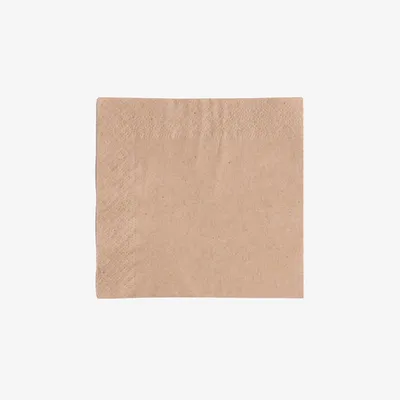
Tableware uses more material variety than the rest of the Vegware catalogue. Plates and bowls are bagasse, the dry pulp left after sugarcane is pressed for juice. Bagasse handles hot and cold food, holds gravy and sauces, microwaves safely up to about three minutes, and is rigid enough to eat from on your lap. Cutlery is paper-based for everyday use or birchwood for cheaper single-use applications and for ice cream service. Napkins are paper in 1-ply or 2-ply, in unbleached kraft or bleached white, in cocktail (24cm), dinner (33cm), and large dinner (40cm) sizes. Knowing which material sits behind each piece helps you match the right item to the right course.
Plates and Bowls
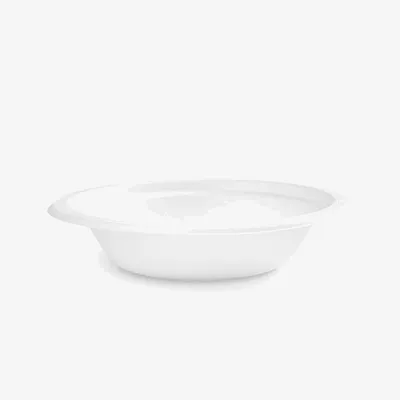
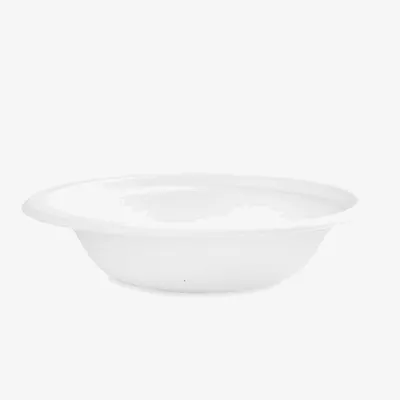
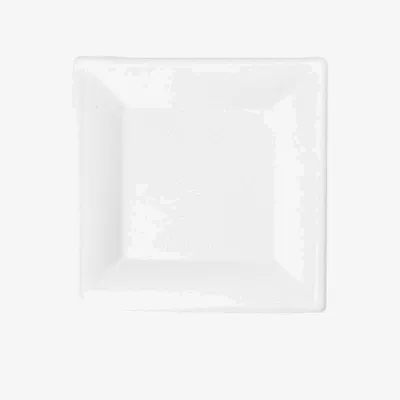
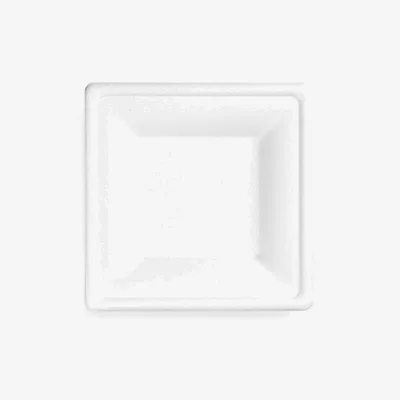
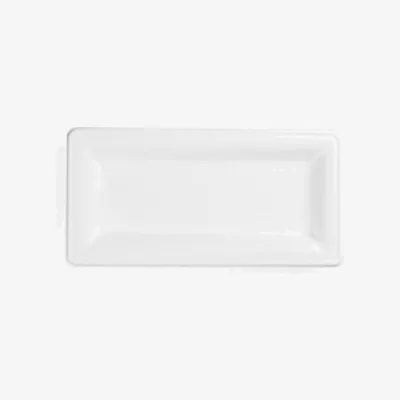
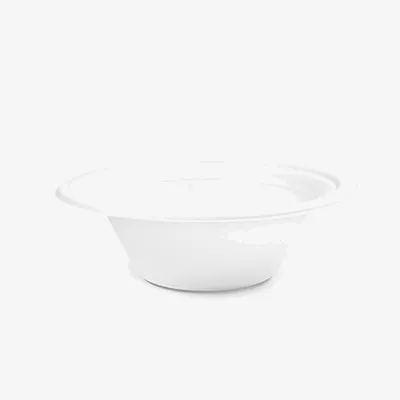
Vegware bagasse plates come in round (6in, 9in, 10in), square, rectangular, and oval (10in) formats. The round 6in is a side plate or canape plate; the 9in and 10in are dinner plates for plated mains. Bagasse handles hot or cold food and light gravies, and holds up under cutlery without cracking. The "source-reduced" plates (7in and a flat round) are thinner and meant for canapes and lighter loads where you'd otherwise use a paper plate. Bowls come in two formats: a tall bowl for soup or chips, and a wide bowl in 12oz and 14oz sizes for pasta, salads, and grain dishes. Square plates are particularly useful for street-food-style service where rectangular trays of food sit alongside a separate dipping cup.
Cutlery
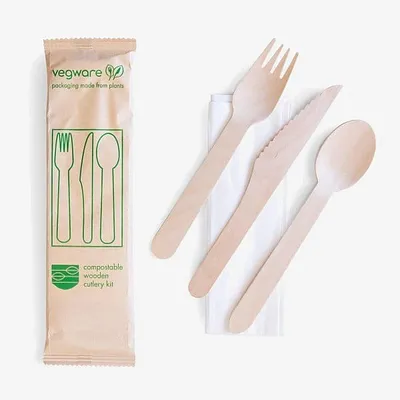
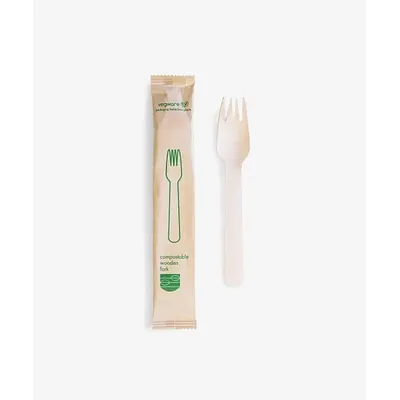
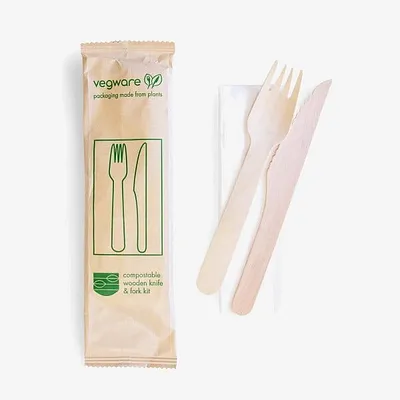
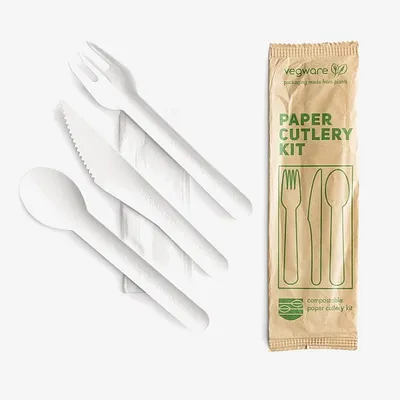
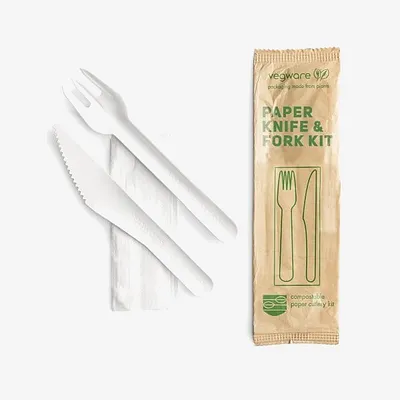
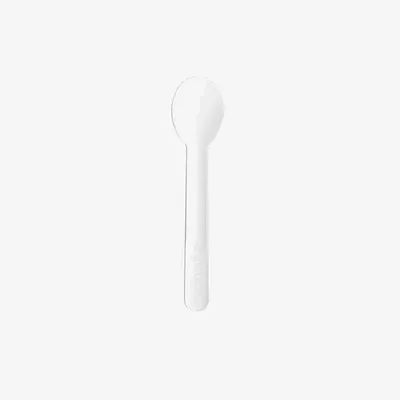
Cutlery comes in two material families. Paper cutlery is rigid enough to eat with, fully compostable in industrial facilities, and the cheapest option in the range — well suited to high-volume events where each piece is used once and binned. Wood (birchwood) cutlery is the more durable option, fully biodegradable in any environment, and feels closer to the experience of eating with rigid plastic. Vegware sells loose pieces (forks, knives, spoons, teaspoons), wrapped wood forks for hygiene-sensitive events, and pre-built kits — paper and wood knife-and-fork kits and full cutlery kits with napkin and condiment. For seated catering, kits halve your plating time. For self-service and counter pickup, loose cutlery in caddies works better.
Napkins
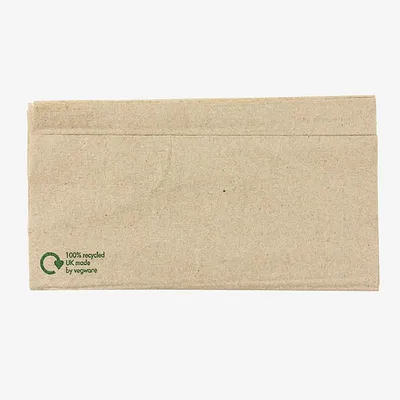
The napkin range covers cocktail-size 24cm napkins through dinner-size 33cm and 40cm. 1-ply suits drinks service and canapes where a small wipe is enough; 2-ply is the safe default for any food that involves a knife, fork, or hands. Unbleached kraft napkins suit operations with a sustainability-led brand identity, since the lack of bleaching is visible to the customer. Dispenser-fold napkins fit standard counter-top dispensers and reduce per-piece handling at busy counters; full-size napkins suit table service. Match napkin size to the food: 24cm cocktail napkins work for canape trays, 33cm for everyday plated meals, 40cm for messier dishes like burgers, ribs, and shareable boards.
Platter Boxes and Service Pieces
Platter boxes are the often-overlooked part of the tableware range and the highest-value items for caterers serving sharing food. Vegware sells a regular platter box, a large platter box with insert, and three modular insert sizes — eighth, quarter, and half — that segment the tray into compartments for sandwiches, canapes, salads, or cheese boards. The tray is bagasse, the inserts slot in cleanly, and the whole assembly is compostable. For events caterers, a single platter box replaces a stack of disposable plates plus a tray, which speeds up setup and breakdown noticeably. Buy the boxes and inserts as separate SKUs so you can match the right insert configuration to each event.
Compostability for Dine-In
Compostable tableware works differently from compostable takeaway packaging. In takeaway, you hand the cup to the customer and lose control of the disposal route. In dine-in or events, the operator collects every plate, bowl, and napkin at the end of service and routes them as a single waste stream, typically by lining the collection bin with a compostable bin liner sized to the venue's waste flow. That makes EN 13432 certification practically useful in a way it often isn't for takeaway: you can actually feed the entire post-service tableware load into a commercial composter or food-waste collection. For caterers and venues, this is the strongest case in the Vegware range for genuine end-to-end sustainability, not just packaging that's compostable in principle.
Cost Per Cover
Tableware economics differ from cups. A drink uses one cup; a meal uses a plate, a bowl, cutlery, a napkin, and sometimes a small dipping bowl too. Ballpark Vegware costs per cover land at 25p to 50p depending on the breadth of the place setting and material choices: a plain bagasse plate plus paper cutlery and a 1-ply napkin lands at the low end, a larger bagasse plate with wood cutlery and a 2-ply napkin at the high end. Compared to renting china and laundering linen, the disposable cost is competitive when you factor in dishwashing labour, breakage, and laundry cycles. Compared to the cheapest non-branded plastic disposables, Vegware tableware is a clear premium.
Pro Tips
- For events, order plates in two sizes per service style: a 6in side plate for canapes and starters, a 9in or 10in plate for mains. One size always falls short or oversells the food.
- Stock paper cutlery for cold food or canapes and wood cutlery where the eating experience matters more, like a sit-down hot-food service. Mixing the two on the same event is fine and keeps total cost down.
- Test napkin ply against the food you serve. 1-ply works for drinks and canapes; anything saucy, oily, or hot needs 2-ply or it falls apart in service.
- For platter boxes, buy the inserts and the trays separately as you need them. The boxes are the recurring cost; inserts last across multiple uses if handled carefully and stored flat.
- Confirm your venue or waste contractor will accept the post-service tableware as a single compostable stream before quoting compostable place settings to clients. The technical certification holds; the practical disposal route is what closes the loop.
Summary
Vegware tableware gives caterers and venues a coherent, single-brand, compostable place setting: bagasse plates and bowls in round, square, rectangular, and oval formats, paper and wood cutlery in loose pieces and kits, paper napkins from 24cm cocktail to 40cm large dinner, and platter boxes with modular eighth, quarter, and half inserts for sharing service. The strongest case for the range is dine-in and events, where the operator controls disposal end-to-end and the EN 13432 certification has somewhere to land. The trade-offs are a per-cover premium over the cheapest plastic disposables and the ongoing cost of restocking pieces that china would amortise across thousands of uses. For operations committed to compostable service, Vegware tableware removes the need to source plates, cutlery, and napkins from three different suppliers under three different sustainability stories. The tableware range sits within the wider Vegware compostable packaging range, which also covers cups, hot food containers, bags, and back-of-house supplies under the same EN 13432 certification.