

Cart
Your cart is empty
Continue Shopping Gloves & Cleaning
Browse 4+ gloves & cleaning
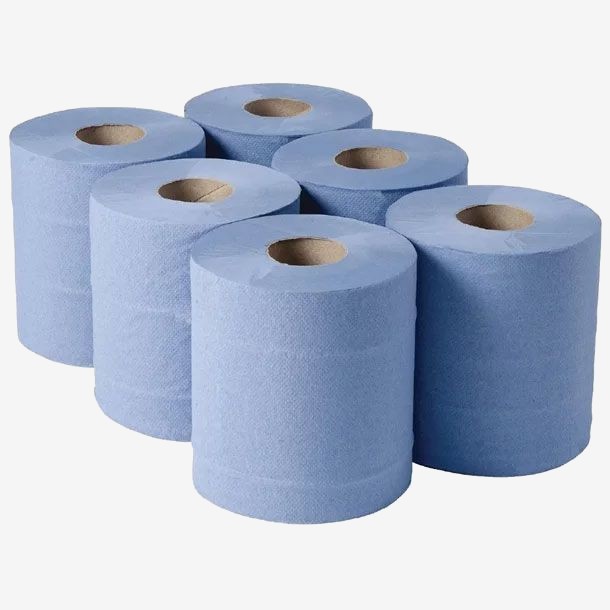
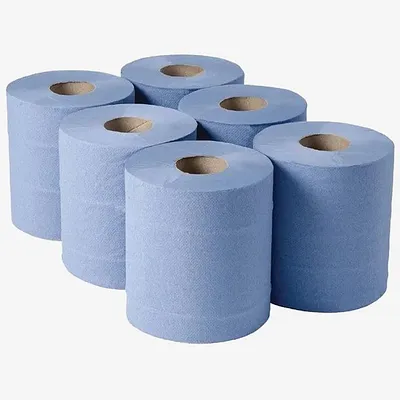
£2.81/unit · pack of 6
Quick Add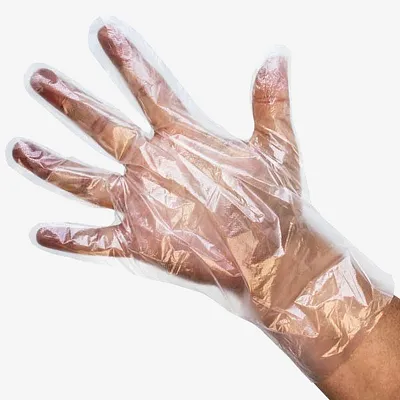
3.6p/unit · pack of 1,000
Quick Add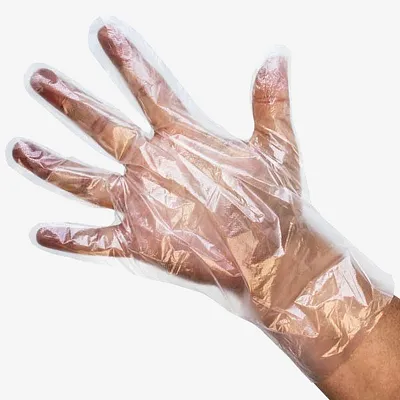
3.6p/unit · pack of 1,000
Quick Add
From £5.45/unit · min 6
Quick AddGloves and cleaning supplies are non-negotiable in any food service environment. They are part of your food safety management system, required under Food Safety Management procedures, and a core part of how your kitchen runs. Buying the wrong gloves -- the wrong size, wrong material, or inadequate quality -- creates problems ranging from reduced dexterity to serious allergic reactions. Buying the wrong cleaning products means surfaces that are not actually clean, or products that are not food-safe at their dilution rates. This category rewards careful specification more than most.
The three main materials for disposable food service gloves are:
Gloves that do not fit properly are a safety hazard. Too large and they reduce grip and dexterity; too small and they restrict movement and are more likely to tear. Most suppliers offer sizes XS, S, M, L, and XL. For a kitchen of mixed staff, having at least S, M, and L in stock is sensible. Size availability varies -- confirm your most-needed sizes are in stock before switching supplier.
All disposable gloves used for food contact must comply with EU Regulation 10/2011 on plastic materials in contact with food (retained in UK law post-Brexit). Reputable suppliers will confirm this. Gloves marked with the fork-and-knife symbol are confirmed food-contact safe. Avoid buying gloves from non-food supply channels without confirming compliance documentation.
Food service gloves are sold in boxes of 100 (50 pairs). A busy kitchen changing gloves correctly -- between tasks, after handling allergens, after touching surfaces -- can use 20 to 50 or more gloves per staff member per shift. Calculate your weekly consumption and hold at least two to three weeks of stock. Running out of gloves during service is a food safety failure.
Cleaning products for food service fall into several categories:
All cleaning products used in food service should be COSHH-assessed, with data sheets available to staff. Food contact surface sanitisers should meet BS EN 1276 or equivalent bactericidal efficacy standard.
Beyond chemicals, cleaning supplies include:
Nitrile gloves in a bulk pack of 100 typically run £6 to £15 depending on thickness and size. Buying by the case (ten boxes, 1,000 gloves) drops the unit cost noticeably. Cleaning chemicals at concentrated dilution rates are significantly cheaper per use than ready-to-use products -- confirm dilution rates when comparing prices.
Gloves and cleaning supplies are safety-critical purchases where cutting corners on quality or running out of stock creates real food safety risks. Specify nitrile for gloves, confirm food-contact compliance, buy in adequate volume to prevent stockouts, and ensure cleaning products are correctly specified as detergents or sanitisers for each application. A well-managed cleaning supply system is a foundation of any food safety regime, not an afterthought.
Complete your order with these complementary products.
Your cart is empty
Continue Shopping