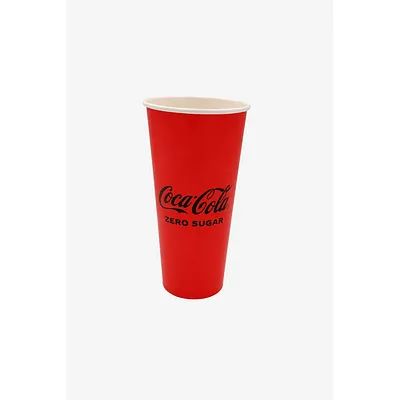
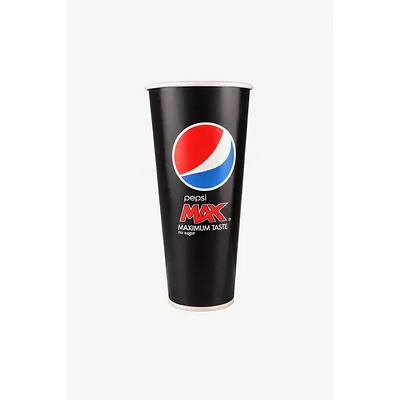
Cold cups cover everything from a fresh orange juice at a breakfast counter to a large iced latte or a branded smoothie. They need to handle condensation without going soggy, look good on the counter or in a customer's hand, and in many cases carry a printed design that represents your brand. Buying the wrong cup means leaks, poor presentation, or paying for features you do not need.
Key Factors to Consider
Material and Construction
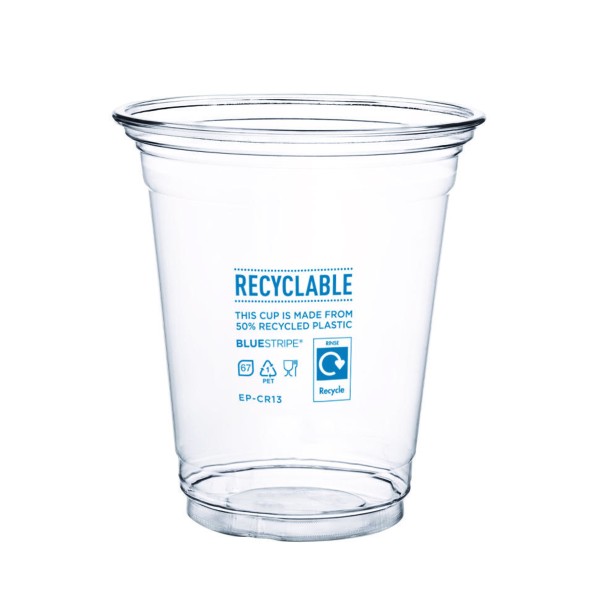
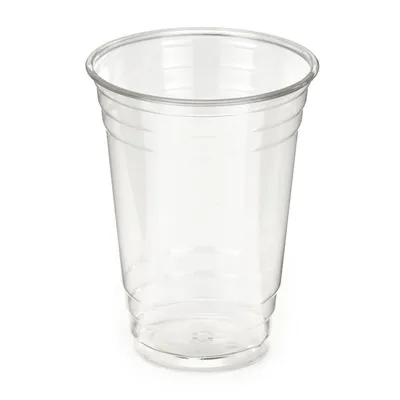
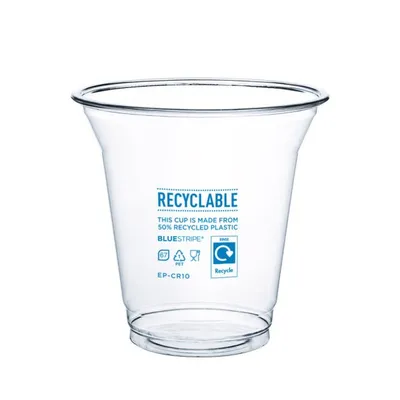
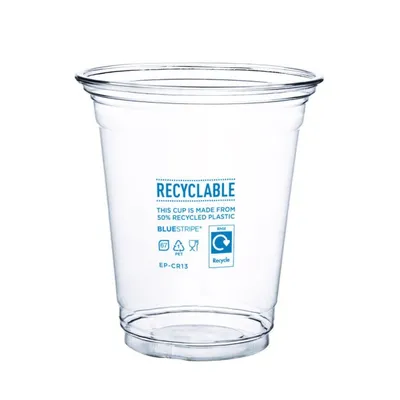
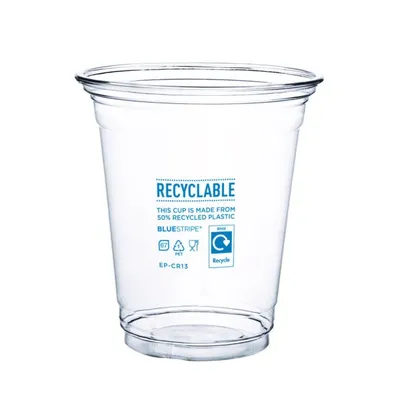
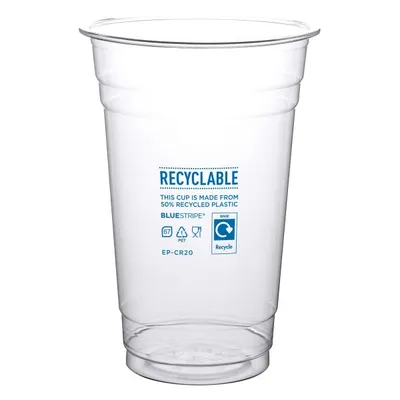
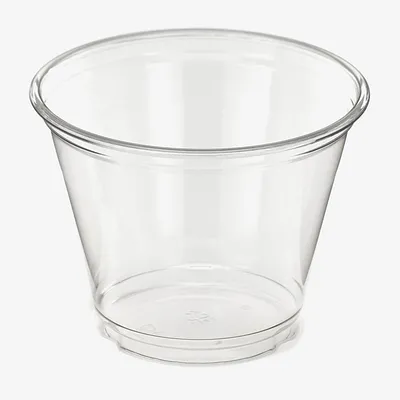
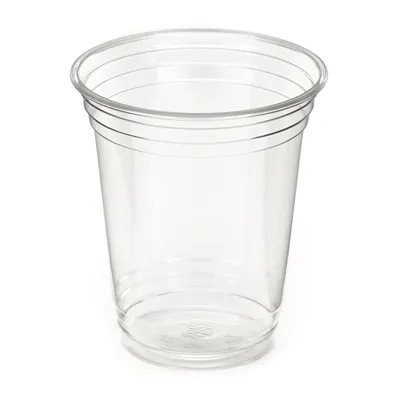
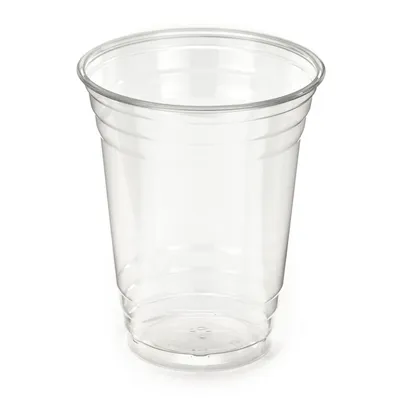
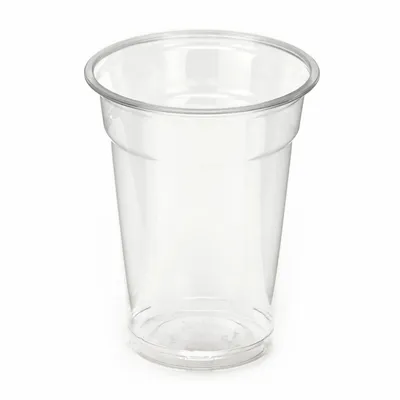
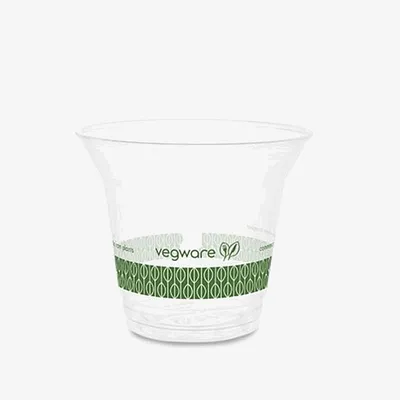
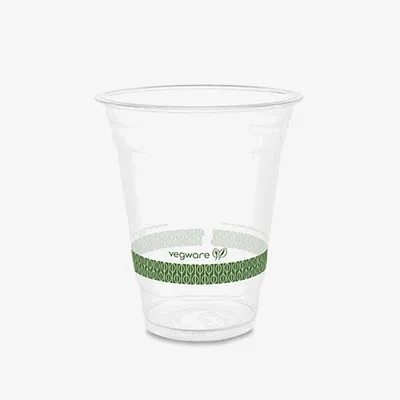
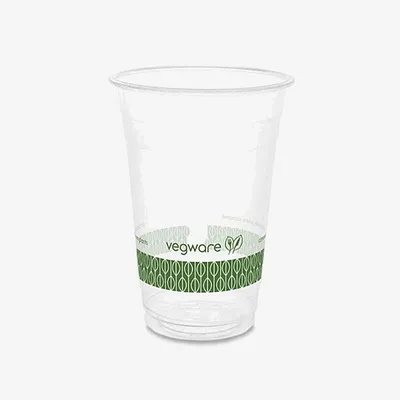
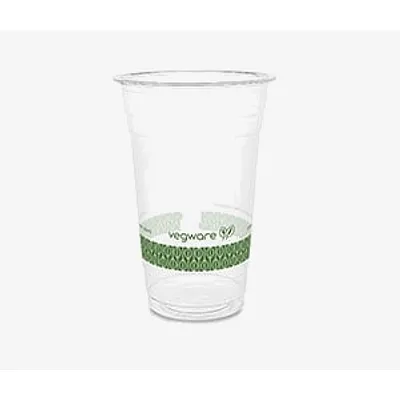
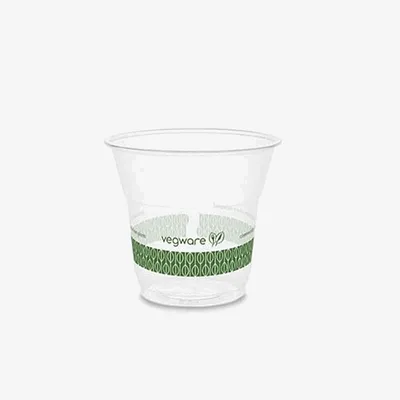
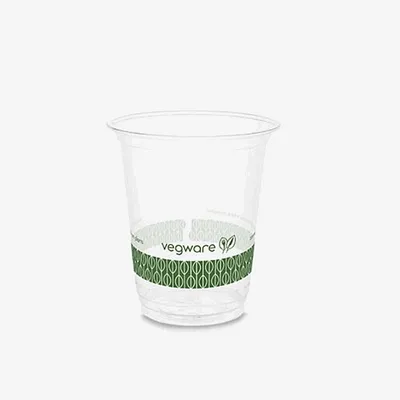
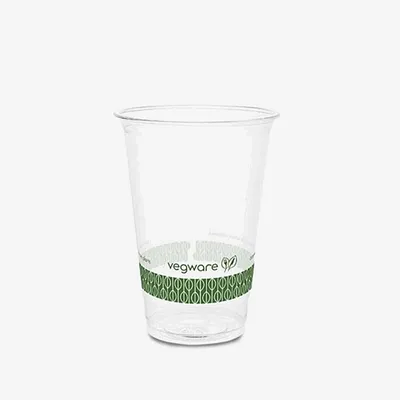
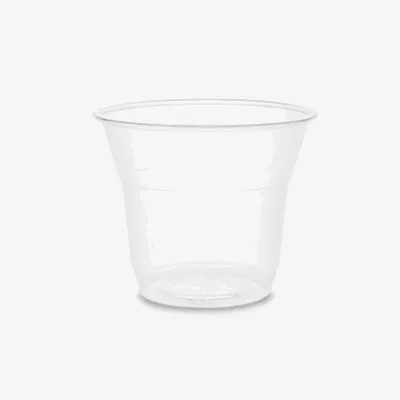
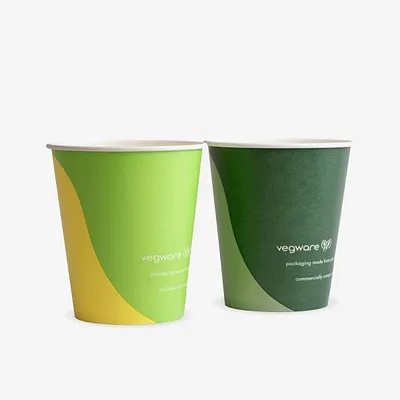
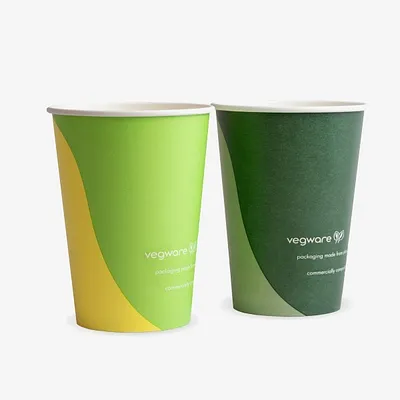
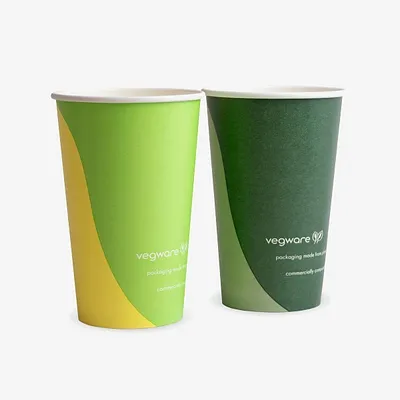
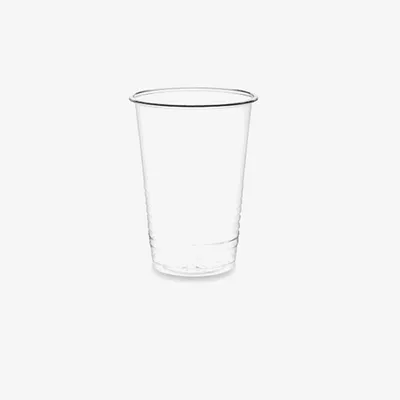
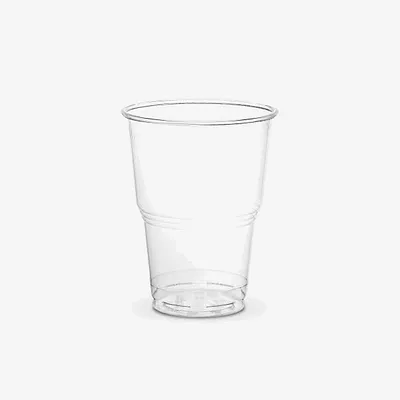
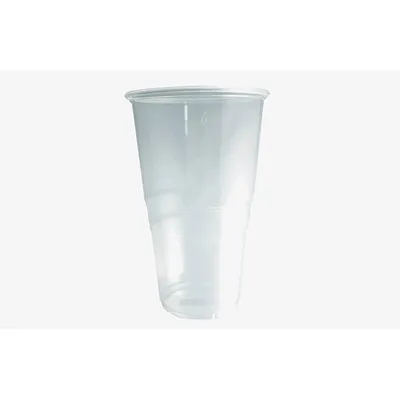
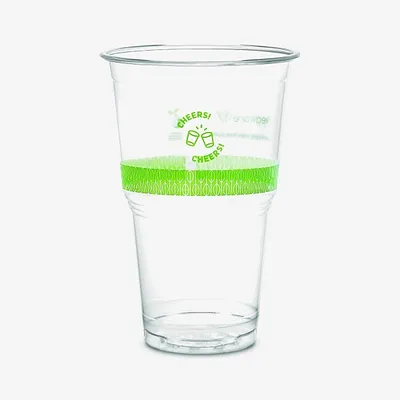
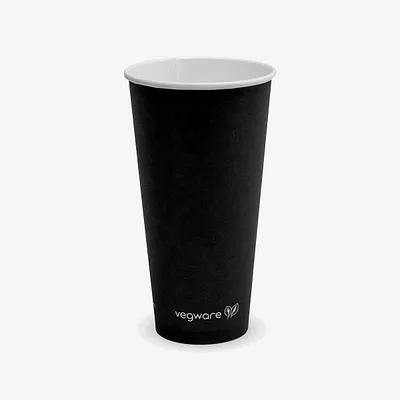
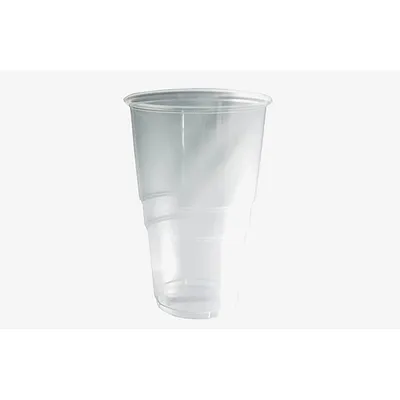
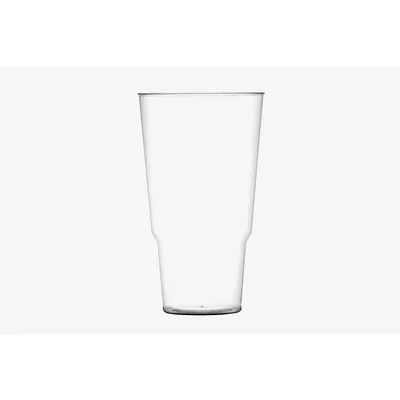
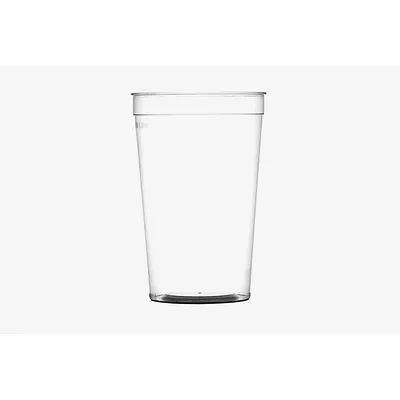
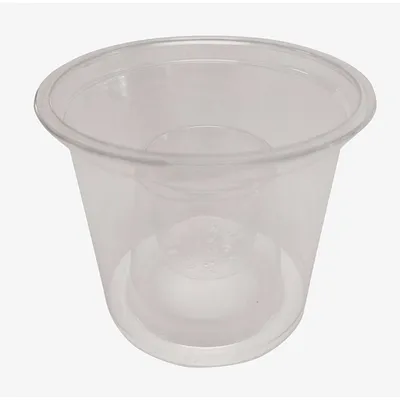
The main options are PET (polyethylene terephthalate), rPET (recycled PET), PP (polypropylene), and compostable alternatives (typically PLA or paper with a PLA lining). PET is clear, rigid, and the standard choice for most cold drinks -- it handles condensation well and looks clean. rPET is the same product made from recycled material and is increasingly available at similar price points. PP is more flexible and slightly cloudy, used more often for smoothie cups and thicker drinks. PLA cups look similar to PET but are compostable in industrial facilities -- useful if your operation has a composting stream, but they cloud and distort if used with hot drinks by mistake.
Size and Capacity
Common sizes for cold cups in UK food service:
- 8oz (around 230ml): small juices, children's drinks
- 12oz (around 350ml): standard soft drink, small smoothie
- 16oz (around 470ml): large soft drink, standard iced coffee
- 20oz to 24oz (590ml to 710ml): large smoothies, milkshakes, bubble tea
Note that cup sizing conventions vary between suppliers. Always confirm the actual filled capacity (to the brim vs. practical fill line) when comparing options. A 16oz cup that only comfortably holds 400ml to the recommended fill line can cause customer complaints about portion size.
Lid Compatibility
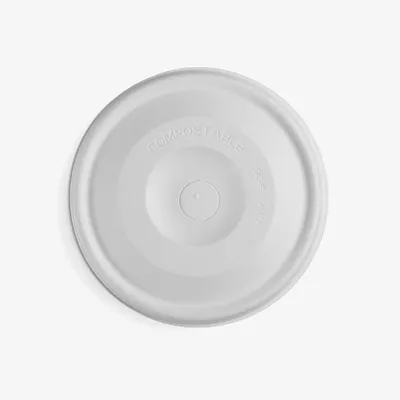
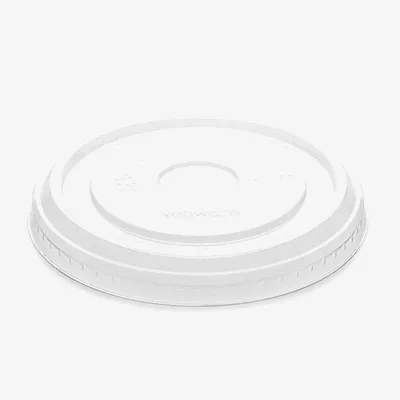
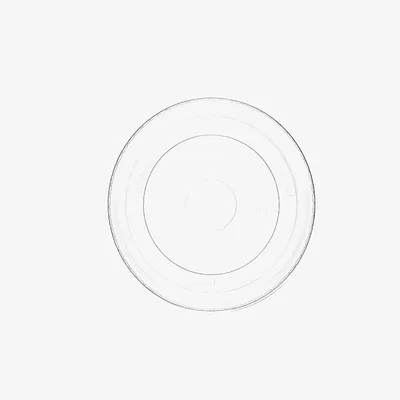
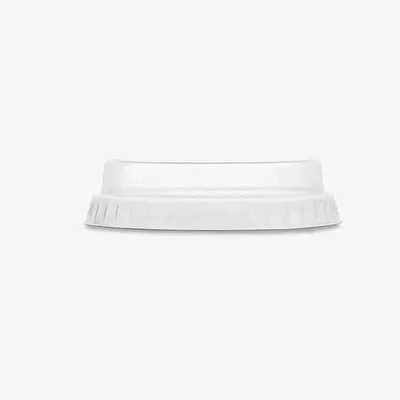
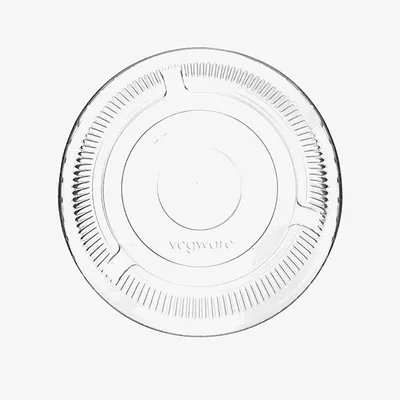
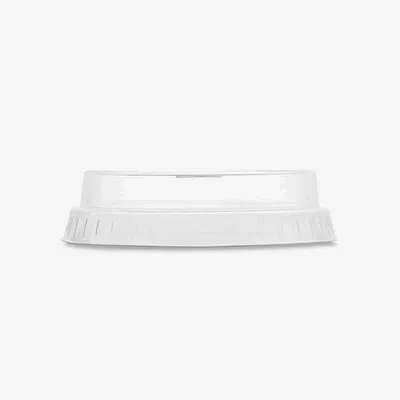
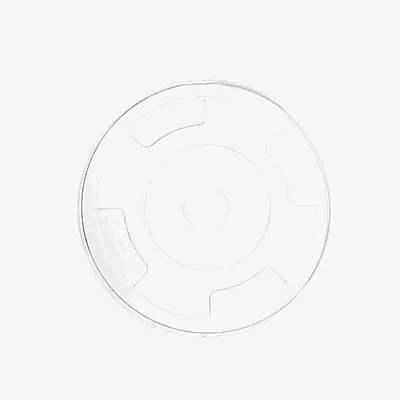
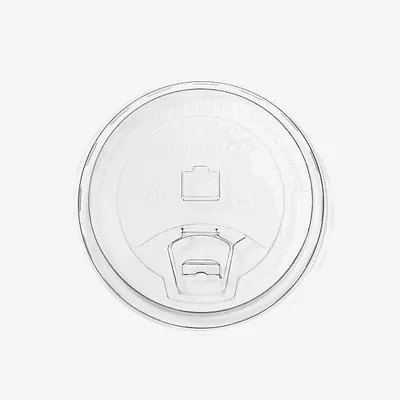
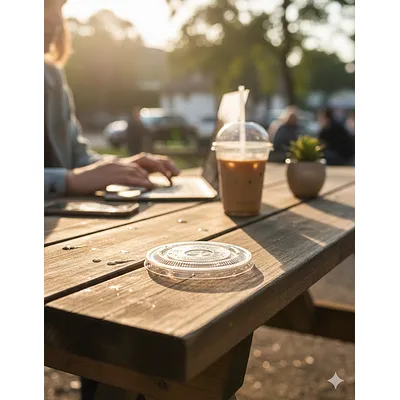
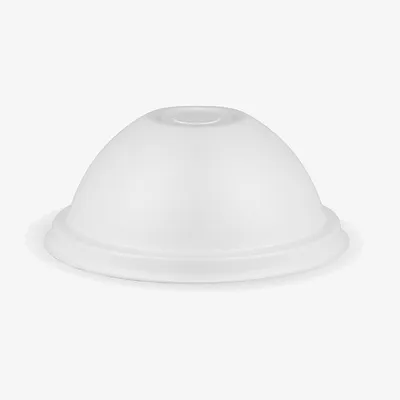
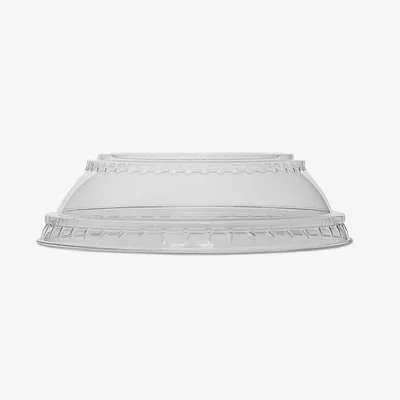
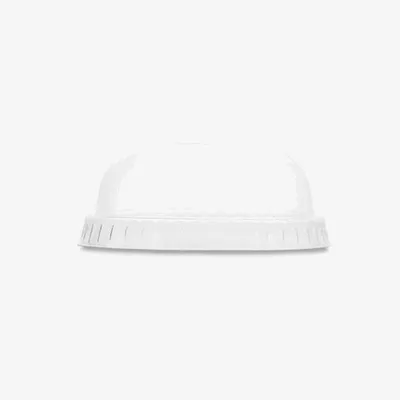
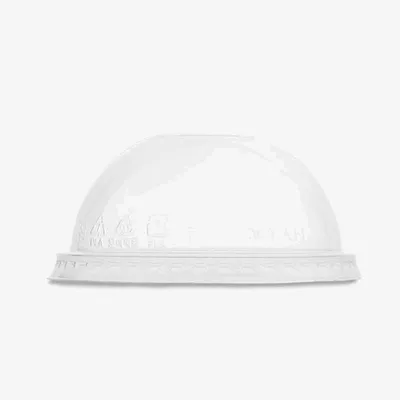
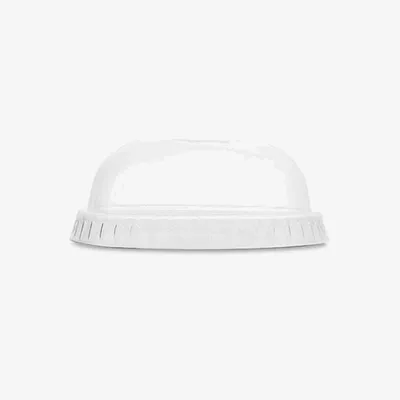
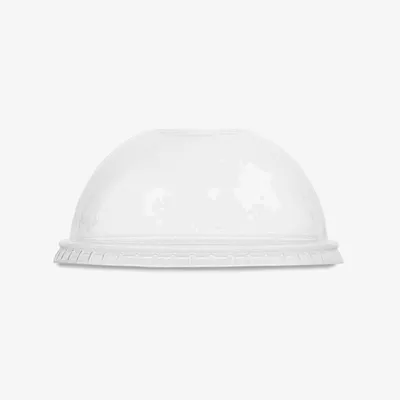
Not all lids fit all cups. Confirm that the lid you want is compatible with the cup diameter before ordering. Common dome lid sizes in UK supply are 95mm, 98mm, and 90mm rims. Dome lids are standard for smoothies and blended drinks; flat sipper lids suit juice and soft drinks. For bubble tea, make sure the cup is designed for sealing film if that is your service format. Buying mismatched cups and lids from different suppliers is a common and costly mistake.
Branding and Clarity
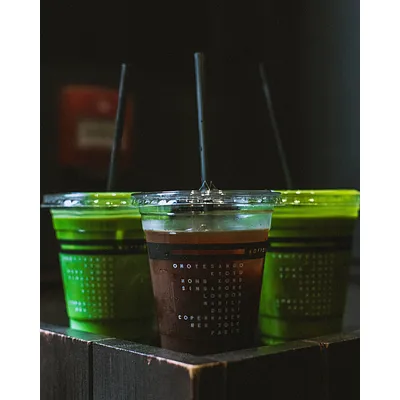
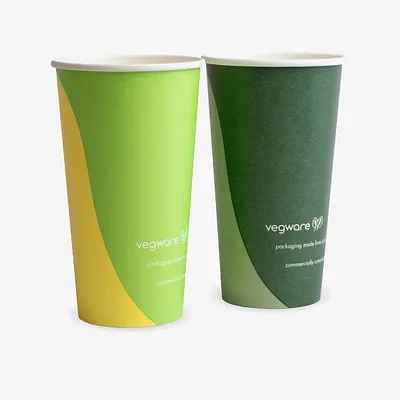
For grab-and-go or front-of-counter use, clarity matters -- customers want to see the drink. PET gives the best optical clarity. If you want printed branding, minimum order quantities for full-colour printed cold cups are typically 5,000 to 10,000 units, with unit costs dropping significantly at higher volumes. Plain cups are fine for most operations; a branded sleeve or label can bridge the gap between plain and custom-printed at lower minimum quantities.
Sustainability
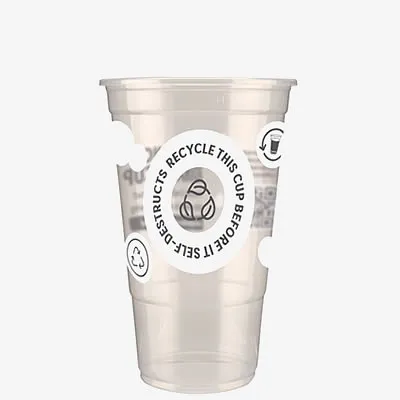
The UK plastic packaging tax and increasing pressure from customers means rPET and compostable cups are growing in demand. rPET requires at least 30% recycled content to avoid the plastic packaging tax levy. PLA compostable cups need to be certified to EN 13432 and only break down in industrial composting -- check whether your local council or waste contractor accepts them before committing.
Cost and Value
Plain PET cold cups run approximately £4 to £10 per 50 cups depending on size, or £15 to £40 per 250 cups. rPET runs at a small premium. PLA compostable cups cost 20 to 40% more than standard PET. Buy in cases of 500 to 1,000 to reduce the unit cost. Always include compatible lids in your cost-per-serve calculation.
Pro Tips
- Before ordering lids separately, confirm rim diameter measurements match your cups. Request samples of both together and fit-test them before ordering in quantity.
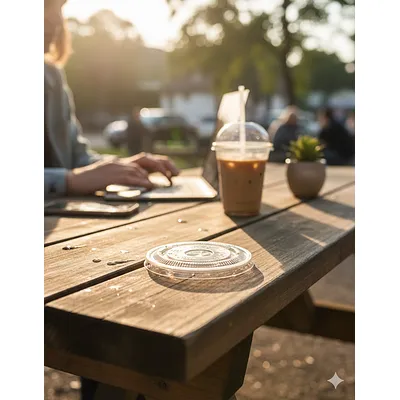
- For iced coffee operations, test whether your cup holds up to condensation on a warm day without becoming soft or slipping through a customer's hand. Wall thickness matters.
- rPET cups are a straightforward upgrade from standard PET with minimal price difference at volume. If you are making environmental claims on your menu or website, rPET is easier to substantiate than PLA.
- If you are using printed cups, order at the start of a season rather than reactively. Lead times for custom printing typically run three to five weeks.
Summary
Cold cups are a higher-involvement purchase than they appear once lids, sizes, and sustainability requirements are factored in. Start with PET or rPET for most applications, confirm lid compatibility before ordering, and calculate cost per serve including lids when comparing suppliers. Test clarity, wall thickness, and condensation performance with your actual drinks before committing to a large stock order.


 Cold Cups + Lids
.jpg)
.jpg)

.jpg)
.jpg)
.jpg)