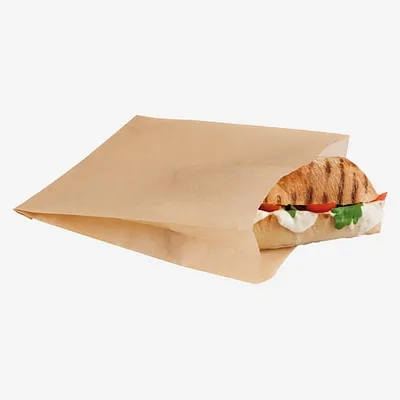
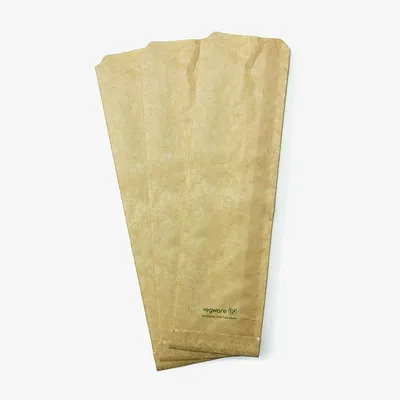
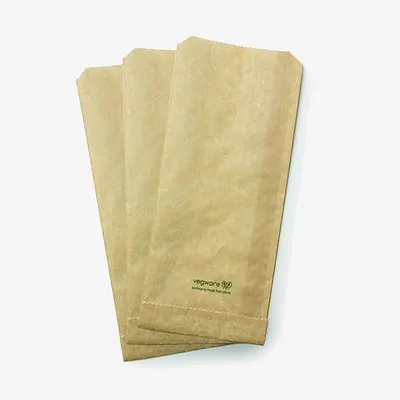
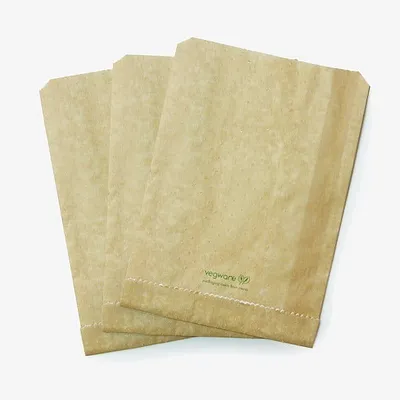
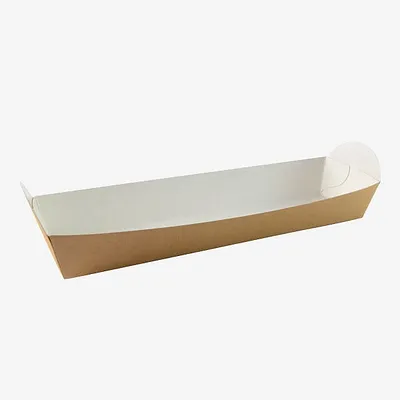
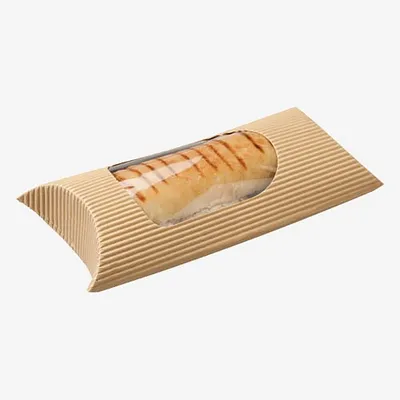
Sandwich and wrap boxes are the backbone of any grab-and-go counter. They protect the product, display the contents, and in many cases carry your branding from the counter to the customer's desk or park bench. A box that does not close properly, lets the contents shift and arrive untidy, or obscures the food behind a fogged window is losing you repeat business quietly. Getting this right is about matching the box format precisely to the product it carries.
Key Factors to Consider
Box Format and Construction
The main formats are:
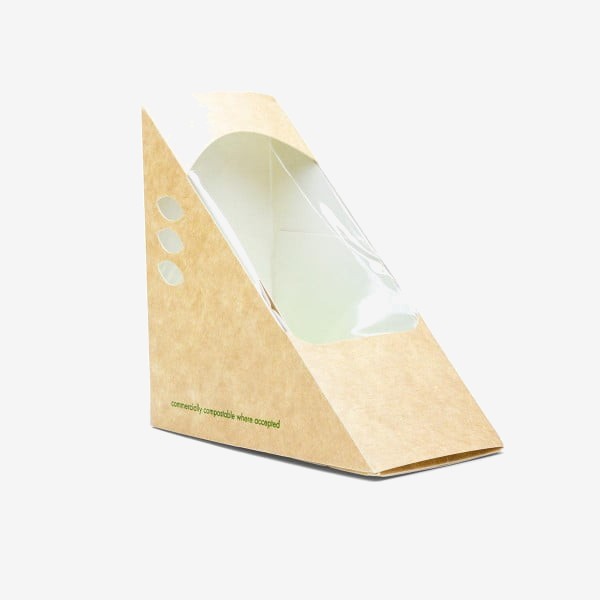
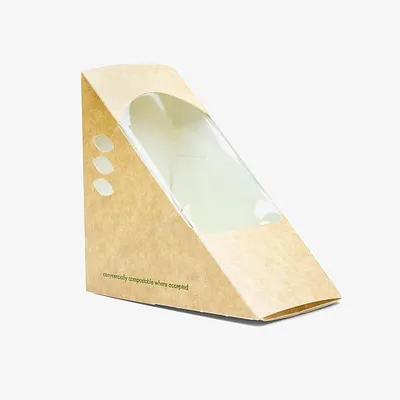
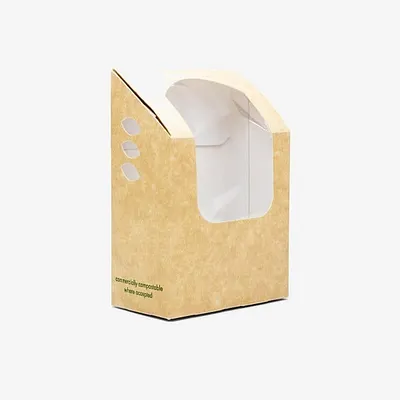
- Wedge sandwich boxes: Triangular or rectangular, designed for pre-cut sandwiches. Usually sold with a clear window lid. Sizes typically range from around 150mm x 80mm x 70mm (half sandwich) to 200mm x 110mm x 90mm (full sandwich with depth for fillings).
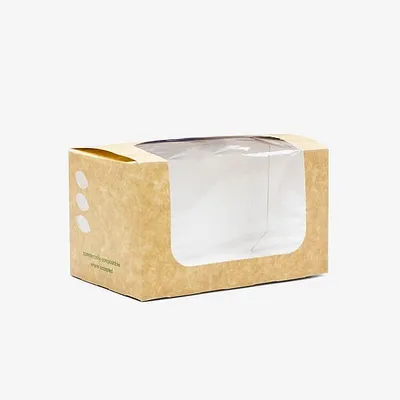
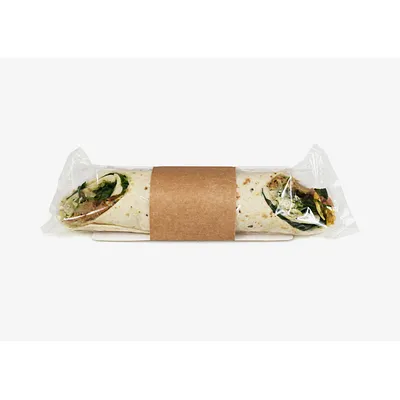
- Wrap/baguette boxes: Longer and narrower, designed for whole wraps, baguettes, or paninis. Typically 240mm to 300mm long. Some fold flat for storage efficiency.
- Hinged-lid boxes: A single piece that folds open, commonly used for hot or cold sandwiches and toasted products. More rigid than a window-lid design.
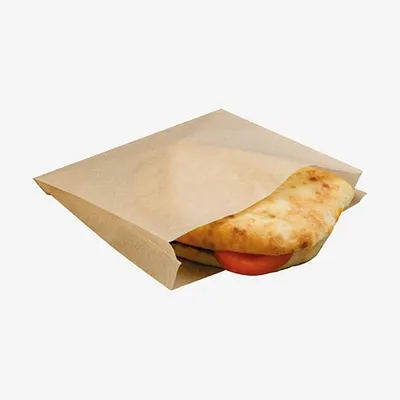
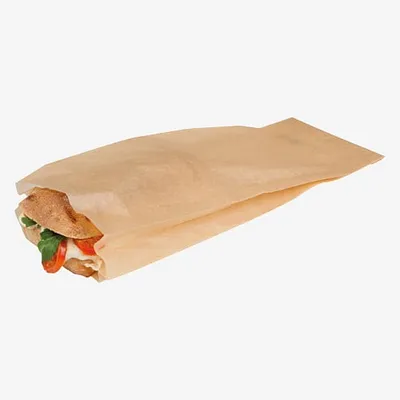
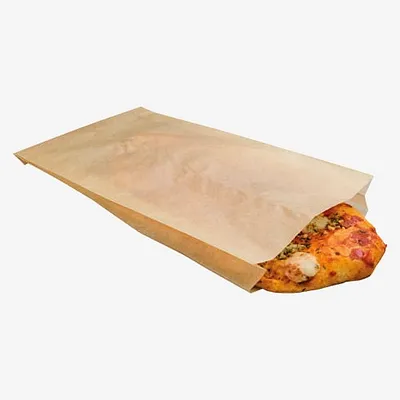
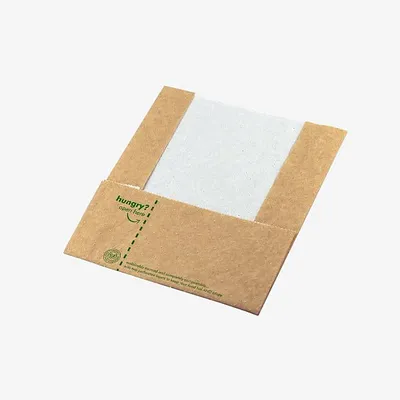
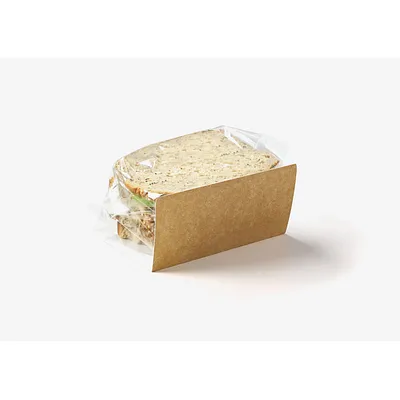
- Film-window pouches or bags: Lower-cost alternative for pre-wrapped sandwiches, but offer less structural protection.
For grab-and-go display, the window is important -- customers make purchasing decisions based on what they can see. A large, clear window with good anti-fog performance sells more than an opaque box.
Material
Most sandwich boxes are made from:
- Recycled or virgin board with a clear PET or rPET window: The standard option. Rigid, printable, and reasonably cost-effective. The board is recyclable; the window is technically separable but rarely sorted correctly.
- Kraft board with a PLA window: A more sustainable option. PLA windows are compostable but slightly less optically clear than PET and can fog more quickly with warm food.
- Cardboard with no window: Lower cost, better for hot-fill where condensation would make a window useless anyway. Printed or plain white.
- Compostable kraft board (uncoated): Suitable for dry or ambient products; not appropriate for anything with significant moisture.
Size Accuracy
This is where many operations get tripped up. Sandwich box dimensions on a spec sheet are the external dimensions of the closed box. The internal dimensions, and specifically the fit of a half-sandwich or a rolled wrap, are what matter. A box that is 5mm too wide lets the contents shift; a box that is too narrow does not close. Order samples and pack them with your actual products before placing a volume order.
Window Quality and Anti-Fog
Anti-fog window treatment keeps the display window clear when the contents are cold or when there is a temperature differential. If you are running a chilled display case and pulling products in and out, a non-anti-fog window will be opaque within minutes. Specify anti-fog if your products will be chilled.
Sustainability
Kraft board and PLA window sandwich boxes are available and genuinely compostable where industrial composting is accessible. Standard board and PET window boxes are partially recyclable. Check the disposal instructions on the box and ensure they match what your local authority or commercial waste contractor actually accepts.
Cost and Value
Standard sandwich boxes in kraft or white board run approximately £10 to £20 per 50 units depending on size and window type. Cases of 200 to 500 units reduce this considerably. Anti-fog windows and compostable materials add 15 to 30% to the unit price.
Pro Tips
- Order samples in your two most likely sizes and pack them with your actual sandwich recipes. Fit, headroom for fillings, and how the food looks through the window all vary more than dimensions on a spec sheet suggest.
- For hot toasties or paninis, avoid clear window boxes unless the window is specifically rated for warm-fill -- condensation will obscure the window immediately and the box may distort.
- If you are pre-packing sandwiches with a best-before label, ensure the flat surfaces of the box are large enough to accommodate your label size without it covering the window.
- Flat-pack storage is important in a busy kitchen. Confirm the flat-packed height of a full case -- sandwich box cases can be bulky and awkward in a small storeroom.
Summary
Sandwich and wrap boxes live at the intersection of food safety, display quality, and customer experience. Choose the format that matches your specific product, confirm internal dimensions against your actual recipes, and test window clarity under your display conditions before ordering in volume. The cost difference between a good and a poor box is small per unit; the difference in customer perception is not.

 Sandwich & Wrap Boxes