
Cart
Your cart is empty
Continue Shopping Till Rolls
Browse 3+ till rolls
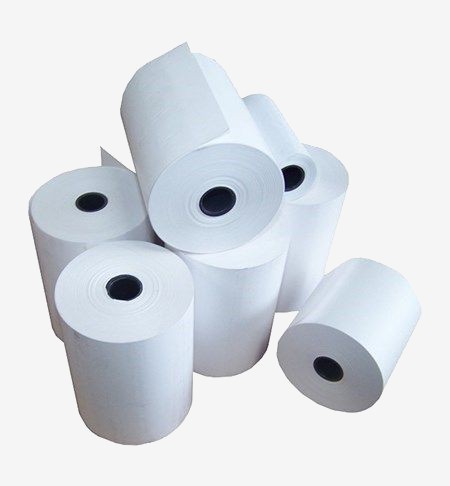
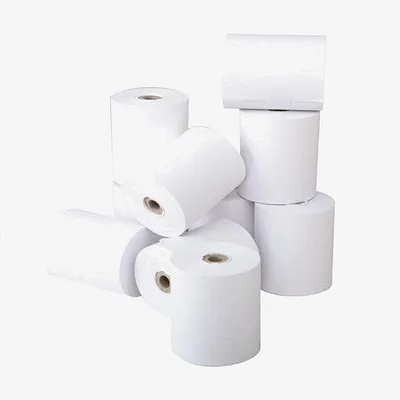
24.6p/unit · pack of 20
Quick Add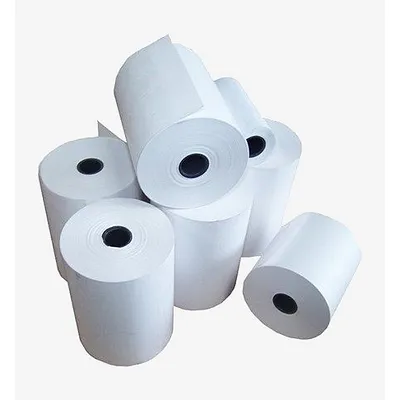
31.3p/unit · pack of 20
Quick Add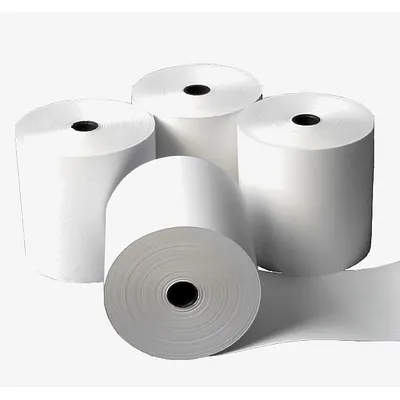
£1.10/unit · pack of 20
Quick AddTill rolls are one of the most consistently overlooked consumables in a food service operation until you run out mid-service. They are also a product where the wrong spec costs you money in two ways: thermal rolls that fade before the customer needs to reference the receipt, or rolls that jam in your printer and slow down every transaction. The good news is that this is a simple category to get right once you have the correct dimensions for your printer.
Till roll width must match your printer exactly. The most common widths in UK retail and food service are:
Confirm the width before ordering. A roll that is 2mm too wide or too narrow may not feed correctly and will jam or print partially. Check your printer's manual or the core of an existing roll for the correct width.
Roll diameter determines how many receipts you get per roll. A wider core diameter means a longer roll and fewer roll changes during a shift. Standard till rolls come in a range of lengths:
For a busy service environment, a longer roll means fewer interruptions. Calculate your average receipt length and transaction volume to work out how often you change a roll and whether moving to a longer roll saves meaningful staff time.
Most modern till printers use thermal paper, which produces an image using heat rather than ink or ribbon. Thermal paper requires no consumables beyond the roll itself, is fast, and produces a clean receipt. The downside is that thermal receipts fade over time with heat, UV, and handling -- typically six months to two years depending on paper quality. For receipts used as proof of purchase or warranties, this is a known limitation.
Impact paper (used with older dot-matrix printers) requires a ribbon and is slower, but produces a more durable receipt that is less affected by heat and light. Impact rolls are less common in modern food service but are still used in some kitchen printer configurations. Confirm your printer type before ordering.
Thermal paper quality varies. Lower-quality thermal paper fades faster, especially if exposed to heat (common in kitchen environments) or kept in a customer's wallet or bag. If your customers need receipts that last (for expense claims or returns), specify high-retention thermal paper, which uses a different coating and resists fading significantly better. High-retention rolls typically cost 10 to 20% more than standard.
Many conventional thermal papers use bisphenol A (BPA) or bisphenol S (BPS) in the thermal coating, both of which are regulatory concerns and have faced increasing scrutiny. BPA-free thermal rolls are widely available at similar prices and are the standard choice for any business with health-conscious customers or environmental claims. Some food service regulations in certain markets restrict BPA-coated paper; confirm current UK guidance if this is relevant to your operation.
The inner core (the cardboard tube at the centre of the roll) needs to match the spindle or core holder in your printer. Common core sizes are 12mm and 26mm internal diameter. An incorrect core size means the roll either does not fit onto the spindle or rattles and feeds unevenly. Check your printer specification.
Standard 57mm x 30m thermal rolls typically cost £0.20 to £0.50 per roll when bought in cases of 20 to 50. Longer or wider rolls cost proportionally more. BPA-free and high-retention rolls add a modest premium. Buying in cases of 20 to 50 rolls reduces the per-roll cost by 15 to 30% compared to buying in small quantities. For a cafe or takeaway processing hundreds of transactions per day, having a four to six week supply on hand is sensible.
Till rolls are a simple but operationally important purchase that goes wrong primarily through incorrect sizing or running out of stock. Confirm width, core size, and roll length against your printer spec before ordering. Specify BPA-free as the default, consider high-retention paper for any receipt that needs to last, and buy in cases to reduce both cost and reorder frequency. The goal is a product that feeds reliably, prints clearly, and never runs out at the wrong moment.
Complete your order with these complementary products.
Your cart is empty
Continue Shopping