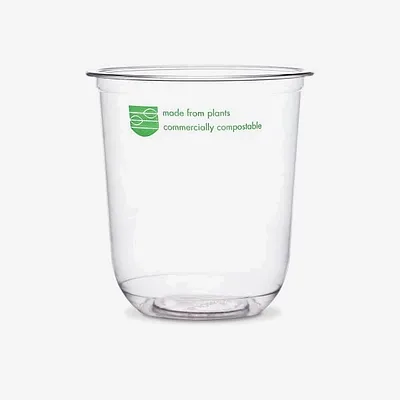
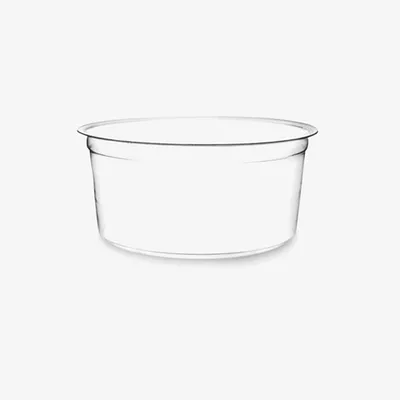
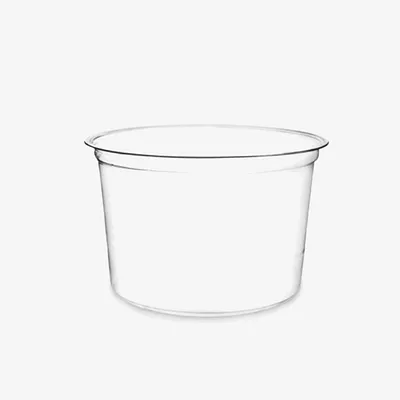
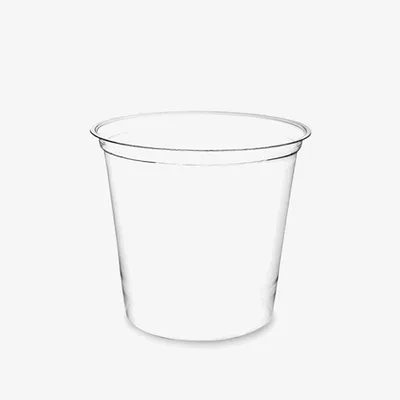
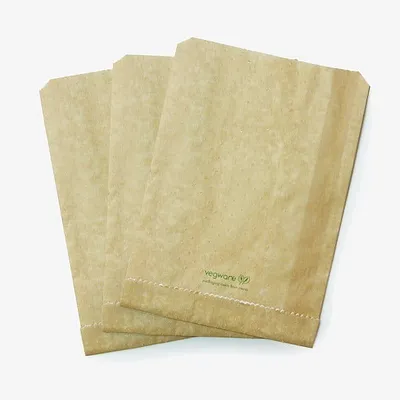
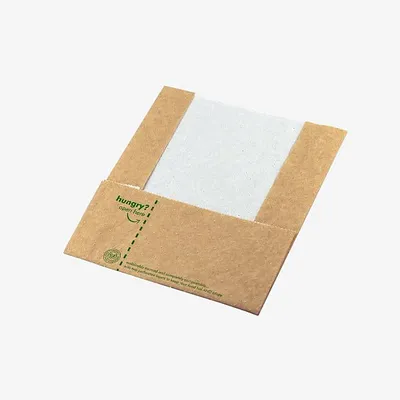
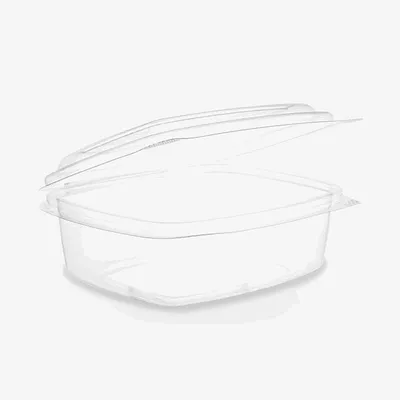
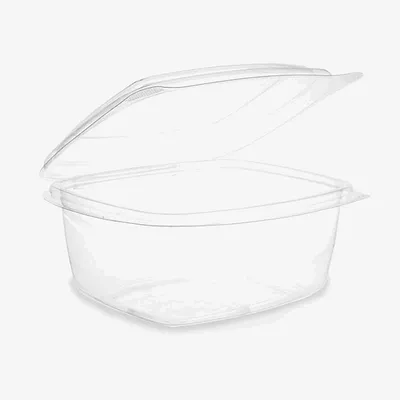
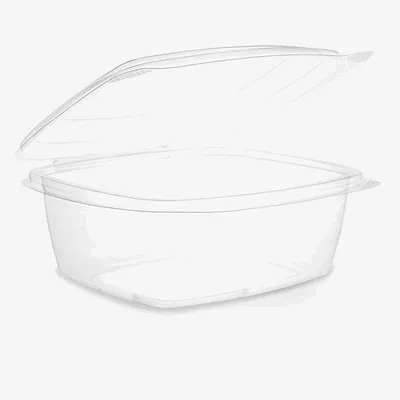
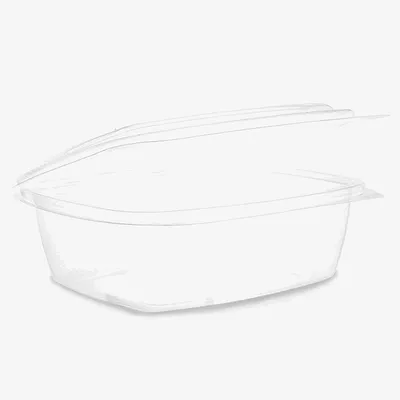
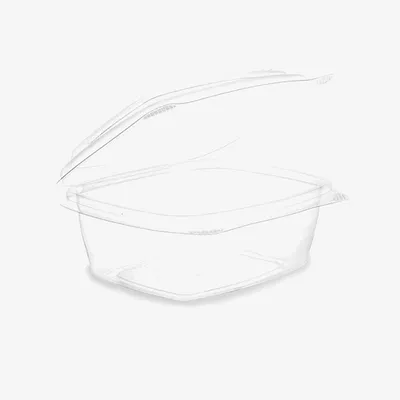
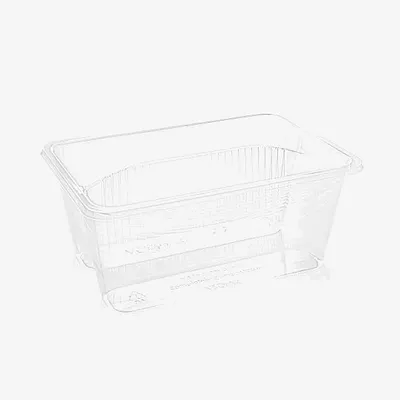
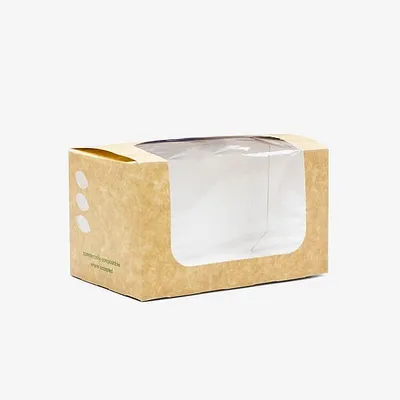
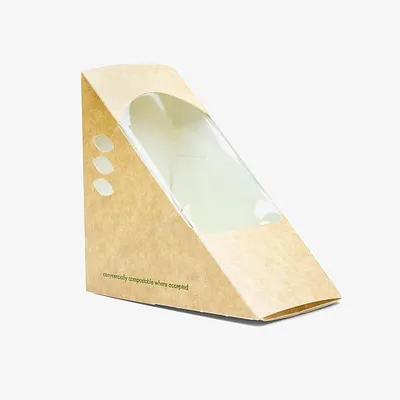
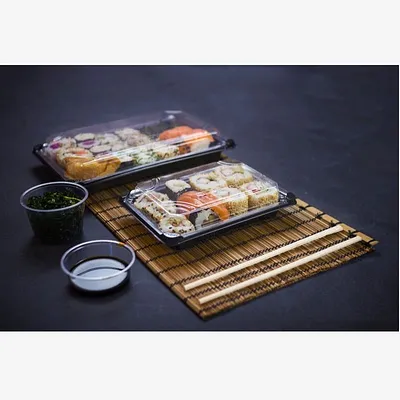
Vegware cold food and salads packaging covers the parts of the menu that are pre-made, displayed cold, and eaten cold or at ambient temperature: sandwiches, wraps, salads, deli portions, dressings, and yoghurts. The range pairs PLA clear deli pots and salad boxes for items where customers expect to see what they're buying with kraft sandwich cartons and wedges for filled bread and wrap formats. Every line is certified to EN 13432 for industrial composting, and the PLA clear material is the closest visual match in the Vegware catalogue to conventional clear plastic. This guide covers how the range breaks down and how to match the right pack format to your cold-service menu.
Key Factors to Consider
PLA Clear Versus Kraft
The cold range splits cleanly along material lines. PLA clear is used where presentation drives the sale: the customer sees the salad, the fruit pot, the dressing, the dessert, before they pick it up. PLA is moulded from corn-derived bioplastic, gives clarity comparable to PET, and stays rigid at refrigerator temperatures. Kraft paperboard is used where the format itself signals the product: a triangular sandwich wedge, a bloomer carton, a tortilla carton. The customer recognises the shape and reads the label rather than seeing through the box. The two materials behave differently outside the fridge: PLA warps above 40°C and is strictly cold-only, while kraft sandwich cartons handle ambient and chilled fine but should not go in the oven. For anything hot, the hot food range uses bagasse and PLA-lined kraft instead, which are rated for the temperatures PLA clear can't survive. For a cold display unit running at 5°C, the choice between PLA and kraft is a presentation decision, not a performance one.
Deli Pots
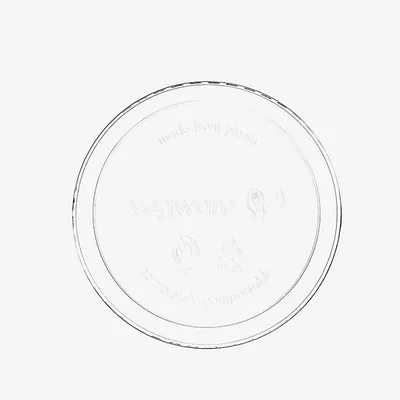
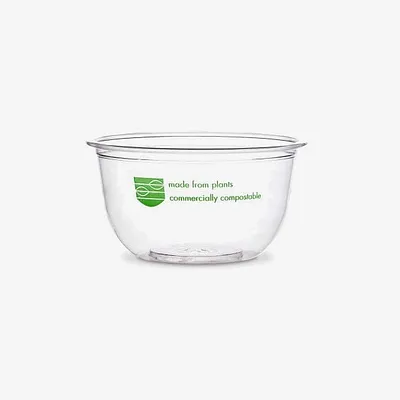
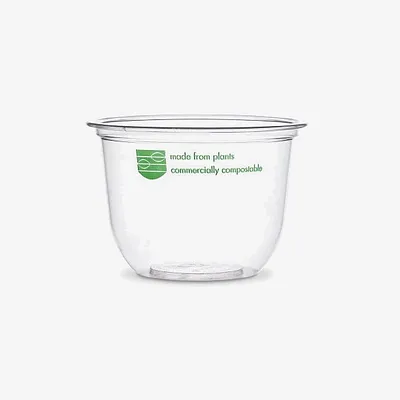
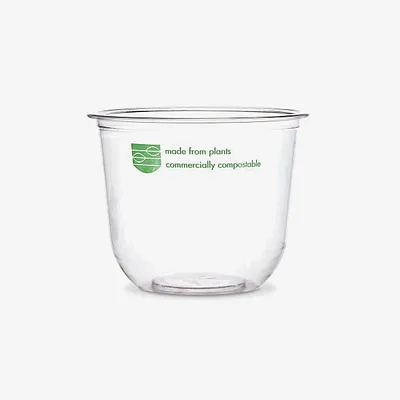
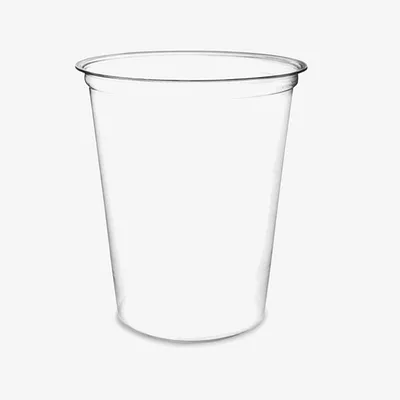
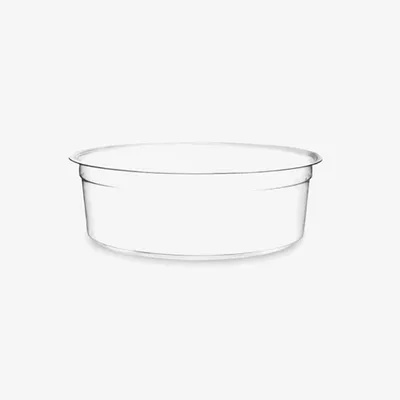
The Vegware deli pot range covers two distinct product families. Cold portion pots are small PLA pots in the 1oz to 4oz range for sauces, dressings, condiments, and side portions. They suit deli counters where customers customise their order with multiple add-ons, or takeaway operations that ship dressings separately from a salad to keep the leaves crisp on arrival. Bella Pots are a 96-Series rounded PLA pot range in 3oz, 8oz, 10oz, and 12oz sizes. The Bella shape suits desserts, fruit pots, deli scoops, and premium portions where a flat-walled deli pot would look domestic. The 3oz Bella is large enough for a single-serve dessert or fruit pot, the 8oz and 10oz cover yoghurt and granola, and the 12oz handles a full salad or pasta portion. Match the lid to the pot by series number; PLA flat or dome lids fit the 96-Series cup and Bella range, which means lids you already stock for cold cups also fit your Bella deli portions.
Sandwich Wedges and Cartons
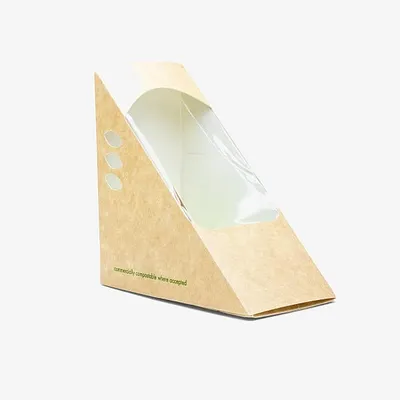
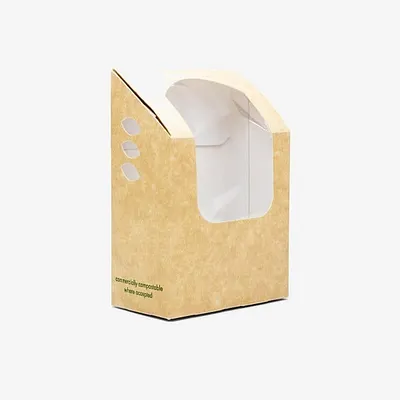
The kraft sandwich format covers four shapes. The standard sandwich wedge is a 65mm triangular wedge with a clear PLA window, sized for a half-sandwich made from two slices of a standard tin loaf. The deep fill sandwich wedge uses the same triangular footprint but with a taller body for sandwiches with substantial fillings: chicken and bacon, BLT, club. The bloomer sandwich carton is rectangular and sized for thicker-cut bloomer or sourdough bread, where the triangular wedge would crush the slice. The tortilla/wrap carton is a deeper rectangular box for a rolled tortilla wrap, burrito, or filled flatbread. The 2-compartment sandwich sofa is a PLA clear container sized for two wraps or two filled rolls side by side, suitable for meal-deal pairings or shareable lunch portions. For most operations, the standard wedge plus the deep fill wedge plus one of either the bloomer carton or the tortilla carton (depending on which bread format dominates the menu) covers about 80% of cold sandwich and wrap volume.
Salad Boxes
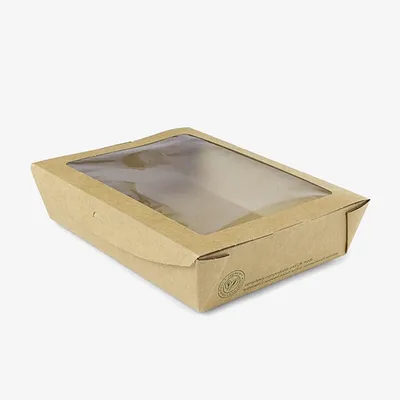
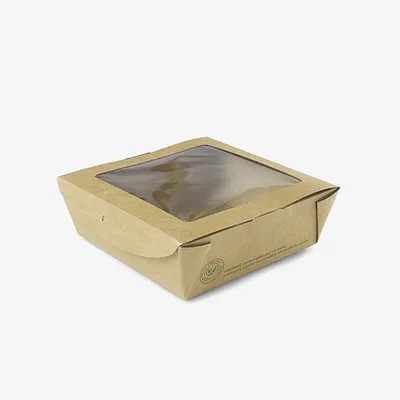
The salad box range is narrow and deliberate: medium window salad box and large window salad box, both with a clear PLA window panel for product visibility. The medium suits a side salad, a dressed grain bowl, or a small mixed leaf portion. The large handles a full meal salad with protein, dressing, and accompaniments. Window boxes outsell plain boxes substantially in cold display: the customer scans the chiller for what looks fresh and appealing, and an opaque box loses against a window box every time. The trade-off is a small premium for the window film and the discipline of presenting the salad attractively, since the customer can now see the inside before they buy. Layered salads with the dressing tucked under the leaves rather than poured on top sell better through window boxes, both because they look fresher and because the leaves stay crisp until the customer actually opens the lid.
Therma Bags and Pouches
Despite the category name, the catalogue includes therma bags and a therma pouch under cold food and salads. These are insulated paper bags designed to hold temperature for delivery and customer transit. In the cold context, a therma bag works in reverse: it slows the rate at which a chilled salad warms during the walk from counter to office, the same way it slows a hot dish cooling during delivery. For lunchtime delivery operations serving offices, a therma bag around the customer's salad or sandwich plus a small ice pack inside the bag holds the chilled chain through a 30 to 45 minute delivery window. The therma bag is paper, the insulation is corrugated paper, and the whole assembly stays compostable.
Cost and Pack Sizes
Cold food packaging spans a wider price range than cups or wraps because the formats are more varied. A single PLA cold portion pot lands at 2p to 4p depending on size and quantity. A Bella Pot runs 8p to 18p depending on size. A standard sandwich wedge sits around 12p to 18p, with the deep fill version a few pence higher. PLA window salad boxes are the most expensive line in the range, often 25p to 40p per box for the medium and large sizes. Cases ship in 500 to 1,000 depending on format. For a typical lunchtime cold operation, the salad box is your highest per-unit cost and the most price-sensitive line on the menu, so right-sizing your two-box selection (medium plus large only, no oversized variants you'll never sell) keeps inventory tight.
Cold Chain and Compostability
Compostable cold packaging has one operational quirk worth knowing: PLA clear material softens at temperatures most cold operations never see (around 40°C), but it also becomes more brittle below freezing. In a chilled display at 4°C to 8°C, PLA performs identically to conventional clear plastic for the customer's purposes. In a freezer, PLA portion pots can crack if dropped or stacked under weight, so the range is for chilled display, not frozen storage. Kraft cartons are temperature-stable across the same range and do not have the freezer brittleness issue, which is one reason why frozen ready-meal-style products tend to use kraft formats rather than PLA clear. Confirm with your council and waste contractor that they accept PLA-lined and PLA-clear cold packaging in the same waste stream as your hot cups and bagasse containers, since some local authorities split the streams.
Pro Tips
- For a counter operation, stock medium and large window salad boxes, three Bella Pot sizes (3oz, 8oz, 12oz), and two cold portion pot sizes (1oz and 2oz). That covers about 90% of cold display use and keeps SKU count manageable.
- For salad displays, layer the dressing at the bottom and the leaves on top rather than pouring dressing over the leaves at point of sale. The salad looks fresher in the window box for longer and the customer can shake to dress when they open the lid.
- Match the sandwich format to the bread you're buying, not the other way around. If your bakery delivers thick-cut bloomer, buy bloomer cartons; if it delivers standard tin loaf, buy triangular wedges. Buying the wrong wedge for the wrong bread bruises the sandwich and wastes the carton.
- For office delivery, use a therma bag around chilled salads with a single small reusable ice pack inside. The chilled chain holds for 45 minutes, which covers most local delivery routes without needing a refrigerated vehicle.
- Pair PLA clear deli pots with the same 96-Series lids you stock for cold cups. The lid commonality is real and reduces SKU count behind the counter, but only if you stay disciplined about not mixing 89-Series cups in alongside 96-Series Bella Pots.
Summary
Vegware cold food and salads packaging gives cafes, delis, and meal-prep operations a coherent, single-brand, compostable set of formats for everything pre-made and chilled: sandwich wedges and cartons in kraft for filled bread, sandwich sofas and salad boxes in PLA clear where customers expect to see the product, Bella Pots and cold portion pots for desserts, dressings, and side portions, and therma bags to hold the chilled chain during delivery. The strongest case for the range is operations that already commit to compostable hot packaging and want the cold side of the menu to share the same EN 13432 certification rather than mixing PLA clear with conventional PET clamshells. The trade-offs are a per-unit premium over generic compostable competitors on the higher-margin lines, the discipline of keeping PLA clear formats out of the freezer, and the lid-series rule that ties cold cup and Bella Pot SKUs together. For operations that serve a substantial cold lunch menu alongside hot drinks, the cold range is the second-largest line item in the Vegware order after cups. See the wider Vegware compostable packaging range for the hot food, cups, tableware, bags, and supplies that complete the menu.