The first time many café and bakery owners take packaging seriously is not when they place their first order. It is when something goes wrong. A cupcake arrives with the icing smeared against the lid. A cake box softens underneath a warm sponge. A stack of plain cartons eats up half the stockroom. A customer posts a lovely pastry on Instagram, then the box in the photo looks flimsy and forgettable.
That is the point where baking boxes wholesale stops being a simple buying task and becomes an operating decision.
In the UK, bakery output is high and still growing. The UK bakery products manufacturing industry produced 3.2 billion kg of baked goods in 2023, up 4.1% from 2022, and 68% of UK bakeries now prioritise sustainable options according to the verified industry data provided in this bakery packaging market fact summary. That combination matters. More baked goods means more boxes. More sustainability pressure means the wrong packaging choice now creates cost and compliance issues later.
Small hospitality businesses feel this more sharply than larger groups. An independent café cannot hide wasted packaging in a broad purchasing budget. A bakery with limited back-of-house space cannot casually store oversized case quantities. A takeaway cannot afford damaged deliveries because every failed order costs product, labour, and goodwill.
Good packaging does four jobs at once. It protects the food, supports the brand, fits the way your team works, and avoids avoidable cost. That last part is often missed. Buyers focus on the per-unit price and ignore storage, handling time, disposal, damaged goods, and delivery reliability.
This guide treats baking boxes wholesale the way an experienced operator should: as a practical purchasing decision tied to presentation, sustainability, and day-to-day service.
Introduction Beyond the Box Itself
A new bakery owner usually starts with the obvious questions. What size box fits a six-inch cake? Do I need a window? Should I buy kraft or white board? Those are sensible questions, but they are not the whole job.
The better question is this. What does your packaging need to do in real service conditions?

A coffee shop selling brownies and traybakes has different pressure points from a wedding cake maker. A brunch spot doing takeaway pastries has different needs from a pub sending gourmet pies for collection. The box is part of the product experience, but it is also part of prep speed, shelf space, and transport risk.
What owners usually notice too late
The first trap is buying by appearance alone. A box may look right on a trade site, then prove awkward to assemble during a morning rush.
The second trap is buying by lowest price alone. Cheap boxes often create hidden costs elsewhere. Staff take longer to build them. Lids do not stay shut. Bases flex. Grease marks show through. Stacks collapse in storage or transit.
The third trap is treating packaging as separate from the rest of your disposables. In reality, customers judge your whole setup together. The cake box, coffee cup, napkin, straw, deli container and takeaway bag should feel like one coherent standard, not a jumble of unrelated items.
Practical view: if your pastry box looks premium but your cup, napkin and carrier bag feel like an afterthought, the customer notices the mismatch.
Packaging is an operations choice
For most UK hospitality businesses, the best packaging decisions are not the most glamorous. They are the ones that make service smoother.
That means asking:
- How quickly can staff assemble it
- How well does it hold shape during transport
- Whether it stacks cleanly in a stockroom
- How it performs beside hot drinks, sauces, or greasy bakery items
- Whether it fits your sustainability policy without complicating disposal
If you sell a lot of grab-and-go items, speed matters. If you handle celebration cakes, rigidity matters. If your offer includes drinks and bakery together, coordinated packaging matters. A customer leaving with a pastry box, coffee cup, paper napkins and a bag wants one tidy, reliable carry-out experience.
Why this matters more now
UK operators are buying in a market where sustainability expectations are no longer optional side notes. Customers ask questions. Waste contractors ask questions. Buyers also need packaging that arrives fast and does not force them to over-order just to secure a workable price.
That is why sensible buyers look beyond the box itself. They buy for the full chain. Storage, compliance, delivery, presentation, and real-world use.
Understanding Your Wholesale Baking Box Options
Not all bakery boxes are doing the same job. Some are built for neat presentation on a counter. Some are built to survive delivery. Some are chosen because they print beautifully. Others are chosen because they cost less and still hold up.
If you are buying baking boxes wholesale, start with material and construction before you think about finishes or branding.
The three materials most buyers compare
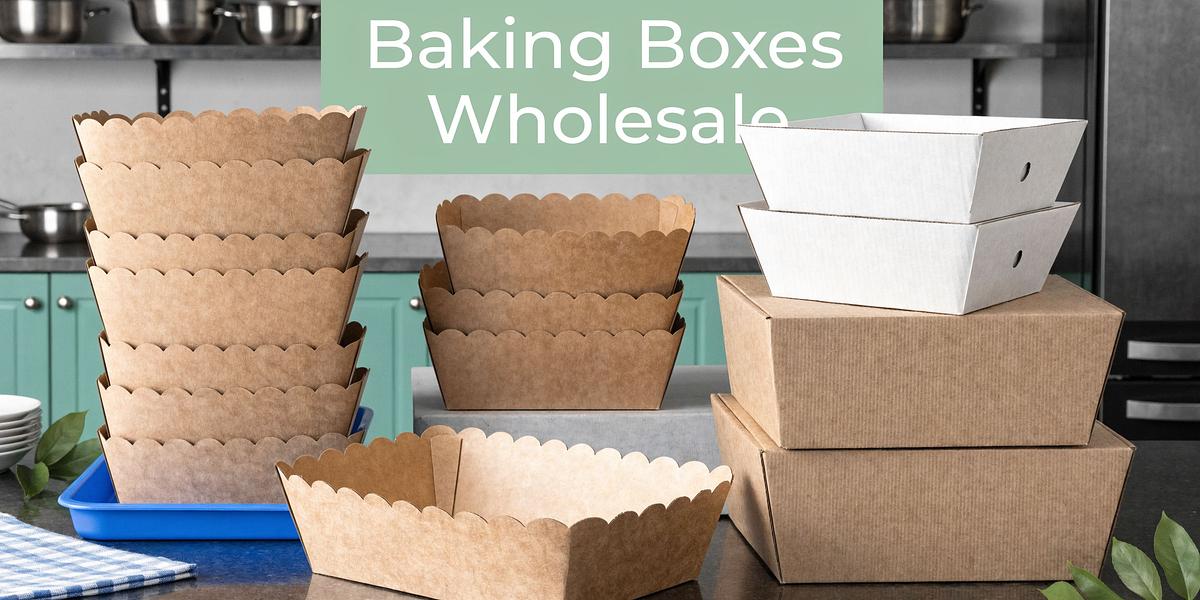
Kraft board is the familiar natural-looking option. It suits artisan bakeries, cafés, farm shops and takeaway pastry counters. It usually gives you a more rustic look and tends to fit businesses that want recyclable, practical packaging without a polished luxury finish.
SBS paperboard is the cleaner, brighter option. It has a smooth white surface and stronger print presentation. For premium cakes, food-contact-safe SBS paperboard in 16pt to 24pt thickness is the UK benchmark, with compressive strength 20 to 30% higher than thinner stock, helping prevent damage in transit according to this verified SBS bakery box specification summary. In simple terms, it gives you a stiffer, smarter box for items where appearance matters.
Corrugated board is chosen when strength comes first. It is common for pizza-style bakery boxes, larger bakes, heavier products, and anything likely to be stacked. It is less refined visually than SBS, but much better when weight and handling are the main concern.
A simple way to think about thickness
Buyers often get put off by technical terms like gsm and pt. They are useful once you strip out the jargon.
- Gsm refers to paper weight. Higher gsm usually means a heavier sheet.
- Pt refers to board thickness. Higher pt usually means a stiffer board.
- Corrugated depth refers to the structure of the fluted layer inside the board.
If you sell decorated cakes, thin stock is a false economy. A box that bends under pressure can spoil the finish before the customer reaches the car.
Construction matters as much as material
The same board can work very differently depending on how the box is made.
One-piece tuck-top boxes
These are common for everyday bakery retail. They store flat, assemble fairly quickly, and suit cakes, pastries, brownies and doughnuts.
They work well when:
- Staff need speed: assembly is straightforward.
- Storage is tight: flat-packed stock is easier to hold.
- Volume is steady: they are practical for daily use.
Their weakness is feel. They are functional, but they do not always create a premium unboxing moment.
Two-piece lid-and-base boxes
These feel more considered. They suit premium cakes, giftable bakes and event work.
They work well when presentation matters most. The trade-off is that they usually take up more space and often cost more.
Corrugated folding boxes
These are the workhorses for heavier or greasier products. They are common in takeaway environments and useful when items travel by car, rider, or van.
They are less elegant, but they are often the right answer for hot or weighty products.
Baking box material comparison
| Material | Key Benefit | Best For | Eco-Friendliness | Relative Cost |
|---|---|---|---|---|
| Kraft board | Natural look and practical everyday use | Pastries, brownies, cookies, artisan bakery items | Strong recyclable appeal | Lower to mid |
| SBS paperboard | Clean premium finish and stronger presentation | Celebration cakes, cupcakes, patisserie, branded retail boxes | Can support paper-based eco goals depending on specification | Mid to higher |
| Corrugated board | High strength and better stacking protection | Pizza slices, heavy bakes, takeaway items, transport-heavy use | Often recyclable and useful for lower damage rates | Mid |
Buying tip: match the board to the product weight first, then match the look to the brand. Many buyers do that in the wrong order.
Windows, inserts and liners
A clear window helps product visibility, but it is not always the best choice. If you sell high-visual pastries, cupcakes or decorated biscuits, a window can help retail appeal. If you sell hot items, greasy bakes, or products likely to steam, a plain box is often safer.
Inserts matter for delicate items. Cupcakes, macarons and mixed pastry boxes move more than owners expect. If the product can slide, the box is incomplete without an insert or divider.
Liners are useful when grease or butter content is high. They protect the board and reduce the chance of staining or softening.
Navigating Eco-Friendly Packaging and UK Compliance
Sustainable packaging is no longer a marketing extra. For UK hospitality businesses, it is a purchasing requirement with legal and operational consequences attached.
The common mistake is assuming that anything described as eco-friendly is automatically suitable. It is not. Buyers need to know whether a bakery box is recyclable, biodegradable, or compostable, and whether those terms fit the way their business disposes of waste.
Recyclable is not the same as compostable
A recyclable box can go into the paper recycling stream if it is clean enough and made from suitable material.
A biodegradable box breaks down over time, but that alone does not tell you where or how it should be disposed of.
A compostable box is designed to break down under composting conditions, but you still need to know whether it is intended for industrial composting or home composting.
For many cafés and takeaways, the practical answer is often paper-based packaging that fits local waste streams clearly and does not confuse staff or customers.
Compliance now affects buying decisions
The UK’s packaging rules have pushed buyers away from casual material choices. Businesses that once ordered whatever was cheap and available now need to check specifications more carefully.
One clear pressure point is sourcing suitable alternatives to restricted plastics. Verified industry data notes that, with the UK’s 2025 ban on many single-use plastics, sourcing compliant bakery boxes is a major challenge, and 78% of UK hospitality businesses struggle with this, according to this verified compliance and sourcing fact summary.
That tells you two things. First, many operators are still uncertain about what counts as compliant. Second, you should not rely on vague product descriptions from suppliers.
What to check before you order
A box can look eco-friendly and still cause problems if the specification is unclear.
Use this short checklist:
- Material clarity: ask what the board is made from and whether any lining affects recyclability.
- Food-contact suitability: bakery packaging must be suitable for direct food contact where required.
- Grease performance: a recyclable box that fails when it meets butter or oil is not a good buy.
- Disposal fit: choose materials your staff and customers can reasonably sort and discard correctly.
- Consistency across your range: cups, containers, napkins and straws should support the same sustainability position where possible.
The business argument for getting this right
Operators sometimes frame eco-packaging as a compromise. In practice, it is usually a risk-management decision.
Non-compliant or poorly chosen packaging creates hassle in several places:
- stock you can no longer reorder with confidence,
- confused messaging to customers
- higher waste from box failure
- mixed materials that complicate disposal
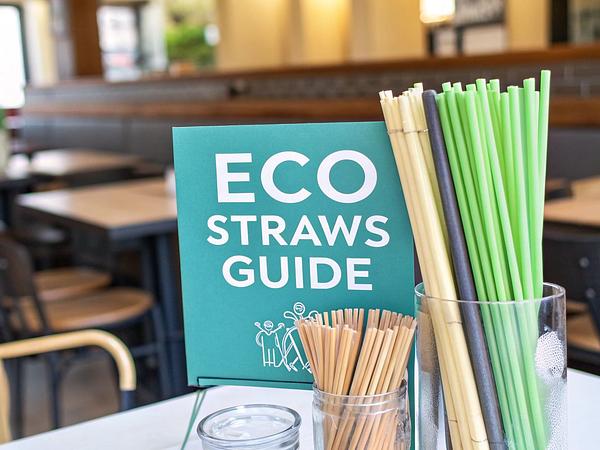
By contrast, a clear paper-based packaging approach usually simplifies the range. It also helps you build a more consistent offer across bakery boxes, hot drink cups, salad or dessert containers, paper napkins and fibre or paper straws.
Practical rule: if your team cannot tell at a glance how a pack should be used and disposed of, the specification is too complicated for a busy service environment.
Eco-friendly should still be fit for service
There is no virtue in a box that photographs well as “green” but performs badly in a real shift.
For bakery operators, the right sustainable option still needs to:
- hold shape in a delivery bag
- resist grease where needed
- stack cleanly
- protect decoration and texture
- feel consistent with the rest of the brand
That is the standard to buy against. Compliance matters, but so does service performance.
Custom Branding From Concept to Customer
Custom bakery packaging works best when it solves two problems at once. It improves brand recognition, and it gives the product a more finished, intentional feel.
For small hospitality businesses, the difficulty is rarely deciding whether branded boxes are useful. It is making them practical. Owners worry about design complexity, storage, and order minimums. They also worry that custom printing will push them into a more expensive setup than the business can comfortably carry.
That concern is fair. Branding only helps if the numbers work.
Branding is more than adding a logo
A good branded baking box does not need to be loud. In many cases, a restrained design works better. A clean mark, readable colours, and good placement create a stronger impression than trying to print every surface.
If you are developing your visual identity, it helps to treat packaging as part of the wider brand system, not as a standalone graphic task. For businesses refining that broader thinking, this guide to strategic company brand design is useful because it frames brand choices around consistency rather than decoration.
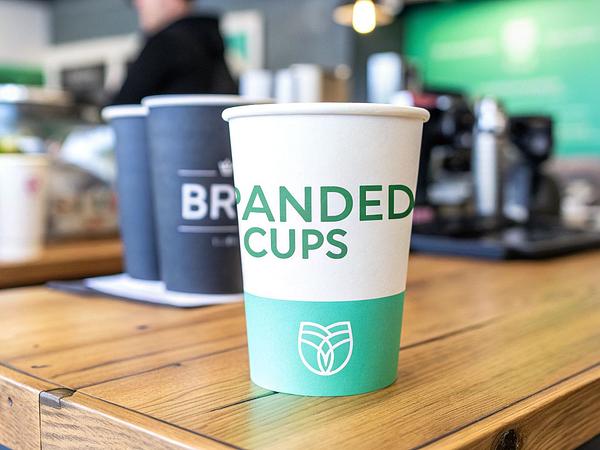
That matters in hospitality. A customer rarely sees your box in isolation. They see the box, cup, napkin, sticker, and bag together.

The small-business barrier is usually operational
Independent operators often assume custom print is mainly for larger chains. Logistics often present the main barrier, not design.
Three issues come up repeatedly:
Minimum order quantities feel too high
If the supplier only wants very large runs, your stockroom becomes the overflow warehouse.Storage becomes part of the cost
A lower unit price is not a bargain if you are paying in clutter, damage, or off-site storage.Reorders can become awkward
If lead times are long, owners either over-order or risk gaps in supply.
A more practical approach is to look for custom options designed around smaller hospitality operators, including low minimums and call-off stock. If you want to see how that kind of setup is typically offered, the custom packaging options at https://afida.com/branding show the sort of service model buyers should look for when balancing branded packaging with limited storage.
Total cost matters more than sticker price
Many buyers make the wrong comparison at this point. They compare a plain generic box with a custom eco-box on unit price alone.
That misses downstream costs. Verified industry data notes that generic boxes can appear cheaper upfront, but can incur 25% higher disposal fees under UK EPR rules, making low-MOQ all-in solutions more cost-effective according to this verified custom eco-box cost fact summary.
The lesson is simple. Packaging cost is not just what you pay the supplier. It includes what the packaging costs you after delivery.
What good custom branding usually looks like
The strongest bakery packaging projects tend to share a few traits:
- Simple front-of-box identity: logo or wordmark, clearly placed
- One or two core colours: enough to be recognisable without overcomplicating print
- Useful secondary details: social handle, allergen prompt, or a short brand line where space allows
- Range consistency: the cake box should not feel unrelated to cups, containers, napkins or straws
Expert advice: if your logo is detailed, use the box for clarity, not complexity. Small print on textured board often looks worse, not better.
Custom branding pays off best when it feels organised. A well-designed plain kraft box with a sharp print treatment often beats a busier design on a weaker stock.
A Smart Guide to Wholesale Pricing and Ordering
Buying bakery boxes well is part maths, part operations, and part risk control. The price list matters, but it is not the whole story.
The smartest buyers look at what the order costs the business from the moment it is placed to the moment the last box is used.
Start with the true unit cost
Per-unit price is still useful. You need it for margin planning.
But do not stop there. Ask:
- how many units fit in your available storage
- how much staff time assembly takes
- whether damaged or awkward stock increases waste
- how often you will need reorders
- whether delivery charges change the economics
A box that is a touch more expensive but arrives reliably and uses space efficiently can be the better buy.
Always order samples first
Boxes are tactile products. You cannot judge fold quality, stiffness, grease resistance, or print feel from a thumbnail image.
A proper sample check should include:
- assembling the box during a busy prep period
- placing the actual product inside
- stacking a few units
- testing transport in a carry bag
- checking how it looks after sitting on the counter
For bakery operators comparing formats, requesting sample packs such as those available at https://afida.com/sample-packs/bakery is the sensible standard. You want to test the packaging under your own service conditions before committing to volume.
Delivery speed changes purchasing behaviour
Fast delivery gives you more flexibility. Slow delivery forces you to hold more stock than you want.
That is why lead time belongs in the cost conversation. If your supplier can turn orders around quickly, you can buy more tightly and protect cash flow. If they cannot, you end up buying insurance stock and sacrificing space.
Reliable delivery also reduces panic ordering. That matters for hospitality teams because rushed substitutions usually lead to mismatched packaging, inconsistent presentation, and irritated staff.
Questions worth asking any supplier
Use these in plain language. Good suppliers should answer them clearly.
- What is the lead time on plain stock
- What is the lead time on custom print
- Can I get samples before placing a full order
- How is the stock packed and delivered
- What happens if there is a quality issue
- Can I reorder mixed packaging lines together
Think in systems, not single items
Most cafés and bakeries do not buy boxes alone. They buy cups, lids, soup or dessert containers, napkins, straws, carrier bags and food wrap as part of the same operating rhythm.
There is real value in reducing supplier sprawl. A cleaner supply setup makes ordering easier, improves consistency, and cuts admin time.
Key takeaway: the cheapest line on the invoice is not always the lowest-cost packaging decision. Ordering friction, delivery speed and stockholding can outweigh a small unit-price difference very quickly.
Matching the Box to Your Business Use Case
Different hospitality formats need different packaging priorities. The right box for a cake studio can be the wrong box for a brunch café. Buyers get better results when they choose by service model, not by what happens to be popular.
Verified sector data shows that UK pubs and caterers accounted for 35% of demand growth in 2024, often needing durable and presentable packaging for pies and catered cakes, according to this verified hospitality demand growth fact summary. That is a useful reminder that bakery packaging does not belong only to bakeries.
Independent coffee shops and small cafés
These businesses usually need packaging that is compact, quick to assemble, and presentable enough for front-counter sales.
Best fits often include:
- tuck-top pastry boxes
- slim cake slice cartons
- cupcake boxes with inserts
- kraft boxes that sit comfortably beside coffee cups and paper napkins
A small café should be careful about oversized assortments. Too many box formats create ordering and storage problems. It is often better to build a tighter range that covers most needs well.
Takeaways and delivery-led operators
Transport is the stress test here. Grease resistance and shape retention matter more than showroom appearance.
Good options usually include:
- double-wall kraft boxes for greasy or warm bakery items
- corrugated boxes for heavier bakes
- secure-closing cartons that travel well in rider bags
- containers that can sit alongside drinks and hot food without becoming awkward to pack
If your menu mixes baked goods with savoury takeaway, your packaging should work as one system. Bakery boxes, food containers, straws, cups and napkins all need to fit the same carry-out workflow.
Event caterers and celebration cake businesses
Presentation matters here, but so does transport resilience. These operators often carry higher-value products and cannot afford box failure.
Useful choices include:
- SBS cake boxes for a cleaner premium finish
- reinforced bases for heavier cakes
- two-piece boxes for giftable presentation
- inserts or supports where movement could damage decoration
This group should pay close attention to load-bearing performance and ease of stacking in vans.

Pubs, delis and hybrid hospitality venues
This is an easy segment to overlook, but it uses more bakery packaging than many buyers expect. Gourmet pies, traybakes, dessert portions, breakfast pastries and catered platters all need sensible packaging.
For these businesses:
- kraft works well where the brand is informal or rustic
- stronger corrugated options suit hot or substantial items
- clean branded cake or dessert boxes help elevate premium add-ons
- matching takeaway accessories create a more organised customer handoff
Food trucks and street food traders
Space and speed usually dominate. Packaging has to store flat, assemble quickly and hold up outdoors or on the move.
That often points towards:
- one-piece folding cartons
- sturdy yet simple pastry or dessert boxes
- limited size ranges
- packaging that pairs neatly with cups, lids and napkins in a compact service station
These operators should avoid fiddly constructions that slow down queue service.
A quick comparison by business type
| Business type | Main priority | Usually best box style | Watch out for |
|---|---|---|---|
| Coffee shop | Speed and display | Tuck-top kraft or window boxes | Too many sizes in stock |
| Takeaway | Grease resistance and travel | Corrugated or lined kraft boxes | Weak lids and softening board |
| Caterer | Presentation and stacking | Premium SBS or reinforced cake boxes | Underestimating transport stress |
| Pub or deli | Versatility | Mixed kraft and corrugated formats | Generic boxes that cheapen premium food |
| Food truck | Space and fast assembly | One-piece folding cartons | Slow-build boxes |
One more practical point. Product photography and menu visuals influence packaging choices more than many owners realise. If you are testing how different boxes support online presentation, resources on AI Generated Product Images can help you think through how packaging appears in digital menus and promotional content before you commit to a look.
For businesses comparing a broader packaging range across bakery and catering formats, browsing a focused collection such as https://afida.com/collections/bakeries can also help clarify which styles suit specific service models.
Practical buying rule: choose the box for the hardest part of the journey, not the easiest. Counter display is easy. Delivery, stacking and customer carry-out are where packaging earns its keep.
Your Next Steps to Better Bakery Packaging
The right wholesale bakery box is not just a carton with your product inside. It is part of how you protect quality, control cost, and present the business.
The strongest buying decisions usually come from four checks.
Start with fit for purpose
Choose by product type, weight, grease level, and travel conditions. A pastry box for front-counter retail is not the same thing as a cake box for catered delivery.
If the box does not perform in your actual service environment, no amount of branding will rescue it.
Buy for total cost of ownership
Experienced operators distinguish themselves from casual buyers by considering total cost of ownership. Unit price matters, but so do storage space, reorder frequency, disposal, delivery reliability, and wasted stock.
A sensible wholesale order supports cash flow and keeps the back-of-house manageable.
Keep sustainability practical
Choose eco-friendly materials that your team can use correctly and explain clearly. Recyclable, compostable and biodegradable are not interchangeable terms.
The best sustainable packaging choice is usually the one that combines compliance, clear disposal logic, and dependable service performance.
Treat branding as a system
Your baking boxes should sit naturally with the rest of your packaging. Cups, containers, napkins and straws all contribute to the same brand impression.
Good branding is usually tidy, consistent and restrained. It does not need to be complicated to be effective.
If you are reviewing your current setup, do one useful exercise this week. Take your top three bakery products and test the full customer journey. Counter display, packing, carry-out, delivery, and disposal. Weak points show up quickly when you look at the entire path instead of the product alone.
That is how better packaging decisions are usually made. Not by guesswork, and not by buying the cheapest option on a trade list, but by choosing packaging that works across the whole operation.
If you want a practical place to start, Afida offers eco-friendly catering and bakery packaging for UK hospitality businesses, including fast delivery, free samples, custom branding, and product ranges that suit cafés, takeaways, caterers, pubs, and bakeries.