Cart
Your cart is empty
Continue Shopping
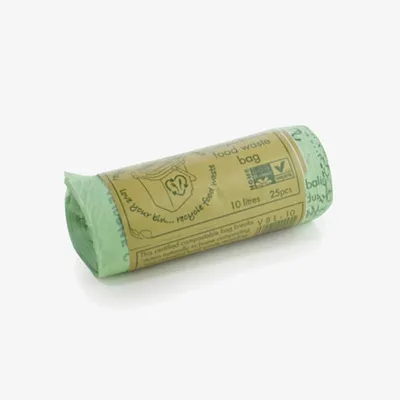
From 9.1p/unit · min 25
Quick Add
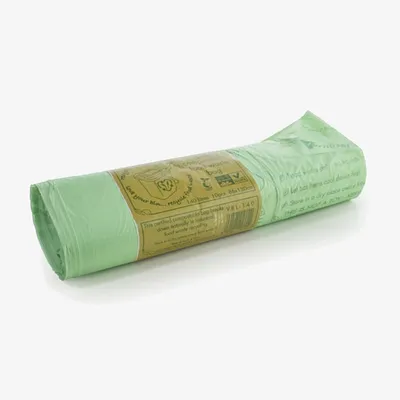
From 62.1p/unit · min 10
Quick Add
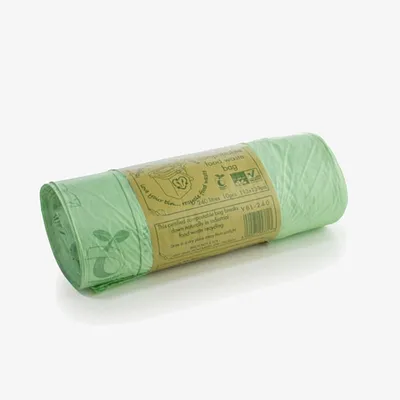
From 87.7p/unit · min 10
Quick Add
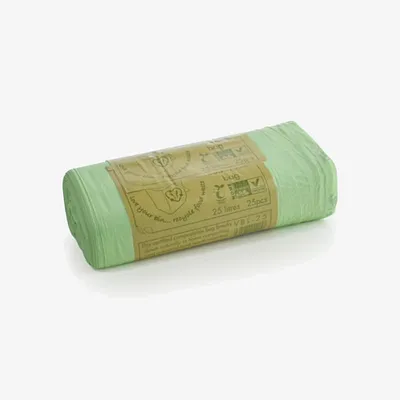
From 19.3p/unit · min 25
Quick Add
From 21.6p/unit · min 25
Quick Add
From 38.4p/unit · min 20
Quick Add
From 45.3p/unit · min 20
Quick Add
From 7.1p/unit · min 25
Quick Add
1.7p/unit · pack of 1,000
Quick Add
1.7p/unit · pack of 1,000
Quick AddVegware supplies and essentials covers the parts of the operation that sit alongside the customer-facing packaging: the round stickers used to seal a takeaway bag closed and brand the order, and the Completely range of compostable bin liners used to collect food waste and used packaging in the back of house. Both lines are EN 13432 certified, which matters more here than in the rest of the Vegware range because these are the products that actually carry the post-service compostable load to its disposal route. This guide covers what's in the range and how to size and stock both lines for an operation that already buys Vegware cups, containers, or tableware.
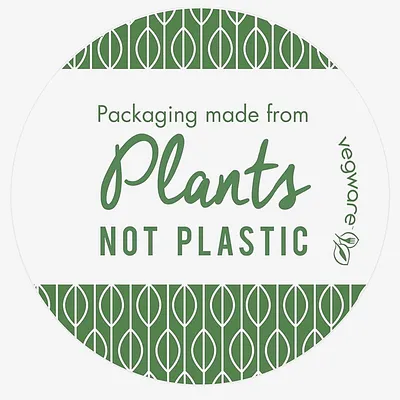
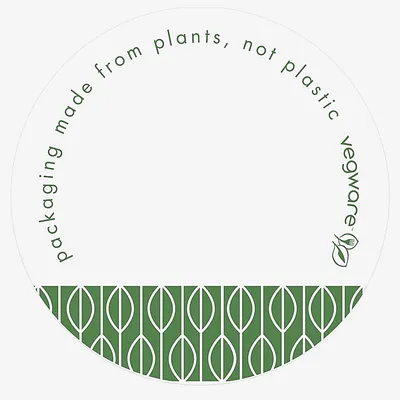
The Vegware sticker range serves two operational purposes that often get confused. The first is bag sealing: a round sticker placed across the fold of a takeaway flat bag tells the customer the bag has not been opened since the kitchen sealed it, which is a tamper-evident signal that delivery operations now treat as standard. The second is order labelling: the same sticker base, with a write-on surface, lets staff mark up the customer's name, order number, or dietary notes before sealing. The Vegware catalogue covers both with three SKUs: a plain Round Sticker for sealing, a Round Sticker Green Tree (sold in a roll of 1,000) for sealing with the brand's sustainability print, and a Round Write-On Sticker for labelling. All three share the same sticker base material, which is paper-based with a compostable adhesive so the sticker doesn't break the EN 13432 chain when the bag is composted.
For most takeaway operations, the right starting setup is a roll of plain or Green Tree stickers for sealing every bag plus a roll of write-on stickers for orders that need a name, allergen note, or batch identifier. The Green Tree print costs marginally more per sticker than the plain version but reads more clearly to customers as "compostable", which is the sustainability message the rest of your packaging is already making. The write-on sticker uses a matt surface that holds permanent marker and ballpoint pen reliably; biros write cleanly without smudging, and the ink does not bleed through the adhesive layer. For operations that print their own branded stickers separately, the plain Vegware round sticker can be used as a base layer underneath a custom print, but most operations are better off picking one sticker line and stocking it consistently.
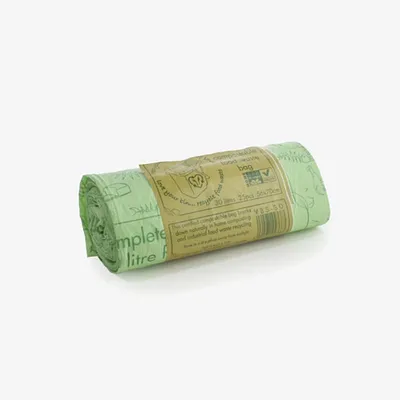
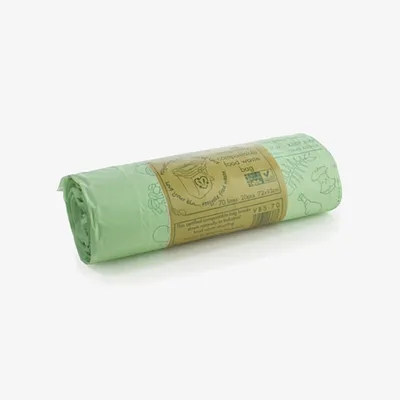
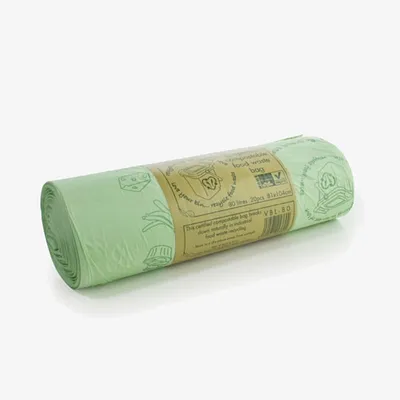
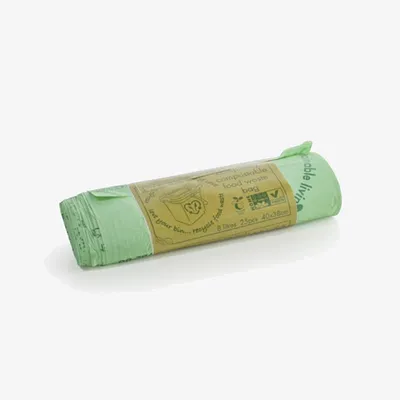
The Completely bin liner range is the back-of-house counterpart to the customer-facing packaging. The line is sized to match every standard catering bin format: 8L for under-counter food-waste caddies in cafes and small kitchens, 10L and 25L for kitchen prep bins, 30L and 70L for service-counter bin sleeves and pedal bins, 80L, 140L, and 240L for waste-stream wheelie bins and back-of-house collection. The "Completely" name is literal: the liner is fully compostable, including the adhesive seam, so a bagged bin of food waste plus used Vegware packaging can be tied off and dropped into a council food-waste collection or commercial composter without sorting. Conventional plastic bin liners would have to be opened, emptied, and the liner sent separately to general waste, which doubles the labour and breaks the compostable chain.
Liner-to-bin sizing is the operational detail that decides whether the Completely range works smoothly or annoyingly. For a 25L pedal bin, a 25L liner sits flush with the rim with no excess to fold over; this works for clean kitchens but leaves no margin for over-filling. A 30L liner in the same 25L bin gives 5L of fold-over headroom and is the better choice for busy service. For wheelie bins, oversize the liner by 10L to 20L over the bin's rated capacity so the liner skirts over the rim and stays in place when the lid closes. The 240L liner is the largest in the range and matches the standard commercial wheelie bin used for kerbside collection. Stock liner sizes that match the actual bins in your operation, not the bins you might buy later. A wrong-size liner is the back-of-house equivalent of a wrong-series cup lid: it works imperfectly, costs more in tape and re-bagging, and creates daily friction at exactly the moment when speed matters most.
The single most important question to confirm before stocking compostable bin liners is whether your local council or commercial waste contractor actually accepts them in the food-waste stream. Some councils require uncoated paper liners only and reject PLA-based or compostable plastic-style liners; some accept any EN 13432 certified liner; some run separate collections for compostable packaging and food waste. The Completely range carries EN 13432 certification, which is the ground-state requirement, but certification alone does not guarantee acceptance at the disposal point. For commercial kitchens, the same question applies to the contractor that empties your back-of-house waste: confirm in writing that compostable liners and their contents are accepted, ideally with the contractor naming the certification standard they require. Without that confirmation, the compostable liner ends in general waste the same as a conventional plastic liner, which loses the practical sustainability gain even though the brand investment is unchanged.
Stickers and bin liners both run at the low-cost end of the Vegware range on a per-unit basis but ship in large case sizes that put the per-case cash outlay in the same range as smaller cases of cups or containers. Round stickers ship in rolls of 1,000 and run about £10 to £20 per roll. Bin liners ship in cases that scale with size: small liners (8L to 30L) come in cases of 1,000 to 2,000 and run £25 to £50 per case; large liners (140L and 240L) ship in cases of 100 to 200 and run £40 to £80 per case. For a typical cafe doing 200 takeaway orders a week, one roll of stickers covers about five weeks of sealing volume; one case of 30L liners covers about three to four months of pedal-bin turnover. Buying liners in matched cases for each bin in your operation is operationally tidier than mixing pack sizes, and the per-unit savings on bulk are smaller for these lines than for cups or containers because the underlying material is cheap.
Vegware supplies and essentials is the narrowest part of the brand's range and the part that most directly closes the compostable loop: round stickers in plain, Green Tree, and write-on variants for sealing and labelling takeaway bags, and Completely bin liners in eight sizes from 8L under-counter caddies through 240L wheelie bins for back-of-house food-waste and packaging collection. The strongest case for the range is operations that have already committed to Vegware cups, containers, or tableware and want the sealing layer and the waste collection layer to share the same EN 13432 certification rather than mixing compostable packaging with conventional plastic liners. The trade-offs are a per-unit premium over conventional alternatives that is real but small in absolute pence, and the operational discipline of confirming with your council and waste contractor that the disposal route exists. For operations with that infrastructure in place, supplies and essentials is what makes the rest of the Vegware compostable packaging range work end to end.
Your cart is empty
Continue Shopping