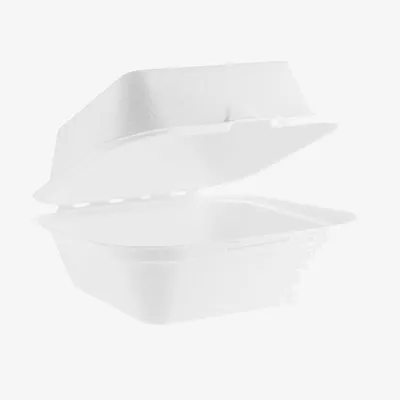
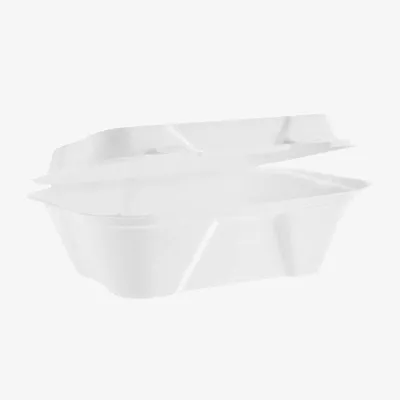
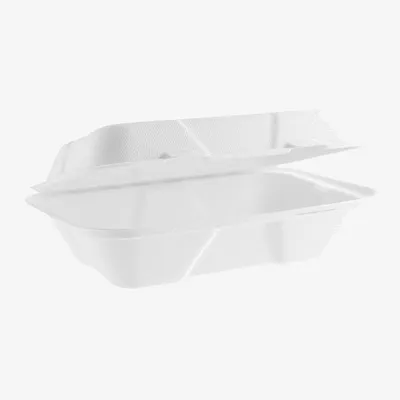
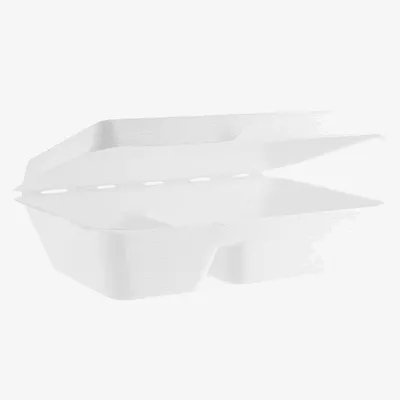
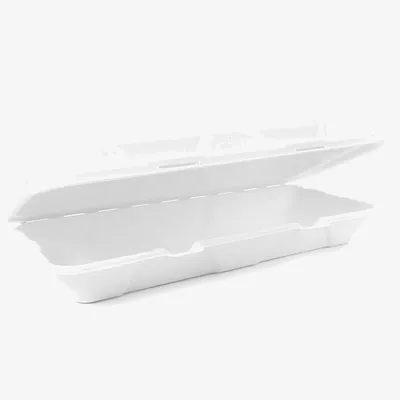
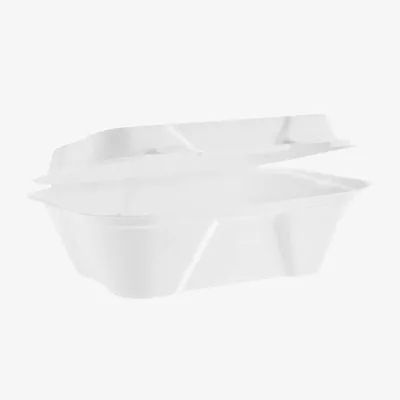
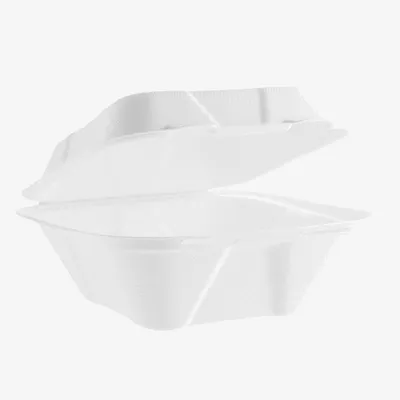
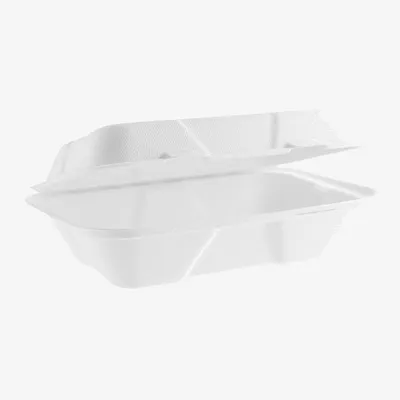
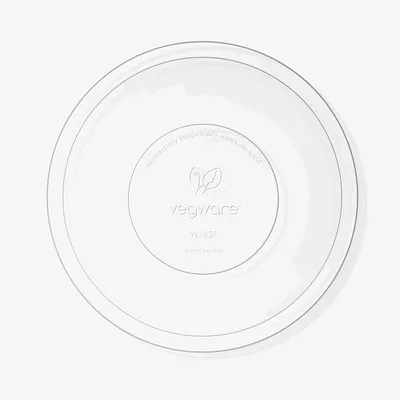
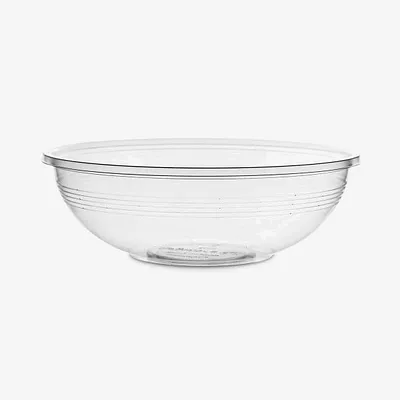
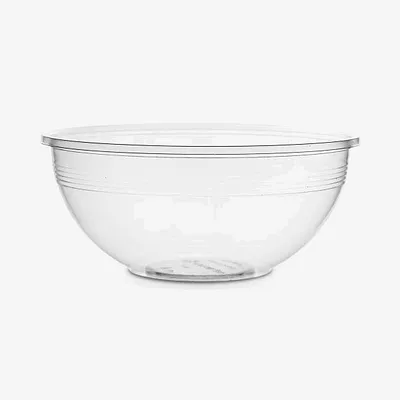
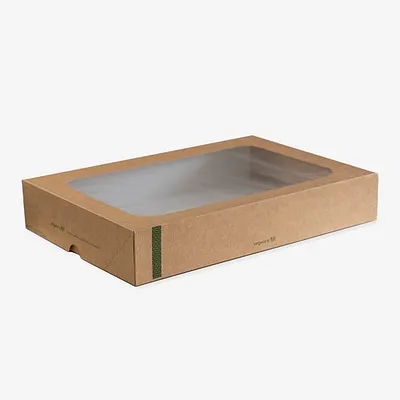
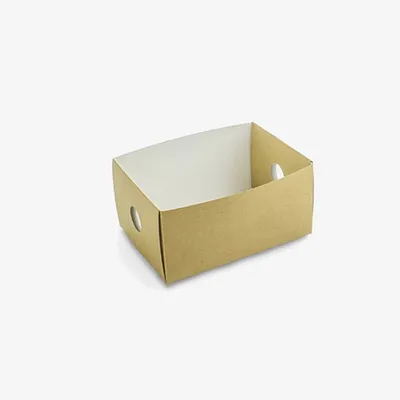
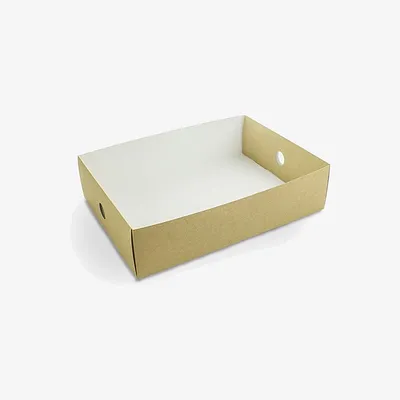
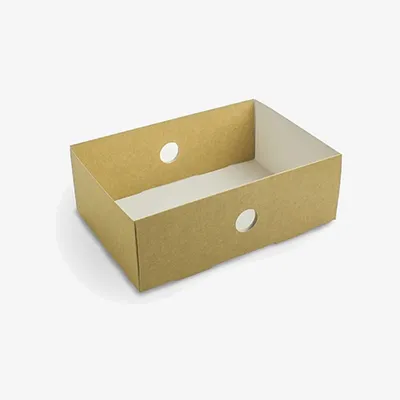
Vegware hot food packaging is the largest part of the brand's range and the part where the material choice matters most: anything that holds cooked, served, or delivered hot food has to handle heat, grease, steam, and weight without softening, leaking, or splitting. The hot range covers bagasse clamshells and burger boxes for traditional takeaway service, kraft food bowls and rectangular containers for noodles and rice, PLA-lined deli containers, soup cups in two series with hot and cold lid options, microflute corrugated boxes for fish and chips, and carry packs for full-meal transport. Every line is certified to EN 13432 for industrial composting. This guide covers how the range breaks down by service style and how to specify the right container for each menu item.
Key Factors to Consider
Material Choice for Heat
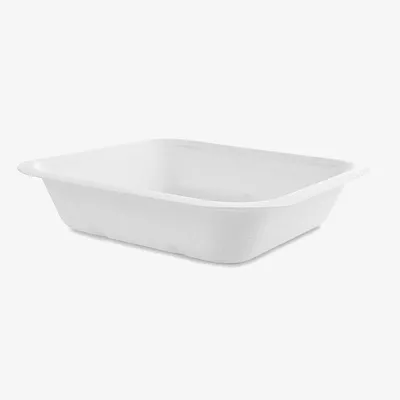
Hot food packaging across the Vegware range uses three different base materials depending on what the container has to do. Bagasse, the dry fibre left after sugarcane is pressed, is the workhorse of the hot range: rigid, grease-resistant, microwave-safe up to about three minutes, and stable from chilled to oven temperatures up to around 95°C. Used for clamshells, burger boxes, lunch boxes, gourmet bases, and chip trays. Kraft paperboard with a PLA inner lining replaces the conventional PE coating used in non-compostable equivalents and handles hot dishes well as long as the food is not oven-finished in the container. Used for round food bowls, rectangular food containers, soup cups, and portion pots. Microflute corrugated kraft is paperboard with a fluted middle layer for insulation: keeps hot food warm noticeably longer than single-wall kraft and is the format of choice for fish and chip shops and delivery operations where the food sits in transit. PLA clear is used only for lids and a small set of cold-side deli containers in the hot category, since PLA itself softens above 40°C and cannot hold hot food. For chilled service the dedicated cold food and salads range uses PLA clear for the display-driven items where presentation matters and the temperature stays below 8°C.
Bagasse Clamshells and Burger Boxes
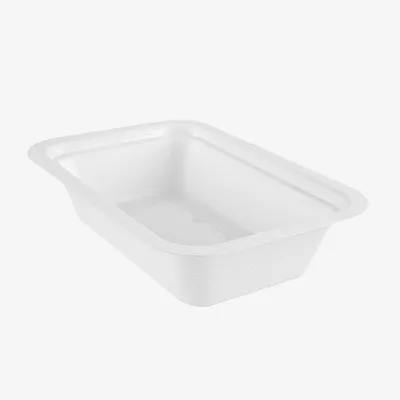
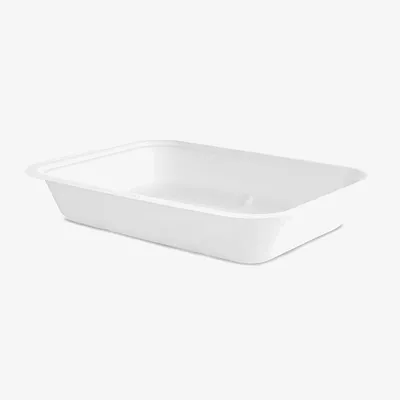
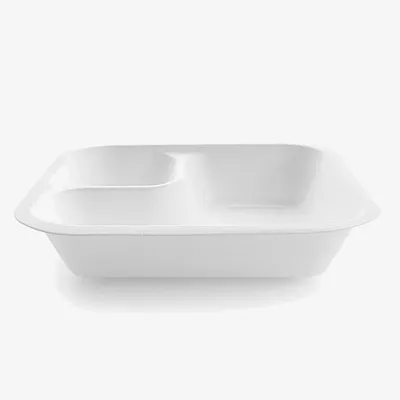
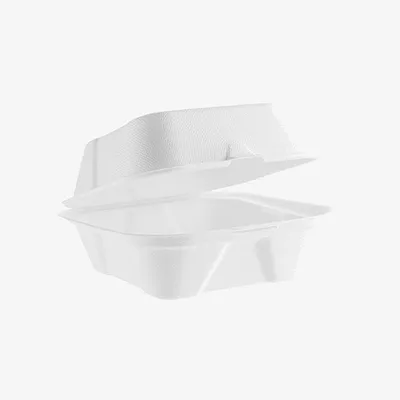
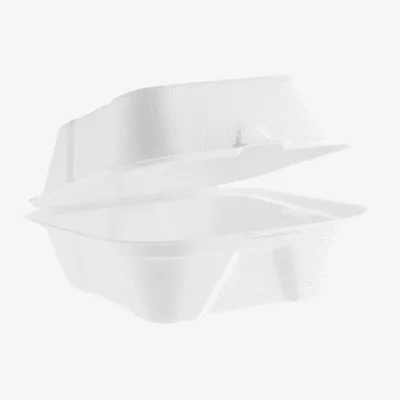
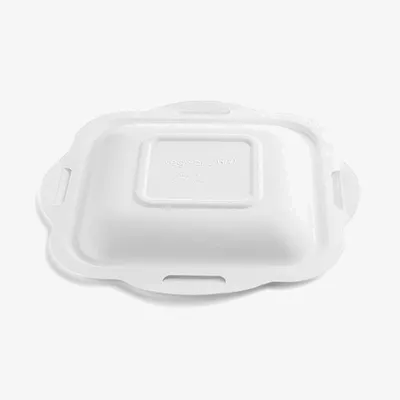
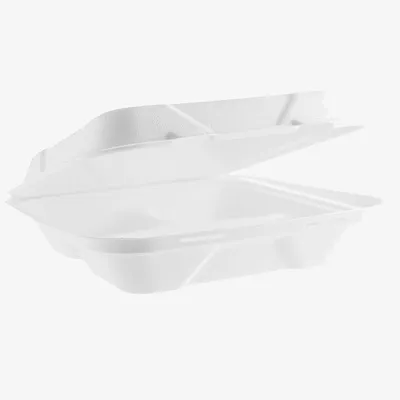
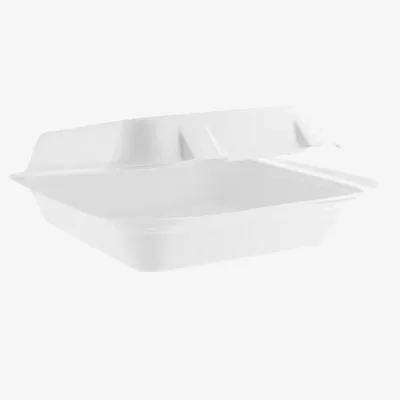
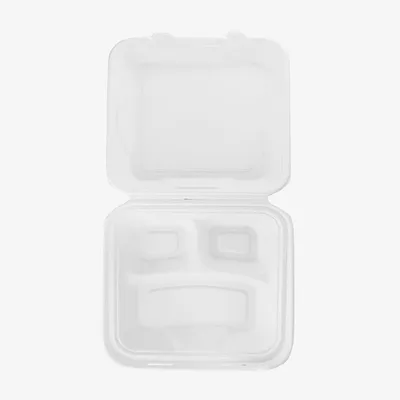
The bagasse clamshell range is structured around inch-based sizing. Standard clamshells come in 5in, 6in, and 7in. Heavyweight versions of the 5in and 6in clamshells use thicker walls and reinforced hinges for saucy or heavy dishes. The 2-compartment 6in clamshell segments the box for protein-and-side service: a curry and rice, a stir fry and noodles, ribs and slaw. Burger boxes follow the same logic in 5in and 6in versions, again with heavyweight options. The hinge is the failure point on bagasse boxes: standard hinges weaken with very heavy contents or repeated opening and closing, which is why heavyweight is worth the small premium for menus where the box gets handled hard. For most takeaway operations, a 6in standard clamshell plus a heavyweight 5in burger box covers the bulk of dish volume.
Food Bowls and Cartons
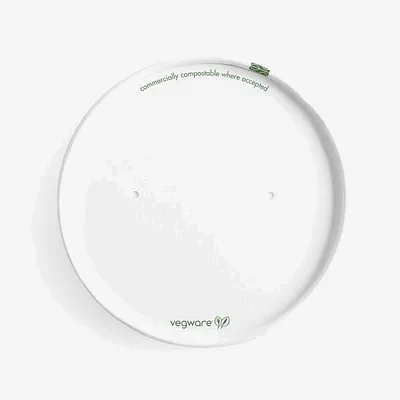
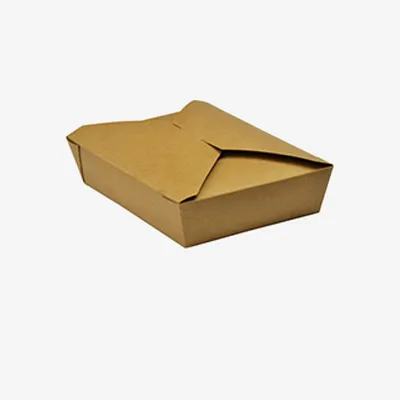
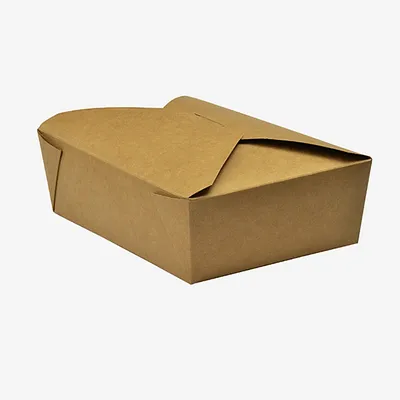
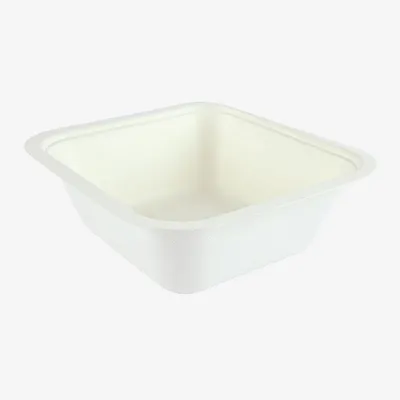
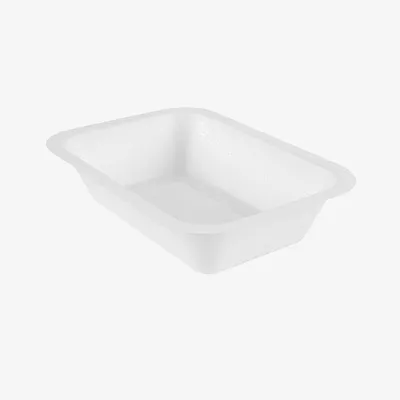
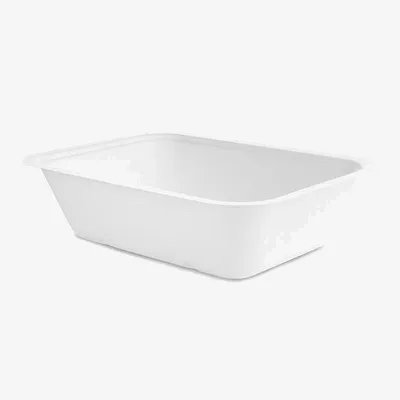
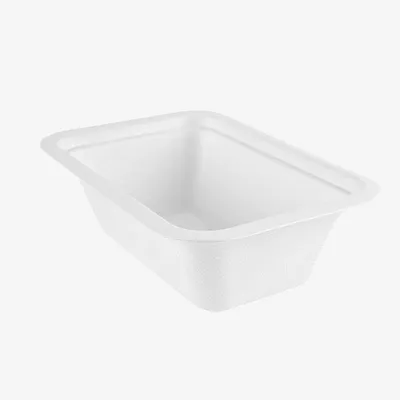
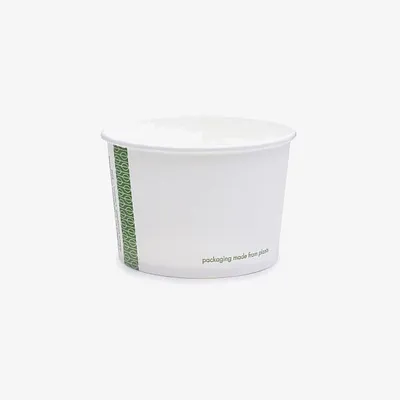
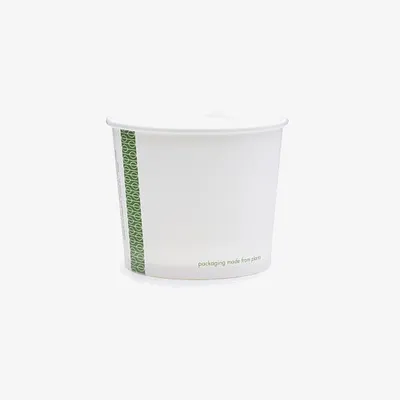
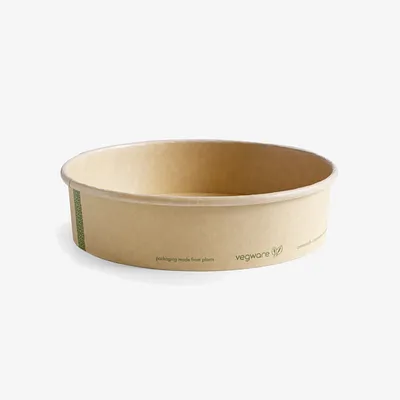
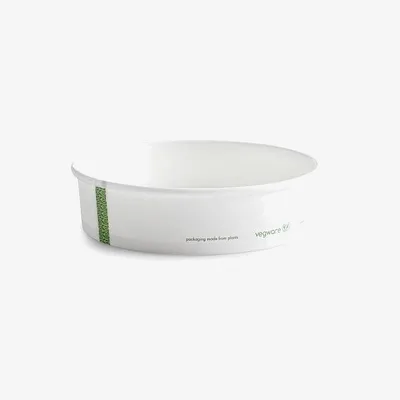
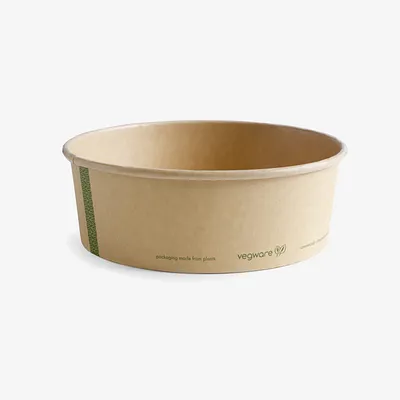
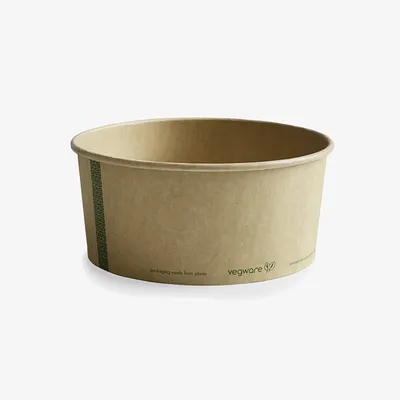
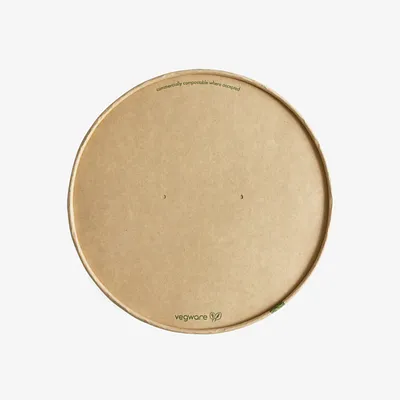
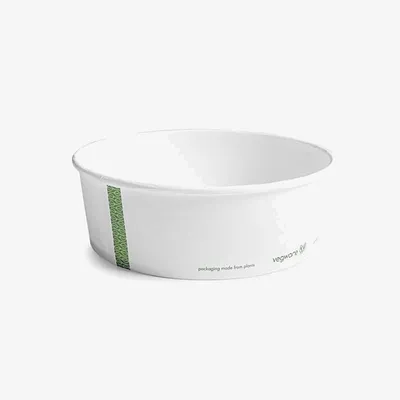
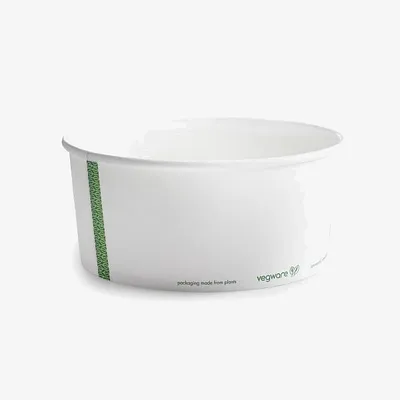
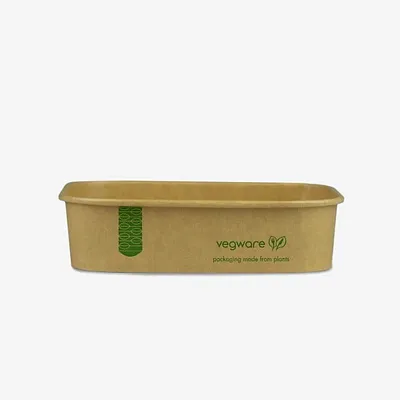
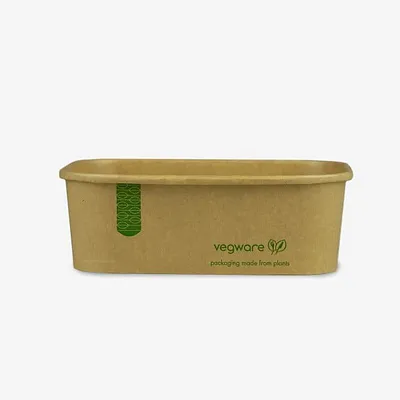
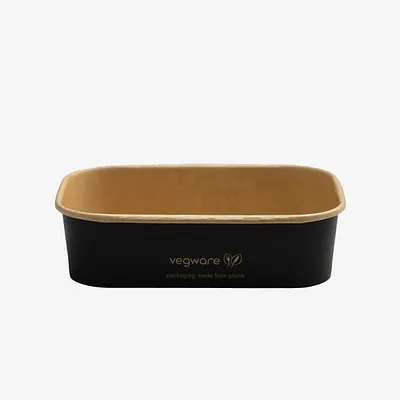
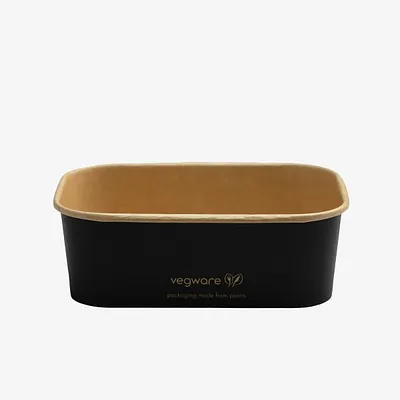
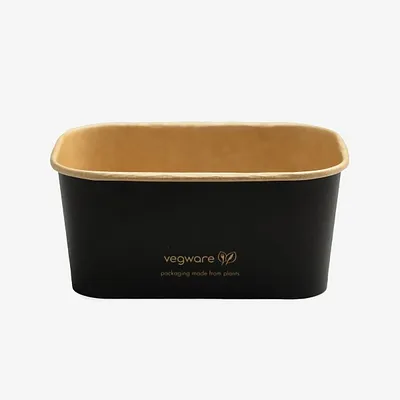
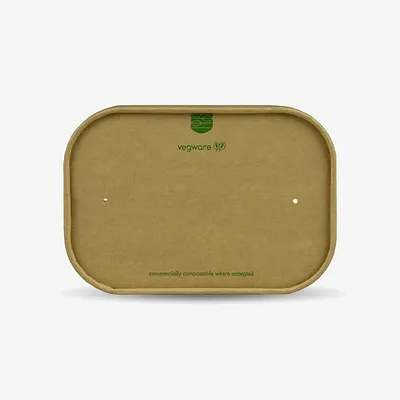
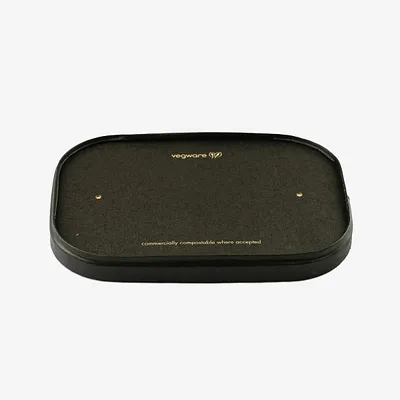
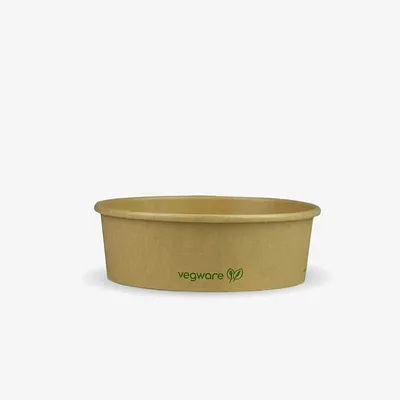
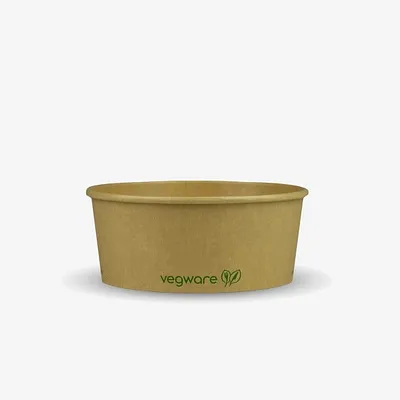
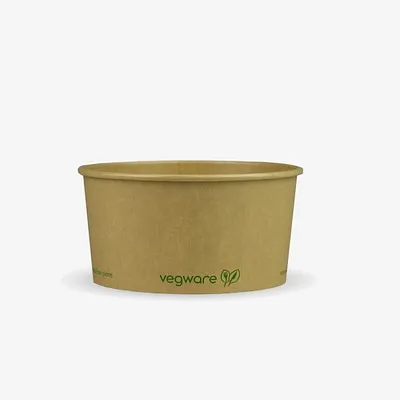
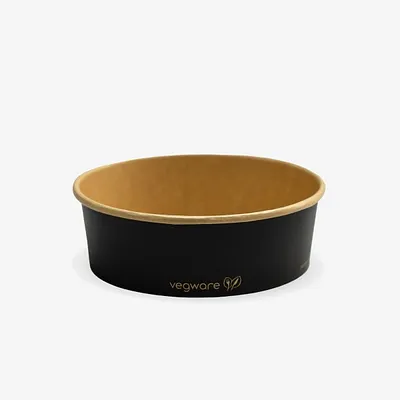
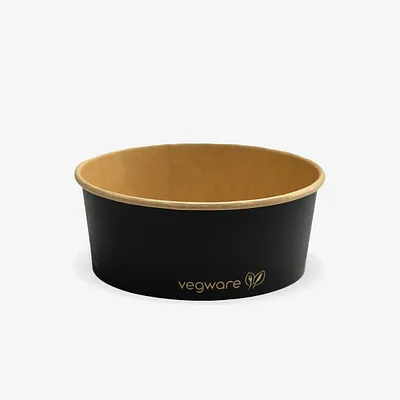
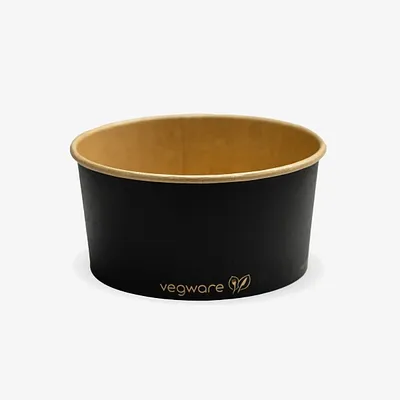
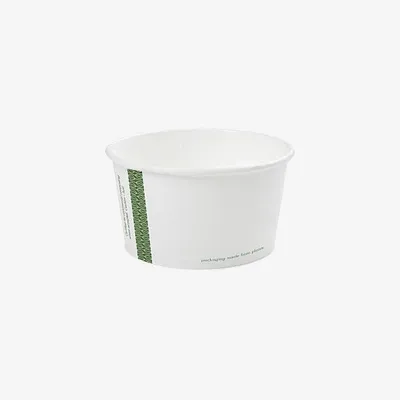
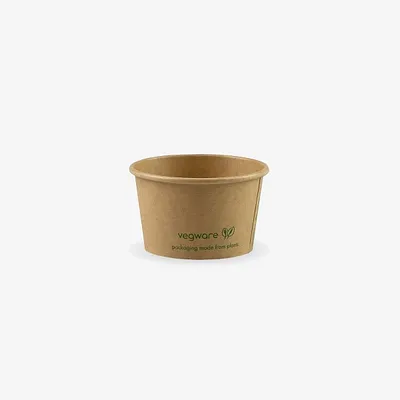
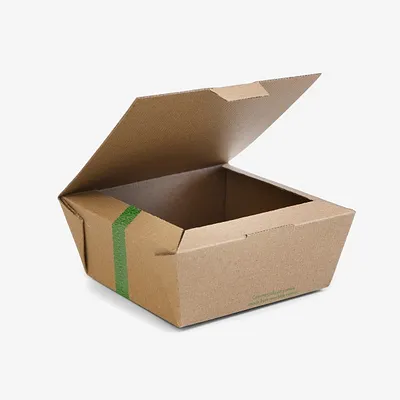
The Vegware kraft food bowl range standardises around the 185-Series for round bowls in 12oz and 16oz sizes. The 185 designation refers to the rim diameter, so all 185-Series bowls share lid compatibility with all 185-Series lids: lined or unlined, vented or flat, kraft or PLA clear. That lid commonality is the practical advantage of the series-based approach, the same way it works for Vegware cups. Lined Food Bowls have a PLA inner lining for moisture resistance with stews and saucy dishes; unlined versions suit drier rice bowls and grain dishes. Food cartons (No 2, No 3, No 5) are the classic Chinese-takeaway box format in 1050ml, 1500ml, and 1800ml capacities, useful for noodles, rice, and stir-fried dishes where the customer carries the box upright. Rectangular food containers suit baguettes, wraps, long items, and meal-prep portions. Square food containers suit stacking and meal-prep batch-cooking where storage geometry matters more than presentation.
Lids and Series Compatibility
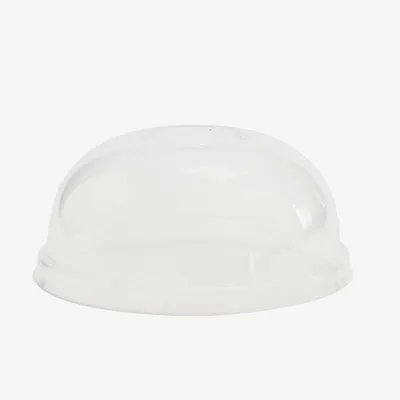
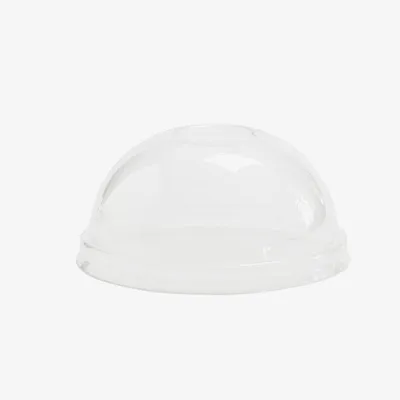
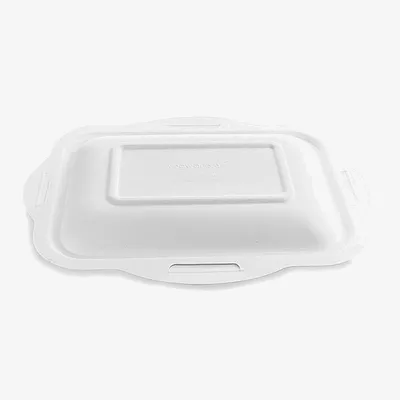
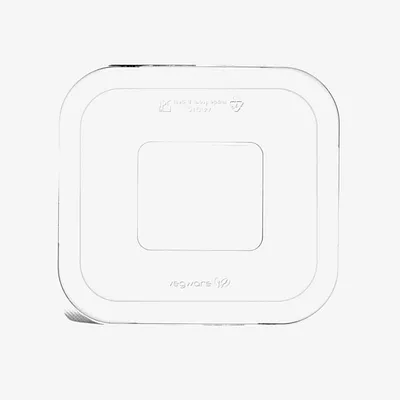
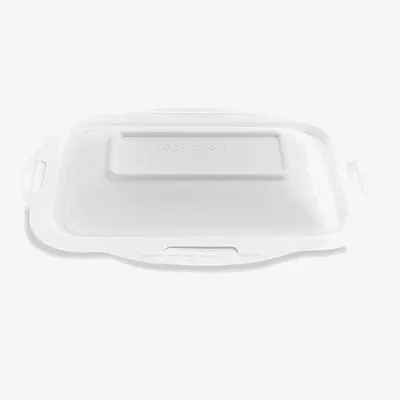
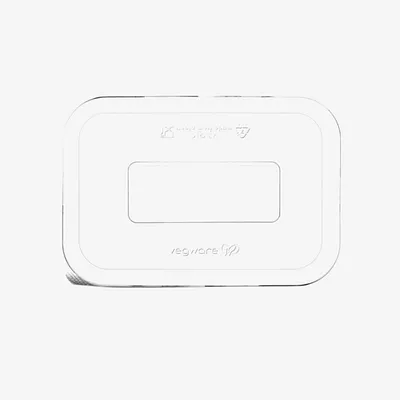
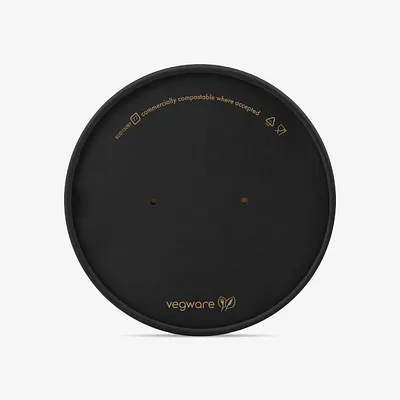
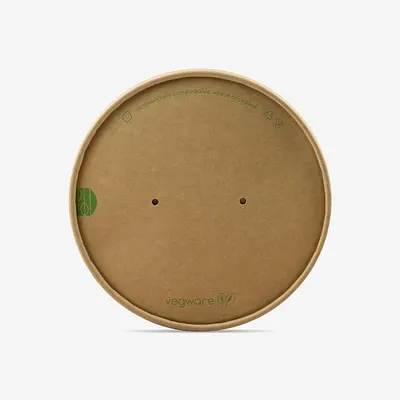
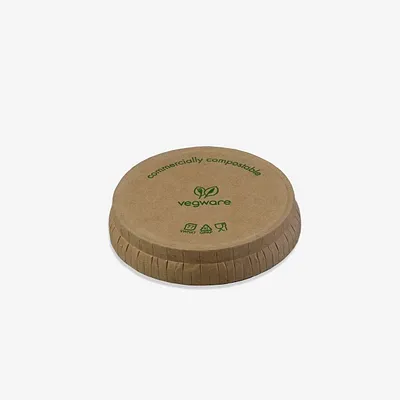
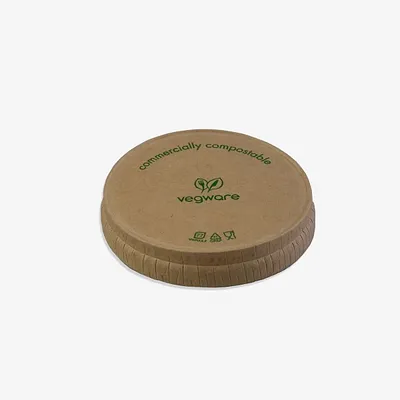
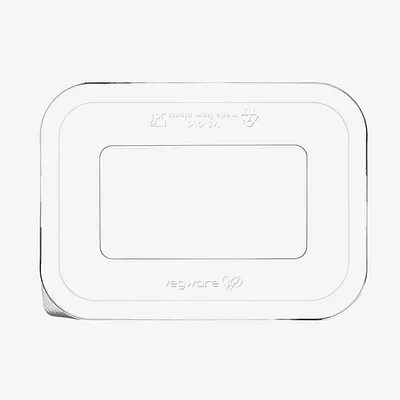
Lid management is where most Vegware hot food orders go wrong. The hot side of the range uses Size 3, Size 4, and Size 5 lids for the bagasse clamshell and gourmet base ranges, where the size number on the lid must match the size number on the base. The lined food bowl range uses 185-Series lids, in lined kraft, lined PLA, vented or flat, with a window option for visibility. Soup cups use 90-Series and 115-Series, with paper hot lids for hot soup and PLA dome lids for cold soups or smoothies served in the same cup. The rule across the range: never mix series. A 90-Series lid will not seat on a 115-Series cup, and a Size 4 lid will not seat on a Size 5 base. Stocking discipline at order time saves operational headaches at peak service.
Soup Containers
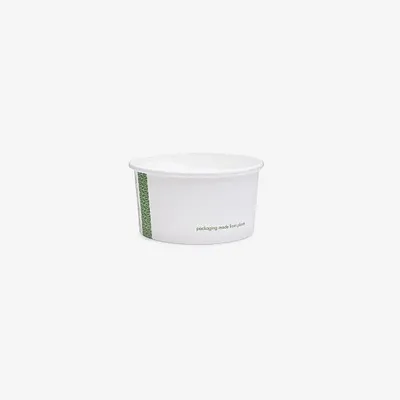
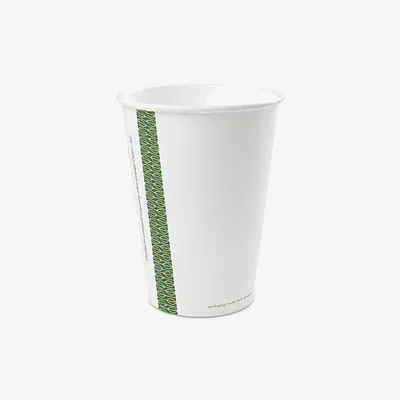
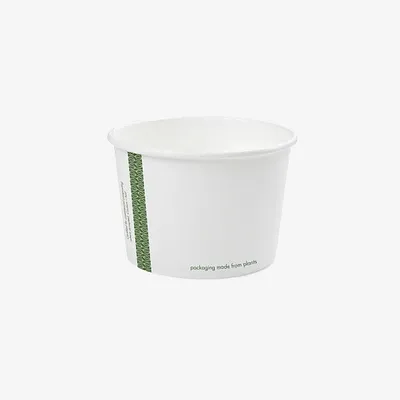
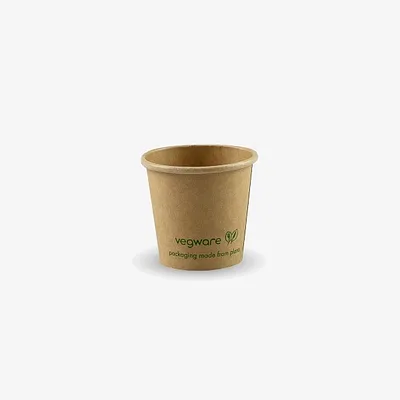
The soup range is narrow and tightly designed. 90-Series soup containers are the smaller cup, suited to single-serve soup portions of about 8oz to 12oz. 115-Series soup containers are the larger cup, suited to 16oz to 20oz portions. Both come in plain kraft and Green Tree printed variants, the printed version reading more clearly as "compostable" to customers who notice. Paper hot lids for both series are flat with a small sip-through opening, suited to actually drinking soup or drinking-style hot dishes. PLA dome cold lids for both series suit using the same cup for cold smoothies or yoghurt parfaits in summer service, expanding the cup's usefulness across the menu without stocking a separate cold container. Confirm by feel that the hot lid is fully seated before handing a soup cup to a customer; the lid should click into place around the rim, not just sit on top.
Takeaway Boxes for Delivery
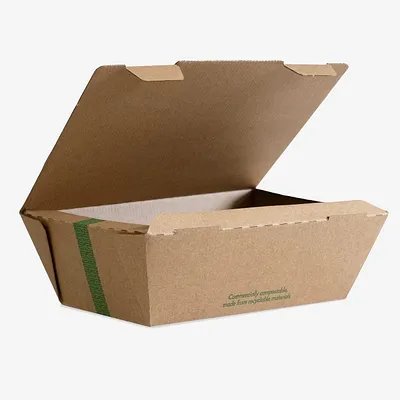
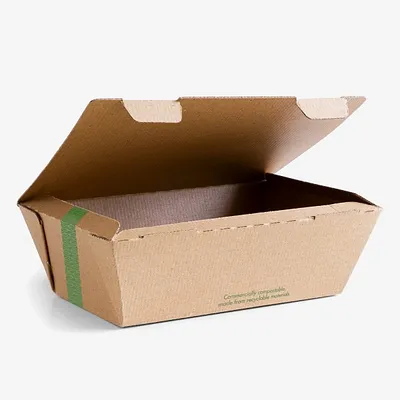
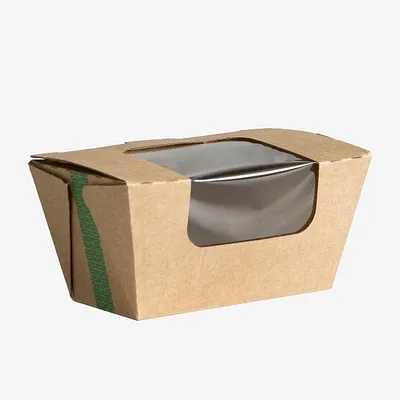
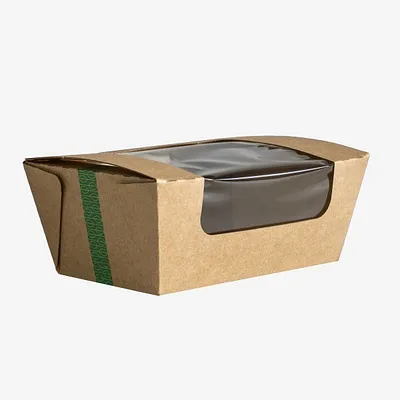
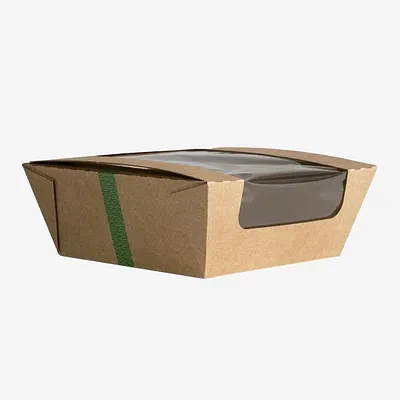
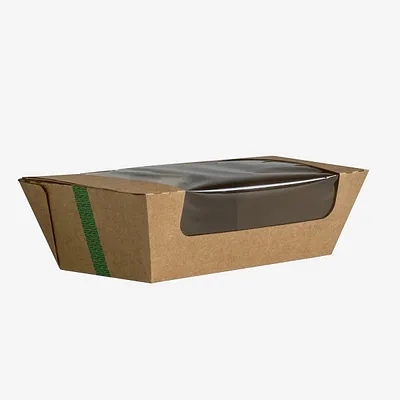
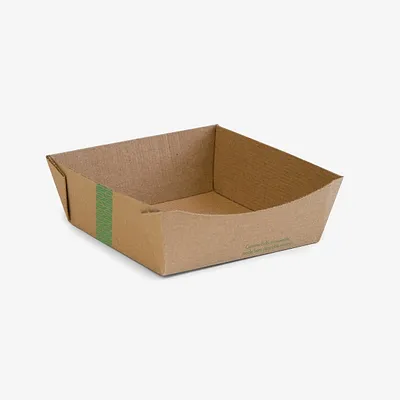
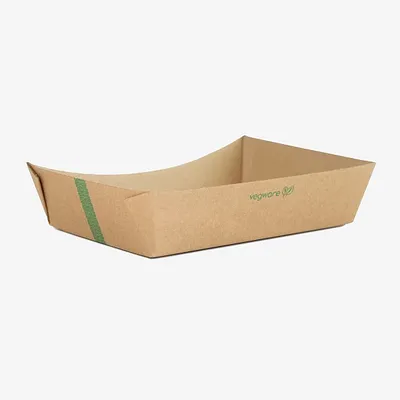
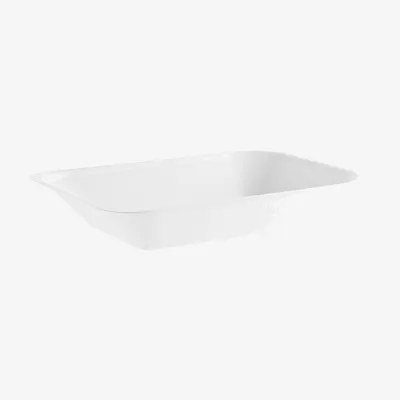
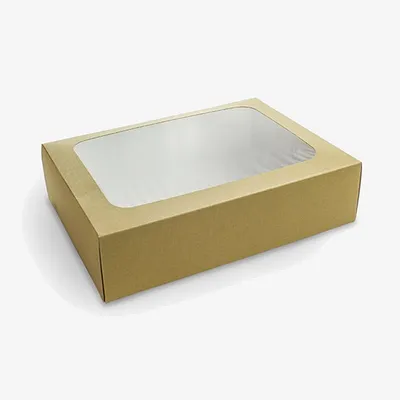
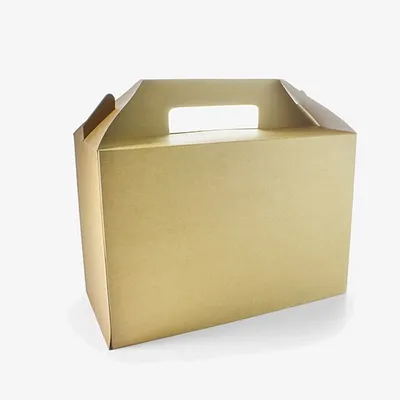
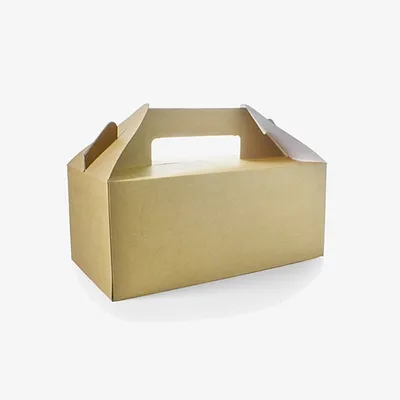
The takeaway box range is built around microflute corrugated kraft. Microflute hinged hot boxes in 4in, 5in, and 6in sizes are the format of choice for fish-and-chip shops, fried-chicken takeaways, and any delivery operation where the food has to hold temperature for 15 to 30 minutes in transit. The corrugated middle layer creates an insulating air gap that single-wall bagasse cannot match. Microflute hinged window hot boxes add a clear PLA window for visibility, useful for street food and event service where the customer picks up the box and wants to see what they're getting. Microflute food trays are open-topped and suit baskets-style service. Carry packs (standard and large) are the kraft handled carrier that holds a full meal of bagasse boxes plus drinks, designed for delivery riders or counter pickup of a multi-item order.
Cost and Operational Reality
Hot food packaging is the highest-volume and second-highest-cost line in most Vegware orders, after cups. Bagasse clamshells run 12p to 30p per unit depending on size and weight. Food bowls and cartons sit at 10p to 25p. Soup cups land at 8p to 15p with the lid adding 3p to 5p. Microflute hot boxes are the premium of the range at 25p to 50p depending on size and window option. Across the board, the per-unit premium over conventional plastic equivalents is real and can add 20% to 50% to packaging cost. The break-even argument for compostable hot food packaging has three legs: the brand position (visible to customers picking up takeaway), the single-stream waste argument (everything goes in one bin if you have access to industrial composting), and the regulatory tailwind around single-use plastic that increasingly favours compostable alternatives. None of these eliminate the cost premium; they justify it.
Compostability and the Reality of Disposal
Hot food packaging gets the customer takeaway scenario, where Vegware's EN 13432 certification is least practically useful: the customer takes the box home, eats the food, and disposes of it through whatever waste stream their council accepts. In areas with kerbside food-waste collection that accepts compostable packaging, the certification works as advertised. In areas without it, the box goes to general waste and ends in landfill the same as conventional packaging. The honest position to take with customers is that the certification is real, the disposal route depends on local infrastructure, and choosing compostable hot food packaging is a meaningful sustainability statement even where the disposal route is imperfect. The alternative, conventional PE-coated boxes, has neither the certification nor the optionality.
Pro Tips
- For a takeaway operation, stock 5in and 6in bagasse clamshells in standard weight, 5in heavyweight burger boxes, two food bowl sizes (12oz and 16oz lined), and two soup cup sizes (90-Series and 115-Series) with their matching paper hot lids. That covers about 80% of hot menu volume.
- Match lid series to base series at order time, not at restock time. A pallet of 12oz food bowls without their matching 185-Series lids is operationally useless; a pallet of Size 4 lids without their matching gourmet bases ties up cash for nothing.
- Heavyweight bagasse is worth the premium for menus with saucy curries, loaded burgers, or anything that gets stacked on top of itself in a delivery bag. Standard weight is fine for dry rice bowls, salads served hot, or single-portion takeaway.
- For delivery operations, use microflute hinged hot boxes for the hottest items in the order and pair them with a kraft carry pack to consolidate. The carry pack handles the bag function; the hot boxes hold temperature for the food inside.
- Don't bet on industrial composting in your customer marketing unless you've confirmed your local council and waste contractor actually accept Vegware packaging in their food-waste stream. Position the certification as the standard the packaging meets, not a guarantee about end-of-life disposal you don't control.
Summary
Vegware hot food packaging is the most varied and highest-volume part of the brand's range, covering bagasse clamshells, burger boxes, lunch boxes, gourmet bases and matching lids, kraft food bowls and rectangular containers in the 185-Series, food cartons in three sizes for noodles and rice, soup cups in 90-Series and 115-Series with hot and cold lid options, microflute corrugated hot boxes for delivery, and carry packs for full-meal transport. The strongest cases for the range are takeaway operations, fish-and-chip shops, street food vendors, and delivery kitchens that want a single brand and certification standard across every container that touches hot food. The trade-offs are a per-unit premium of 20% to 50% over conventional plastic, the operational discipline of matching lid series to base series, and the need to be honest with customers about the gap between EN 13432 certification and the practical disposal route in their local area. For operations committed to compostable service, the hot range is where the brand investment shows up most visibly to customers and most consistently in operational use. Hot food sits within the wider Vegware compostable packaging range, which also covers cups, cold food, tableware, bags, and back-of-house supplies under the same EN 13432 certification.