In the UK hospitality trade, every detail counts. While often overlooked, the humble paper napkin is one of the few items every guest will handle. For restaurant owners, catering managers, and hospitality buyers, selecting the right napkin is a strategic decision that impacts the guest experience, operational efficiency, and your bottom line.
This practical guide is designed for UK food service businesses looking to make informed choices about paper napkins, balancing quality, cost, and sustainability.
Why Your Napkin Choice Matters More Than You Think
In a competitive market, small touches separate the good from the great. The napkin you place on a table or include with an order is a tangible reflection of your standards. It's a functional item that communicates your commitment to quality without saying a word.
For busy restaurants and pubs or bars, the right napkin genuinely enhances the dining experience. A flimsy napkin that disintegrates is frustrating for a customer. In contrast, a soft, absorbent napkin adds a touch of comfort that subtly improves their perception of the meal and your venue.
But the benefits extend beyond guest satisfaction, directly influencing your operations and budget.
- Operational Efficiency: During a busy lunch service, dispenser napkins are invaluable. They control consumption, reduce waste, and improve hygiene. This means less staff time spent refilling stations and tidying tables.
- Cost Management: Opting for the cheapest 1-ply napkin can be a false economy. While premium napkins have a higher unit cost, matching the right product to the purpose prevents guests from taking a handful. One quality dinner napkin is often more cost-effective than three or four flimsy ones.
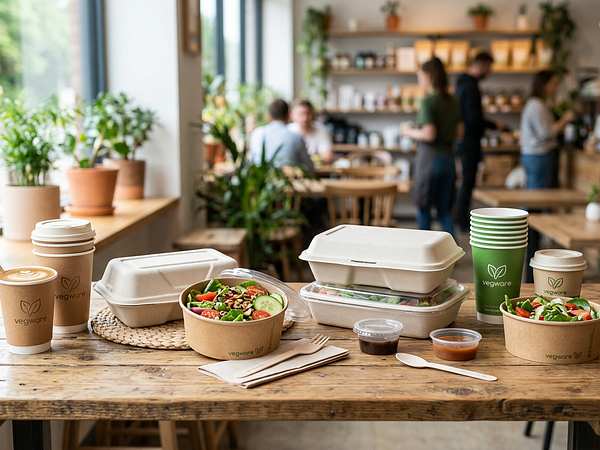
- Brand Reinforcement: Your disposables tell a story. From paper napkins and straws to takeaway containers and cups, they should all feel part of a cohesive brand experience. A café proud of its artisanal coffee should offer disposables that reflect that same level of quality.
Ultimately, choosing the right paper napkin is about more than just cleaning up. It's a savvy procurement decision that supports your brand, manages costs, and meets the unspoken expectations of your guests.
Paper Napkins: A Practical Guide to Ply, Folds, and Materials
Selecting the right paper napkin requires balancing guest experience, operational needs, and budget. Understanding the fundamentals—ply, material, and fold—is the key to making a procurement decision that serves your business well.
The term 'ply' refers to the number of paper layers in a napkin. The rule is simple: more layers mean greater softness, strength, and absorbency.
Ply Explained: From Economy to Premium
Ply count is the quickest indicator of a napkin's quality and intended use. Each level offers a distinct balance of cost and performance, tailored for specific hospitality environments.
- 1-Ply (Economy): The workhorse of the industry. This single layer of paper is the economical choice for high-volume, low-mess applications. It's ideal for fast-food counters, takeaway services, and situations where basic functionality is the priority.
- 2-Ply (Standard): This is the industry standard for most table service settings. By bonding two layers together, 2-ply napkins offer a noticeable improvement in softness and absorbency over 1-ply, providing reliable quality for busy restaurants and pubs without being prohibitively expensive.
- 3-Ply (Premium): When the goal is to impress, 3-ply is the answer. The additional layer provides a plush, durable quality that feels closer to linen. These are best suited for fine dining, upscale cocktail bars, and events where every detail contributes to a premium atmosphere.
Material Quality: Recycled, Virgin, and Airlaid
While ply count is important, the material itself dictates texture, performance, and your environmental credentials.
You will primarily encounter recycled paper napkins and virgin paper napkins. Recycled options, made from post-consumer waste, are an excellent eco-friendly choice that performs brilliantly and demonstrates a commitment to sustainability. Virgin paper, made from fresh wood pulp, is known for its consistent softness and brightness.
For a true touch of luxury, airlaid napkins offer a unique, cloth-like texture. They are exceptionally soft and absorbent, providing the premium feel of linen without the laundry costs and logistical challenges.
Deciding on a material is a great opportunity to reflect your brand's values. If you're weighing up the feel of a recycled napkin versus an airlaid one, the best way to decide is to see them in person. You can always request free samples of our napkins to test them in your own establishment.
The industry-wide shift towards sustainable materials is clear. The UK market for machinery used to make paper napkins is expected to grow by 5.3% annually between 2025 and 2035, driven by demand for biodegradable and recycled products. Discover more insights about the UK paper product market on futuremarketinsights.com.
Here’s a quick reference to help you compare your options.
Napkin Ply and Material At-a-Glance Guide
| Napkin Type | Best For | Feel & Absorbency | Cost Profile |
|---|---|---|---|
| 1-Ply | Takeaways, food trucks, quick-service counters | Basic, functional absorbency for minor spills | £ |
| 2-Ply | Casual dining restaurants, pubs, cafes | Good all-rounder; soft and reliably absorbent | ££ |
| 3-Ply | Fine dining, upscale bars, special events | Plush and highly absorbent, linen-like feel | £££ |
| Airlaid | Premium dining, hotels, weddings | Superior softness and absorbency, very cloth-like | ££££ |
| Recycled | Any eco-conscious establishment | Varies by ply, but offers great performance | £-£££ |
Folding Styles: 1/4 Fold vs. Interfold
A napkin's fold is about function, not just presentation. The most common is the 1/4 fold, creating the classic square shape ideal for table settings or wrapping cutlery.
For self-service areas, interfold napkins are the superior choice. Designed for dispensers, they present the next napkin as one is taken. This simple mechanism controls usage, reduces waste, and improves hygiene—an efficient solution for canteens, food halls, and quick-service venues.
Matching the Right Napkin to Your Setting
Choosing the right paper napkins is a detail that defines your establishment's character. The napkin that suits a lively pub would be out of place in a fine-dining restaurant. Matching the product to the setting is essential for both customer experience and cost control.
Different environments have distinct needs for size, strength, and dispensing method.
Cocktail Napkins: Drinks, Canapés, and Bar Service
For pubs and bars focusing on drinks and light bites, the cocktail napkin is essential. These smaller, typically 2-ply napkins are perfectly sized for placing under a glass to absorb condensation or for serving with canapés.
Their compact size makes them highly cost-effective and reduces unnecessary waste; a full-sized dinner napkin would be excessive. They provide a necessary touch of service without inflating costs, making them a staple for any bar or lounge.
Lunch/Dinner Napkins: Table Service
When guests are seated for a full meal, the napkin becomes an integral part of their dining experience. Larger lunch or dinner napkins are required for better coverage and absorbency. For most casual dining restaurants, a quality 2-ply napkin provides the ideal balance of performance and price.
For a more upmarket feel, upgrading to a 3-ply or a luxurious airlaid napkin can subtly elevate the entire meal. It’s a small investment in quality that reinforces your commitment to a superior guest experience.
This visual guide can help you map out the best napkin for your hospitality setting.
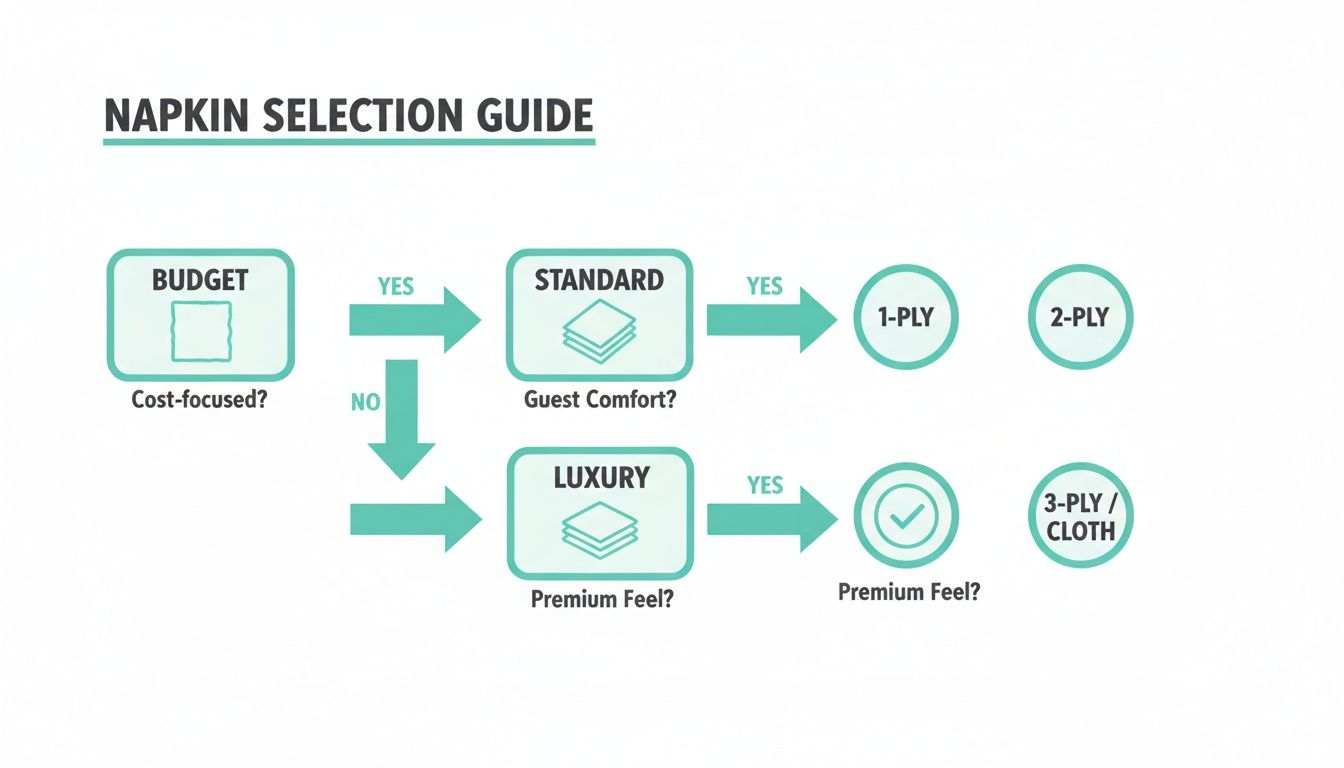
As the flowchart illustrates, the decision often involves balancing your budget with the level of comfort you wish to provide, guiding you toward 1-ply, 2-ply, or 3-ply options.
Dispenser Napkins: Self-Service and Fast Food
In high-traffic, self-service environments like canteens, fast-food outlets, and food trucks, efficiency and hygiene are paramount. This is where dispenser napkins excel. Their interfold design is a genuine operational advantage.
By presenting just one napkin at a time, these systems prevent customers from grabbing a large stack. This simple change can reduce your napkin consumption by up to 25% compared to loose napkins.
This controlled dispensing not only cuts waste and saves money but is also significantly more hygienic. Guests only touch the napkin they intend to use, reducing contact points—a critical consideration in any food service environment.
If you are considering different types for your venue, you can always request free samples of our napkins to try before you commit to a bulk order.
Making Sustainable Choices That Are Good for Business
Embracing sustainability is no longer a niche concern; for UK hospitality businesses, it is simply good practice. When choosing disposables like paper napkins, selecting eco-friendly options is an opportunity to strengthen your brand, build customer loyalty, and run a more efficient operation. It's about making positive choices, not preaching.
For many restaurants and pubs, switching to recycled paper napkins is an easy and impactful first step. They perform just as well as virgin paper counterparts and send a clear signal about your commitment to reducing waste.
The Real Impact of Sustainable Sourcing
Opting for recycled materials has a tangible impact. The UK paper industry is vast; in 2022, tissue products like napkins accounted for approximately 936,000 metric tons of paper and board. By choosing recycled products, you help reduce the demand on virgin forests. You can see the full UK paper consumption stats on statista.com.
This isn't just an operational detail; your customers notice. An environmentally conscious approach can become a powerful part of your brand story, connecting with patrons who share those values. You can learn more by exploring our complete guide to eco-friendly packaging options.
Sustainable thinking extends beyond the napkin material itself. A well-designed dispenser system is more hygienic and can significantly reduce consumption—a clear win for both your budget and the environment.
Beyond Recycled Materials
While recycled napkins are an excellent start, other sustainable options are available to suit any brand.
- Unbleached Napkins: With a natural, kraft-brown appearance, these are perfect for a rustic or organic aesthetic. By skipping the chemical bleaching process, their environmental footprint is further reduced.
- FSC-Certified Napkins: If using virgin paper is necessary, look for the Forest Stewardship Council (FSC) logo. This certification guarantees the wood pulp is sourced from responsibly managed forests.
- Waste Reduction: The most sustainable action is often the simplest. Using the right napkin for the job—a small cocktail napkin for drinks, a dispenser napkin for self-service—prevents larger, more resource-intensive dinner napkins from being wasted.
Ultimately, integrating sustainability into your procurement is a smart, forward-thinking business decision. Not sure where to start? Asking for request free samples of our napkins is the best way to feel the quality for yourself.
How to Plan Quantities and Control Costs
Effective stock management for napkins is a crucial balancing act. Running out during a Saturday night service is unacceptable, but overstocking ties up cash and valuable storage space. By applying a few simple principles, you can refine your ordering process and manage your budget effectively.
Quantity Planning: Average Napkin Usage Per Cover
First, estimate how many napkins an average customer uses. This figure, known as 'usage per cover', varies significantly depending on your service style.
For a quick-service restaurant or a takeaway with a self-service point, you can estimate 1-2 dispenser napkins per person. The dispenser design naturally limits overconsumption.
In a casual dining setting like a pub or restaurant, usage increases. For typical table service, you should budget for 2-3 higher-ply napkins per cover. This accounts for the main meal and any additional spills.
It’s worth remembering that UK consumers get through a lot of paper tissue products. The average person is expected to use 2.0 kg in 2025, so it’s a non-negotiable part of the customer experience. This just reinforces why ordering accurately is so important—you need to meet that demand without creating a mountain of waste. You can read more about UK paper industry trends on statista.com.
Smart Procurement for Better Value
Once you understand your weekly or monthly usage, you can make smarter purchasing decisions. Buying paper napkins in bulk is the most effective way to lower your cost-per-unit.
Look for suppliers who offer benefits for larger orders, such as free delivery over a certain spend. This can lead to significant savings over the year and simplifies your stock budgeting.
Of course, the best way to feel confident before placing a large order is to see the product first-hand. You can easily request free samples of our napkins to check the feel and test the quality in your own venue. It’s the best way to make sure you’re happy with what you’re buying.
Branding: Turn Your Napkins Into a Marketing Tool
Your paper napkins can be much more than a functional item. With custom printing, this simple disposable becomes a subtle but powerful marketing asset, placing your brand directly into the hands of every customer.
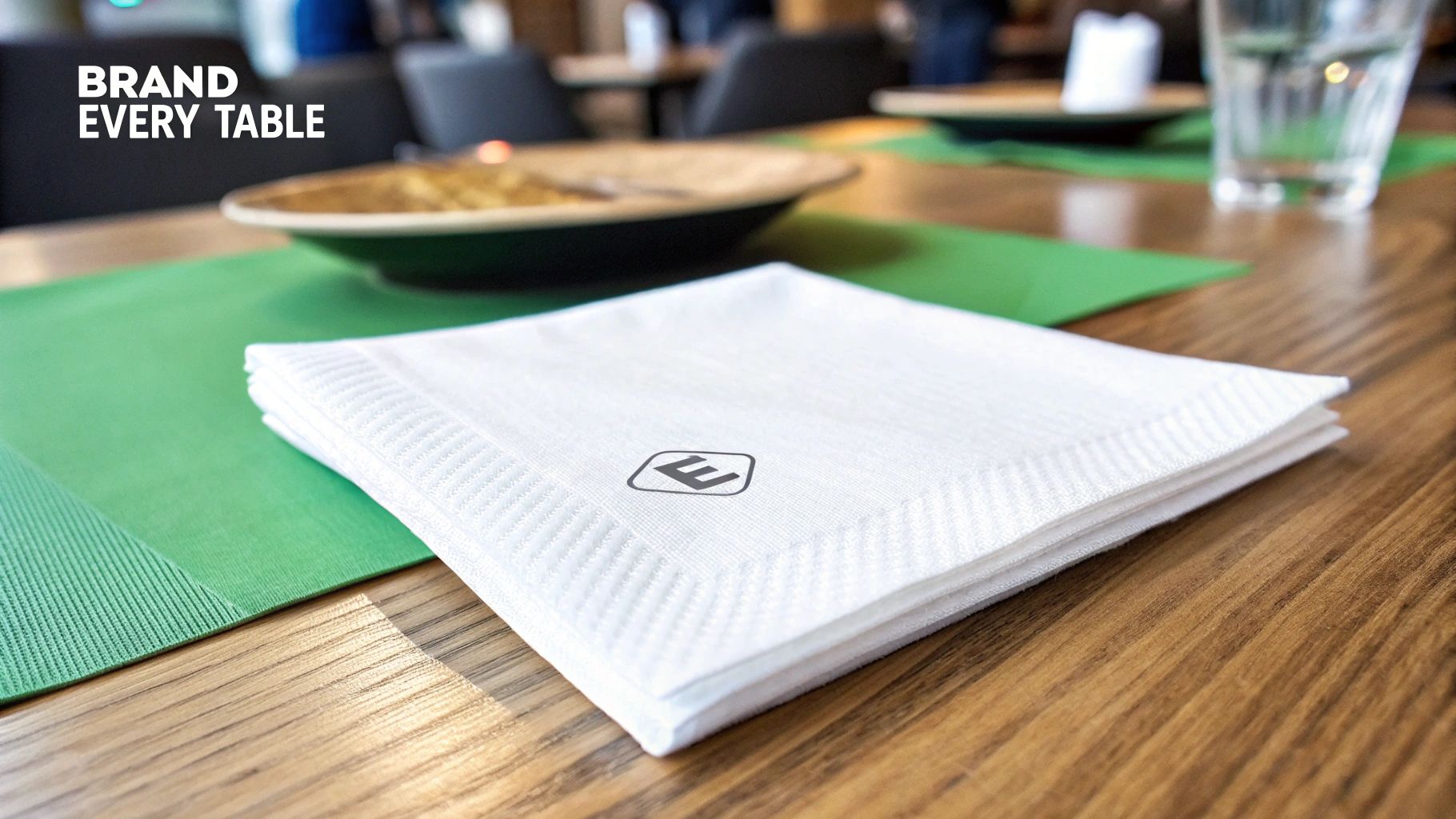
A well-placed logo elevates the table setting, creating a professional, cohesive feel. It's a detail that communicates quality and care, enhancing the perceived value of your offering. Custom branding is no longer just for large chains; accessible printing options make it a viable choice for independent restaurants, cafés, and pop-ups.
Making Your Design Work
To maximise the value of custom printed napkins, stick to a few key design principles.
- Go Bold and Simple: A clean, high-contrast logo or a straightforward graphic makes a stronger impression on the textured surface of a napkin than an intricate design.
- Think About Colour: Consider how your brand colours will appear on a white or natural kraft napkin. Often, a single-colour print offers the most striking and cost-effective finish.
- Match the Vibe: The design should align with your brand identity. A quirky illustration suits a lively café, while a classic monogram is more appropriate for a fine-dining restaurant.
Every branded napkin, cup, or takeaway container works together to build a strong, memorable brand. It's about creating a consistent look and feel across all customer touchpoints, turning everyday disposables into powerful tools for recognition.
This consistent approach is a hallmark of professional service and helps to build customer trust and familiarity. To see how this thinking can be applied across your entire range of disposables, you can read our insights on effective branding for your business.
Got a Question About Paper Napkins? We've Got You Covered.
To help you finalise your decision, here are answers to some of the most common questions we hear from hospitality professionals choosing napkins for their businesses.
1/4 Fold vs. Interfold Napkins: What's the Real Difference?
A 1/4 fold is your classic table napkin, folded in half twice to form a square. This is the style you’ll typically see set with cutlery in a pub, café, or restaurant.
Interfold napkins, on the other hand, are engineered for dispensers. They are folded so that pulling one out presents the next, ready for use. This system is ideal for improving hygiene and reducing waste in high-traffic, self-service areas like canteens or quick-service restaurants.
Are Recycled Napkins Just as Good as Virgin Paper?
Absolutely. Modern recycling technology ensures that today's recycled paper napkins offer excellent quality, strength, and absorbency, suitable for nearly any hospitality environment.
While there might be a subtle difference in texture, choosing recycled products is a positive step for sustainability. If you're unsure, we always recommend getting a free sample. It’s the best way to feel the quality for yourself.
How Much Should I Actually Budget for Custom Printed Napkins?
The cost is likely more accessible than you think. It primarily depends on the number of colours in your design and the order quantity.
Custom printing is one of the most cost-effective marketing tools available, particularly for independent businesses. With low minimum order quantities, even local cafés can benefit. The small investment per napkin delivers a significant return in brand recognition and customer impression.
At Afida, our mission is to supply top-quality, sustainable disposables that help UK hospitality businesses stand out. From custom-branded napkins to eco-friendly cups and food containers, we've got the products and the know-how you need.