Let's be honest, in the whirlwind of running a food business in the UK, it’s easy to see takeaway packaging as just another line on the expense sheet. It’s a box. It holds food. Job done, right?
But what if we looked at it differently? What if that box wasn’t just a container, but one of the most powerful marketing tools you have?
Your Takeaway Boxes Are a Big Deal. Here's Why.
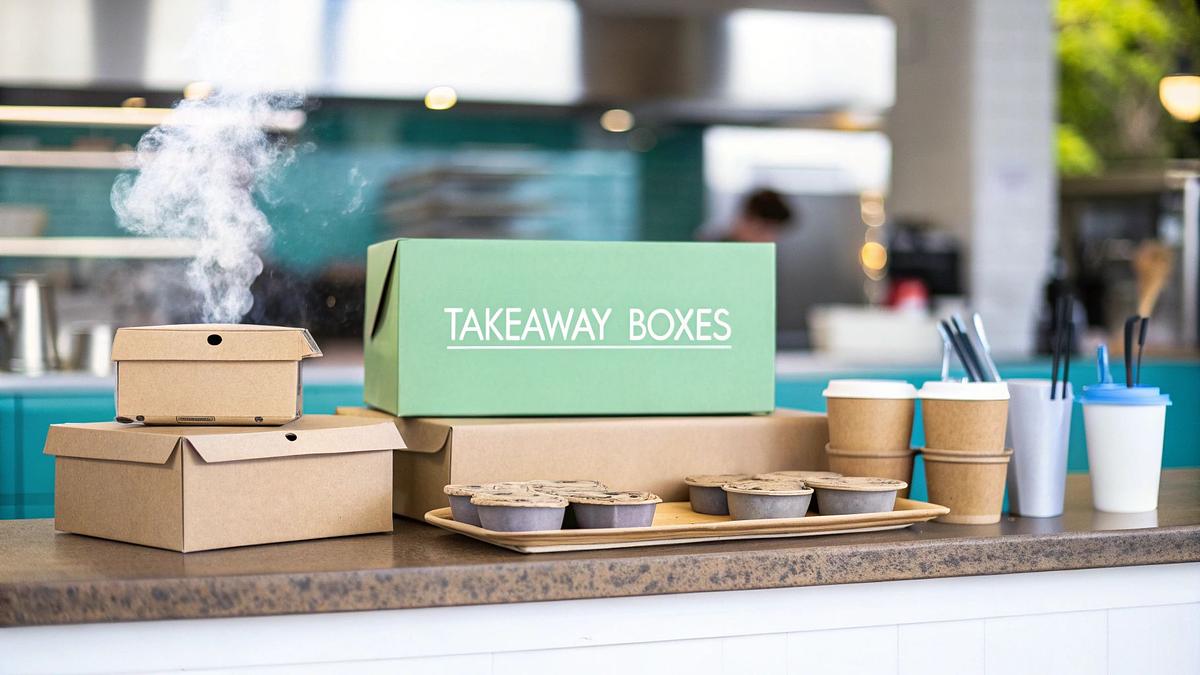
For many customers, your packaging is your brand. It’s their first physical interaction with your food once they leave your premises or the delivery driver drops it off. It's the final touchpoint long after they've finished their meal.
This guide is all about shifting that perspective. We're going to dive into how making clever packaging choices can do more than just get food from A to B; it can build your brand, delight your customers, and even win you new ones.
What Customers Actually Want Today
People don't just buy food anymore; they buy into a story and a set of values. And right now, sustainability is a massive part of that story. When a customer receives their meal in a flimsy plastic container, it sends one message. When it arrives in a sturdy, recyclable kraft paper box, it sends a completely different one.
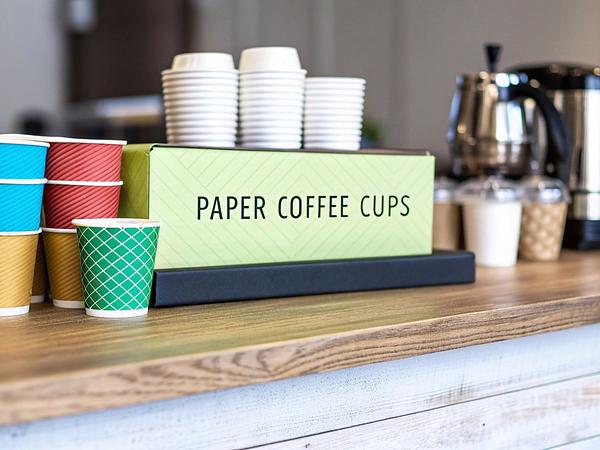
Choosing options like compostable cutlery, recyclable paper cups, or sustainable napkins isn't just about ticking an eco-friendly box. It's a loud and clear signal that you're a business that cares about its impact. This resonates strongly with a growing number of UK consumers.
This isn't a fleeting trend. The UK takeaway container market is growing steadily, and a huge chunk of that growth is driven by the demand for greener, better packaging. This is a brilliant opportunity for your business to get ahead. By opting for high-quality, sustainable packaging that actually works, you instantly set yourself apart. You can dig into more on these UK packaging market trends in recent industry analysis.
Think of it this way: your takeaway box makes a promise. It promises the food inside is every bit as amazing as when it left your kitchen. And it promises that you care about quality and responsibility just as much as your customers do.
Every single packaging decision you make, from the feel of a coffee cup lid to the structural integrity of a meal box, shapes how customers see you. It's your chance to make a fantastic impression that sticks around.
Matching Packaging Materials to Your Menu
Choosing the right material for your takeaway boxes is a lot like a chef picking ingredients—the quality of your foundation determines the final result. Your choice affects everything from whether a dish arrives hot and crispy to how a customer feels about your brand. Here in the UK, the sheer number of options can feel a bit daunting, but they generally boil down to a few key categories, each with its own strengths.
This isn't about finding one "perfect" material that does it all. Think of it more like building a smart packaging toolkit that’s perfectly matched to your menu. After all, the container you need to keep a salad crisp is worlds away from what's required to handle a piping-hot curry. Getting this right is the first step to making sure your takeaway experience is consistently brilliant.
At its most basic, packaging is just a container. But its real job is much bigger: it has to protect the quality of your food, tell your brand’s story, and reflect your commitment to sustainability.
As you can see, a simple box is never just a box. It’s a vital tool that upholds the standard of your food and communicates what your business stands for.
The Workhorses: Kraft and Paperboard
For most takeaways in the UK, kraft paper and paperboard are the undisputed champions, and for very good reason. Kraft paper, with its classic brown finish, gives off an immediate earthy, authentic vibe. It’s tough, durable, and naturally has some grease resistance, making it a fantastic choice for things like burgers, wraps, and chips.
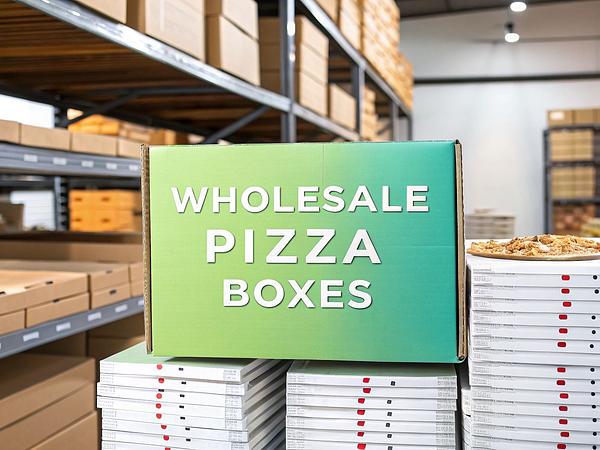
Paperboard is just as versatile but is often seen with a clean white or custom-printed finish. This makes it a great fit for cake boxes, sandwich wedges, and containers for lighter meals. Both materials are usually recyclable and made from sustainably sourced pulp, which is a big win for environmentally-conscious customers. For businesses serving up classic takeaway food, these materials offer a reliable and cost-effective solution. If you want to dive deeper into how kraft performs for specific items, we've got some great insights in our guide to choosing pizza boxes wholesale.
One of the most important decisions you'll make is choosing between coated and uncoated finishes. Uncoated kraft is fine for dry goods, but for anything with a sauce or a lot of grease, you'll need a thin, food-safe coating to stop leaks and keep the box from going soggy.
This small detail makes a massive difference. Imagine a customer getting a curry where the sauce has soaked right through the container—it's a one-way ticket to a bad review. That coated interior acts as a crucial barrier, ensuring your food arrives looking and tasting exactly as you intended.
Championing Greener Alternatives
Beyond the traditional paper options, customer demand for more sustainable packaging has spurred some fantastic innovations. Bagasse, which is made from the leftover pulp of sugarcane, is a brilliant example. It’s sturdy, microwave-safe, and fully compostable in a commercial facility. This makes it perfect for hot food containers and plates, giving off a premium feel that really suits an eco-conscious brand.
Another key player is rPET (recycled polyethylene terephthalate). Yes, it’s a plastic, but it’s made from recycled materials—mostly old drinks bottles. Its superpower is its crystal-clear transparency, which makes it the obvious choice for showing off colourful salads, cold noodle dishes, desserts, or fresh juices. Using rPET shows you’re serious about the circular economy by giving existing materials a new lease of life.
To help you decide, here’s a quick rundown of how these materials stack up.
Comparing Common Takeaway Packaging Materials
This table is a quick-reference guide to help you match the right material to your food, keeping performance, sustainability, and real-world use in mind.
| Material | Best For | Key Benefits | Sustainability Profile |
|---|---|---|---|
| Kraft Paper | Burgers, sandwiches, wraps, chips, dry goods | Strong, durable, rustic look, good grease resistance | Widely recyclable and often made from recycled content. |
| Paperboard | Cake boxes, lighter meals, sandwich wedges | Lightweight, smooth surface perfect for branding | Recyclable and compostable (if uncoated). |
| Bagasse | Hot, wet, and oily foods (curries, stir-fries) | Microwave-safe, great insulation, sturdy | Commercially compostable; made from a renewable byproduct. |
| rPET | Salads, cold desserts, fruit pots, smoothies | Crystal-clear for great presentation, durable | Made from recycled plastic; widely recyclable. |
Ultimately, choosing the right material really comes down to balancing performance, presentation, and your principles.
The best way to start is by doing a quick audit of your menu. List your most popular dishes and think about their specific needs. Are they hot, cold, wet, greasy, or delicate? By matching each dish with the material designed to protect it, you can be confident that every single order that leaves your kitchen is a perfect representation of the high standards you work so hard to maintain.
How Smart Design Improves Your Customer Experience
The material of your takeaway box is only half the story. The physical design—how it opens, closes, and holds your food—is what directly shapes your customer's experience. Get it wrong, and you’re looking at soggy chips, a spilt curry, and a frustrating meal for someone trying to eat on the go.
Smart design is all about making sure your food travels well, stays at the right temperature, and looks just as good when it arrives as it did leaving your kitchen. It’s about thinking through the entire journey, from the moment your staff pack the order to the final bite. A well-designed container isn’t just a box; it’s a crucial part of your service.
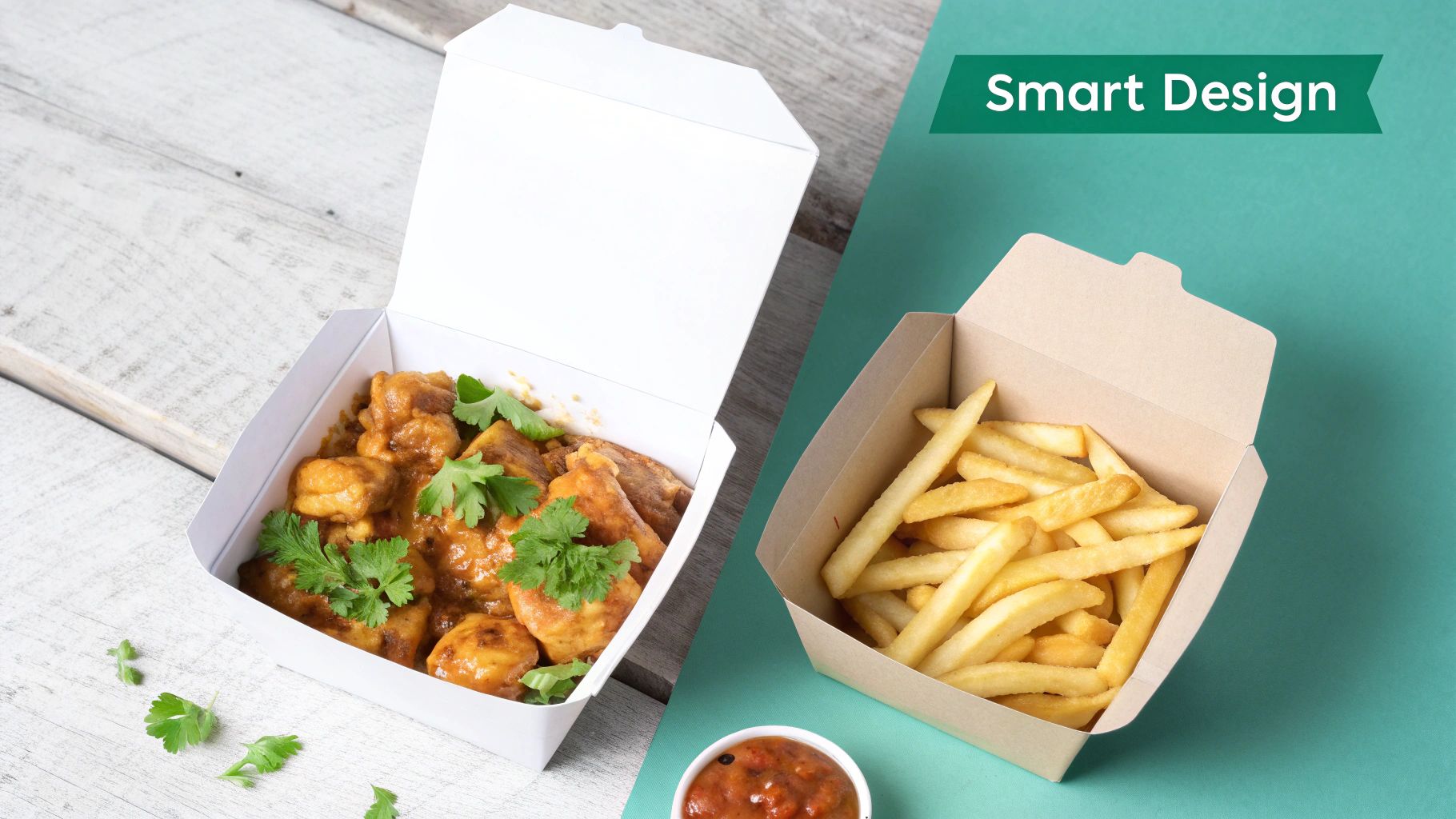
This attention to practical detail can turn a good meal into a great one, and it's often the little things that bring customers back time and again.
Keeping Food Fresh and Secure
First and foremost, a takeaway box has to protect the food. That means no leaks, holding the temperature, and preserving the texture you worked so hard to create. Different dishes need different design features to make this happen.
A hot, saucy curry, for instance, demands a rock-solid closure. Look for interlocking tabs or a fold-over lid that creates a tight seal. This gives both your delivery drivers and your customers peace of mind, preventing messy accidents and the unhappy reviews that follow.
On the other hand, fried foods like fish and chips need to breathe. Trapped steam is the arch-nemesis of anything crispy, quickly turning perfectly fried batter into a soggy mess. This is where vents come in.
- Vented Lids: Tiny, well-placed holes let steam escape, which is essential for keeping things like chips, onion rings, and battered fish crispy on their journey.
- Secure Closures: For anything wet and saucy, interlocking flaps, tuck-top lids, or clamshell designs are your best friends. They keep everything contained.
- Grease Resistance: If you’re serving up juicy burgers or fried chicken, a food-safe internal coating is non-negotiable. It stops oil from seeping through, which can weaken the box and create a mess.
These aren't just minor details; they're fundamental to delivering food that people will love.
Think of your takeaway packaging as an extension of your kitchen's quality control. A vented box for fish and chips is as important as getting the batter right, while a leak-proof container for soup is as vital as perfecting the recipe.
Streamlining Your Operations
It’s not just about the customer, though. Smart packaging design can make life a lot easier for your team during a hectic service. Anything that boosts efficiency in the kitchen and at the packing station helps you manage orders and get food out the door faster.
One of the biggest operational wins is stackability. Your containers need to stack neatly and securely without crushing the food inside or threatening to fall over. This is vital for organising big delivery orders and making the most of tight storage space. Boxes that arrive flat-packed and are a breeze to assemble also save precious time when you’re in the weeds.
When choosing your containers, ask yourself these practical questions:
- Ease of Assembly: Can your team put the boxes together in seconds during a rush? Simple fold-and-tuck designs usually beat anything too complex.
- Storage Footprint: Flat-packed boxes take up a fraction of the space of pre-formed containers. A huge plus for any stockroom.
- Stacking Stability: Do the containers have flat, stable tops and bottoms? This allows multiple orders to be bagged or carried safely without any drama.
Choosing packaging that is both customer-friendly and operationally sound is a smart investment. It creates a smoother workflow for your staff and a more reliable service for your customers, making sure every part of your takeaway operation runs like a well-oiled machine.
Making Sustainable Packaging a Smart Business Move
For any hospitality business in the UK today, going green isn't just a feel-good gesture anymore. It's become a sharp commercial strategy. Your customers are increasingly making decisions based on a brand's environmental credentials, and your packaging is one of the most visible ways you can show you’re on the right side of things. This shift is a golden opportunity to turn your takeaway boxes into a tangible story that connects with modern diners.
It really goes beyond ethics. Choosing well-designed, eco-friendly packaging can build serious customer loyalty and even pull in new business. A sturdy, recyclable container doesn't just hold food; it sends a message of quality and responsibility that stays with your customer long after they've finished their meal.
The sheer demand for thoughtful packaging is impossible to ignore. With the UK's food delivery scene absolutely booming, the need for takeaway boxes has shot through the roof. This trend has helped fuel a 4.23% global market growth rate, especially in busy hubs like London, Manchester, and Glasgow where convenience is everything. You can get a closer look at the numbers in a recent disposable food container market report.
Decoding Eco-Friendly Terminology
Let's be honest, the language around "green" packaging can be a bit of a minefield. Getting your head around a few key terms is the first step to making genuinely smart choices and, just as importantly, being able to tell your customers what you're doing and why.
- Recyclable: This is the most straightforward one. It means the material can be collected, broken down, and reprocessed into new products. Materials like kraft paper, paperboard, and rPET are widely recycled across the UK, making them a solid, responsible pick.
- Compostable: Think of materials like bagasse. These are designed to break down into natural, organic matter in a commercial composting facility. They're a brilliant solution for containers that get too soiled with food to be recycled.
- Biodegradable: This term can be a bit tricky. It just means the material will eventually break down, but that could take years and potentially leave microplastics behind. For a more reliable guarantee, look for specific certifications like "commercially compostable".
Spotting a logo like the FSC (Forest Stewardship Council) on your packaging is another great way to build trust. It’s a clear signal to your customers that your paper-based products, from cups and containers to napkins, are sourced from forests that are managed responsibly.
Practical Swaps and Cost Considerations
Making the switch to more sustainable options doesn't mean you have to tear up your budget. Think of it as a series of small, intelligent upgrades that, together, make a huge difference. The trick is to find that sweet spot where sustainability, performance, and cost all align.
For instance, swapping out old-school plastic straws for paper or other compostable alternatives is a small change that customers notice immediately. Yes, there might be a tiny increase in the cost per unit, but the goodwill it generates often more than makes up for it. In the same way, moving from plain plastic tubs to branded, recyclable kraft takeaway boxes can elevate your brand, positioning it as a premium, more thoughtful choice.
The best way to look at it is this: sustainable packaging isn't an expense, it's an investment in your brand's reputation. It’s a physical way to show what you stand for, aligning your business with customers who actively look for and support businesses that care.
A good starting point is to simply audit what you use most. Could your coffee cups be switched to double-walled, easily recyclable ones? Could your salad containers be moved to clear, recycled rPET? By making these changes bit by bit, you can manage the costs while steadily making your operation more sustainable. For more ideas on finding that balance, take a look at our guide on eco-friendly takeaway containers. Choosing green packaging is a clever business move that’s as good for your bottom line as it is for the planet.
Turning Your Takeaway Boxes into Walking Adverts
Think about it: your packaging is the last thing your customer sees before they dig in. On a busy UK high street, a plain, anonymous box does the job, but it misses a golden opportunity. A well-designed takeaway box, however, becomes your silent salesperson – a mobile billboard that carries your brand’s story well beyond your four walls.
This is more than just making things look nice; it’s about turning a necessary expense into a smart marketing investment. When a customer walks down the street carrying your branded box or bag, they're essentially giving you a personal endorsement. It’s a simple act that can pique the interest of passers-by and build brand recognition with every step.
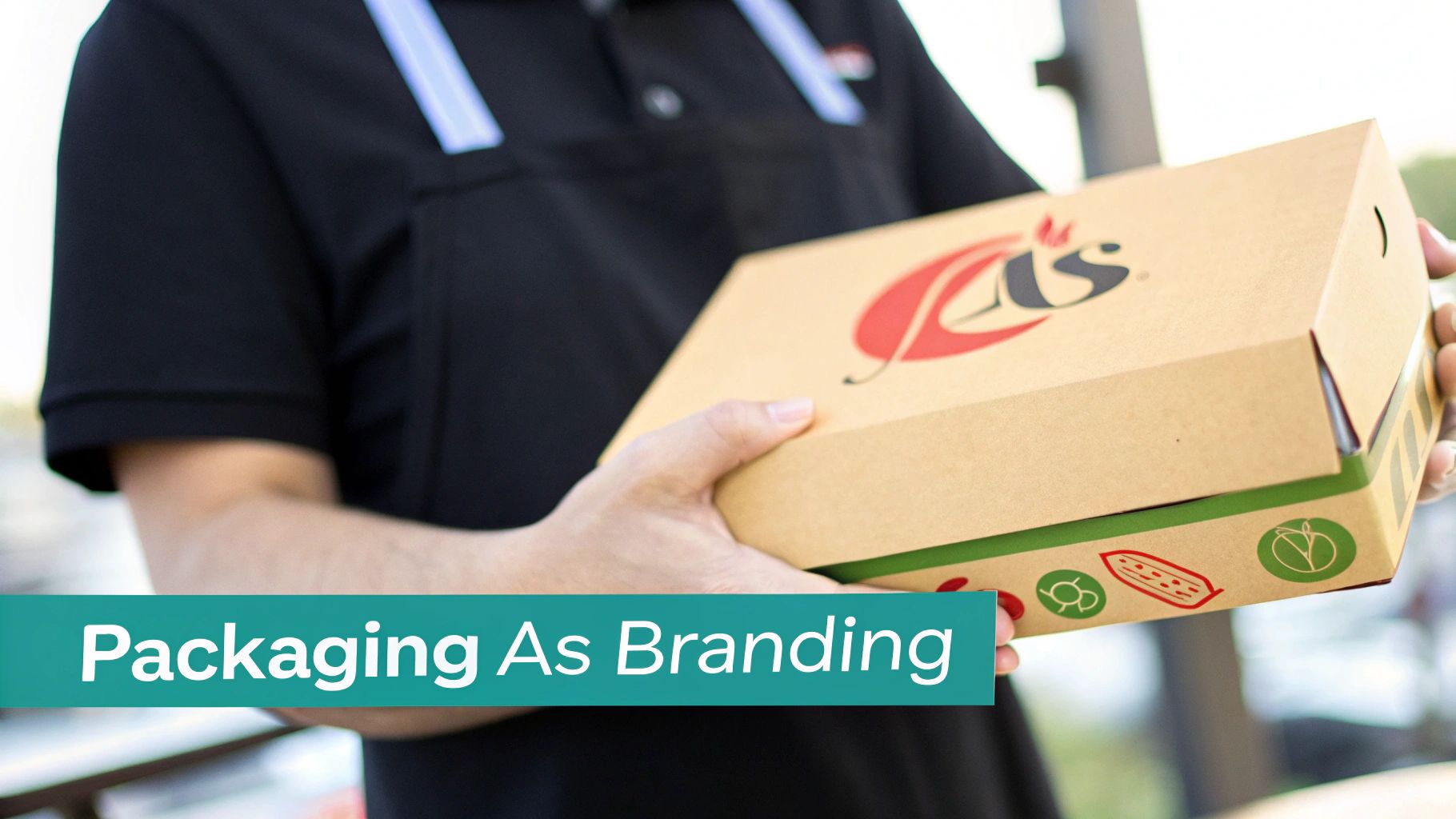
Designing Packaging That Tells Your Story
Great branding on your takeaway boxes is about more than just sticking your logo on a lid. It’s about creating a cohesive design that really captures the heart and soul of your business. Every single element, from the colours you choose to the font you use, helps tell your story.
What message are you trying to send? Are you a funky, modern street food spot or a classic, cosy café? Your packaging needs to match that vibe. A minimalist design with an elegant script might be perfect for an upmarket delicatessen, whereas bold, playful graphics would be a natural fit for a family-friendly burger joint.
Here are a few practical pointers to get you started:
- Logo Placement is Key: Make sure your logo is clear, proud, and easy to spot. The top or front of the box is prime advertising space, so use it wisely.
- Think About Colour: Your colour scheme should be a direct reflection of your brand. Earthy tones like greens and browns can suggest natural, sustainable ingredients, while bright, bold colours can create a feeling of energy and fun.
- Keep it Consistent: Your branding should look the same across all your packaging, from the main takeaway boxes and cups to smaller items like napkins or stickers. This consistency creates a strong, professional image that customers trust.
The real goal? Make your packaging so distinctive that people recognise it instantly. When someone spots your branded box on a colleague’s desk or at a picnic in the park, they should know exactly where it’s from without a second thought.
Making Custom Branding a Reality for Your Business
For many independent cafes and restaurants, the thought of custom-printed packaging can seem daunting. It often brings to mind massive order numbers and the headache of where to store it all. The good news is, things have changed. These days, many suppliers are set up to help small and medium-sized UK businesses, making custom branding more affordable and accessible than ever.
The secret is to find a supplier who offers low minimum order quantities (MOQs). This lets you get started with professional, branded takeaway boxes without having to sink a huge amount of cash upfront. You'll find many suppliers willing to start an order with as few as 1,000 units – a much more manageable number for most independents.
Even the logistical nightmare of storage has been sorted. Some suppliers now offer free storage, meaning you can place a larger, more cost-effective order and simply "call off" the stock as and when you need it. This takes away the stress of cramming boxes into an already-packed stockroom and helps you lock in a better price per unit.
Just as takeaway boxes carry your brand, you can also explore the impact of custom logo shopping bags as another form of mobile advertising that turns every customer into a walking billboard. These practical solutions mean that any business, no matter its size, can use its packaging as a powerful tool for growth.
Getting Your Packaging Supply and Storage Right
Choosing the perfect takeaway boxes is half the battle. The other half? Making sure you've always got them on hand without your stockroom looking like a cardboard recycling centre. For any busy food business, getting your ordering and storage sorted is the key to a stress-free service.
It’s all about creating a simple, predictable system. Get it right, and you'll never have that sinking feeling when you realise you’re running low on containers during the Saturday night rush. A little planning here transforms your supply chain from a constant headache into a reliable, background part of your operation.
Forecasting and Ordering Like a Pro
First things first, you need to know your numbers. Start tracking how many takeaway boxes, cups, and bags you get through in a typical week. This gives you a solid baseline, helping you forecast what you'll need for busier times like bank holidays or when a local festival is on.
When you start talking to suppliers, you'll hear two terms pop up again and again: Minimum Order Quantity (MOQ) and lead time.
- MOQ: This is simply the smallest order a supplier is willing to process. Thankfully, many modern UK suppliers have low MOQs, which is a massive help for independent businesses wanting to manage their cash flow and storage space.
- Lead Time: This is the time it takes from the moment you place your order to it arriving at your door. Knowing this is crucial—it tells you exactly when to reorder so you never run out.
Understanding these two factors helps you establish a smooth ordering rhythm. For businesses looking to grow or trim costs, buying in larger quantities can make a lot of sense. You can find some useful tips on buying wholesale corrugated boxes and managing bulk deliveries online.
A great UK-based supplier offering a quick, 48-hour delivery can be a real game-changer. It means you can hold less stock on-site, freeing up space and cash, confident that a top-up is only ever a couple of days away.
Smart Storage for a Tidy Kitchen
Once your delivery arrives, how you store it really matters. Getting this wrong can lead to waste, and damaged or contaminated packaging is just money straight in the bin.
Keep your storage area clean, dry, and organised. It sounds basic, but storing boxes off the floor on shelves or pallets is a non-negotiable for protecting them from damp and pests. Most packaging arrives flat-packed to save space, so dedicate a specific, easy-to-reach spot for it. This way, your team can grab what they need in a flash during a busy service.
Finally, before you commit to a huge order, always get your hands on some samples. There's no substitute for testing a few different boxes with your actual food. It's the only way to be 100% sure they'll hold up. We make it easy to try before you buy with our takeaway sample packs. This one small step can save you from a costly mistake and makes the whole process smoother from start to finish.
Your Takeaway Box Questions, Answered
Choosing the right packaging can feel like a minefield, but it doesn't have to be. We've gathered some of the most common questions we hear from hospitality businesses across the UK to give you clear, practical answers.
What’s the Most Budget-Friendly Eco-Friendly Option?
For most businesses, you'll find the sweet spot between cost and sustainability with Kraft paper or paperboard boxes, especially those made from recycled, FSC-certified materials. They’re a fantastic workhorse for everything from sandwiches to pastries, they’re widely recyclable, and they won't break the bank.
Compostable materials like bagasse are brilliant for really hot or wet food, but they do come with a slightly higher price tag. The best choice really boils down to your menu, your brand, and your budget.
How Do I Pick the Right Size Box for My Food?
The goal here is a snug fit—think of it like a tailored suit for your food. Too much room and your carefully plated meal will slide around, get damaged, and lose heat. Too tight, and you’ll squash delicate items like burgers or cakes.
Start by jotting down your main menu items and their portion sizes. The single best thing you can do next is ask your supplier for samples. Actually putting your food into different takeaway boxes is the only way to know for sure, letting you find that perfect fit before you place a big order.
Choosing the right size isn’t just about making things look good. It’s about quality control. The container is the last line of defence in protecting the meal you’ve worked so hard on, ensuring it arrives looking and tasting exactly as it should.
Can I Get My Logo on Boxes if I’m Only Placing a Small Order?
Yes, you absolutely can. Custom branding isn't just for the big chains anymore. Many UK suppliers now understand that independent businesses need flexibility and offer much lower minimum order quantities (MOQs).
It’s not unusual to find custom printing options starting from just 1,000 units. This means cafes, takeaways, and street food vendors can get that professional, branded look without a massive upfront cost or needing a warehouse to store it all. Your boxes suddenly go from being just a container to a mobile billboard for your business.
Ready to make your packaging work as hard as you do? At Afida, we offer premium, eco-friendly takeaway boxes with fast UK delivery and low minimums for custom branding. Explore our full range and request your free samples today.