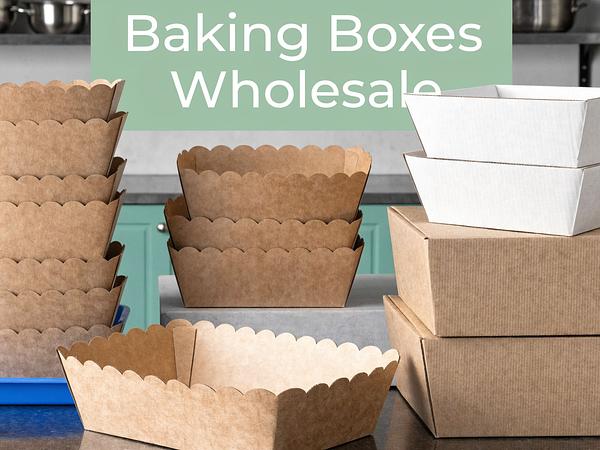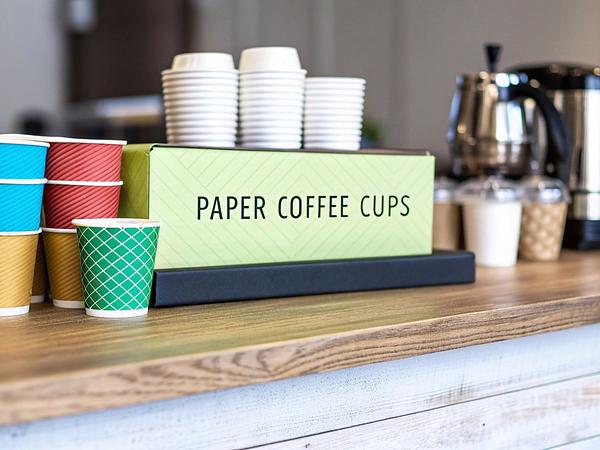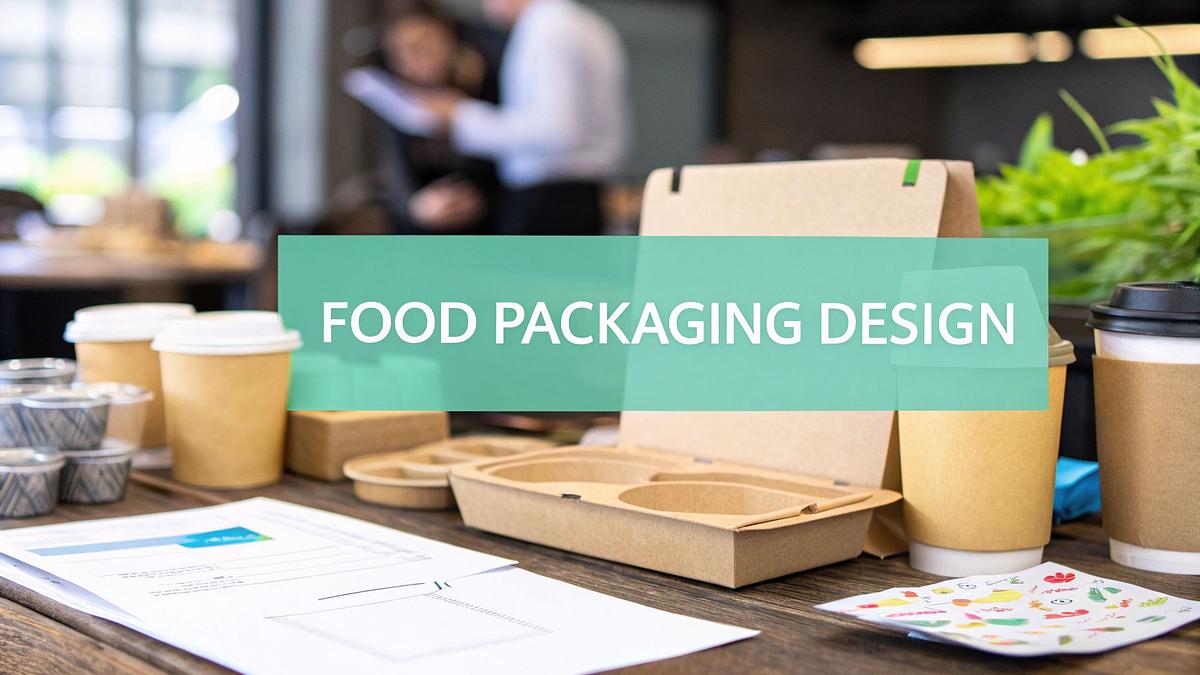
In the fast-paced UK hospitality sector, the design of food packaging is far more than just a container; it's a critical touchpoint with your customer. Get it right, and you improve brand perception, increase functionality, and signal your commitment to sustainability. Get it wrong, and you risk soggy chips, cold coffee, and a major missed branding opportunity.
This guide is built for busy UK-based café owners, caterers, and takeaway operators who need practical, cost-effective solutions. We will explore the core principles of effective packaging design, from material choice and structural integrity to branding and regulatory compliance. Managing the detailed product information for a wide range of packaging options can be complex; for businesses scaling up, understanding what is a PIM system can be invaluable for organising this data efficiently.
Our goal is to help you make informed decisions that benefit both your business and the planet. We'll examine the key elements that turn a simple cup, food container, or napkin into a powerful business asset, with a focus on sustainable choices and practical cost considerations. Let’s dive into the essential strategies for smarter food and drink service.
1. Afida
Afida stands out as a premier UK-based supplier for hospitality businesses seeking to combine high-performance packaging with a strong brand identity and genuine sustainability. Its platform is exceptionally well-organised for operators of cafés, takeaways, and catering services who need reliable, eco-forward disposables like cups, containers, and straws without operational headaches. The catalogue covers all core needs, from double-wall hot cups and rPET smoothie cups to kraft bowls, pizza boxes, and biodegradable Bio Fibre straws.

What makes Afida a strategic partner is its full-service logistics, designed for busy food businesses in the UK. Features like free next-day delivery options on orders over £100 (ex. VAT), complimentary samples, and free storage with call-off deliveries directly address common pain points like limited space and the need for predictable stock. This service-led approach is crucial for both independent operators and established chains looking to manage costs and operational efficiency.
For businesses focused on the design of food packaging as a marketing tool, Afida provides an accessible entry point to customisation. With minimum order quantities for printing starting at just 1,000 units, even smaller vendors can afford a professional look. The high-quality, full-colour printing ensures logos and branding appear sharp, transforming everyday items like coffee cups and napkins into powerful, eco-friendly brand touchpoints. Its strong reputation, evidenced by a 5.0 rating and clients like The Ritz and Hawksmoor, provides assurance of quality and dependability.
Visit Website: https://afida.com
2. Pearlfisher
For UK hospitality businesses aiming for a significant market presence or launching a retail line, Pearlfisher offers a high-calibre, strategy-led approach to the design of food packaging. This B-Corp certified agency works with established brands on everything from visual identity to the physical, structural design of packaging. Their portfolio showcases a deep understanding of creating shelf appeal that communicates brand values, from artisanal condiments to premium ready-to-eat ranges.

Pearlfisher's strength lies in balancing creative flair with commercial strategy, making them an excellent partner for complex projects. Their B-Corp status also signals a genuine commitment to sustainability, a critical factor when selecting materials and communicating brand ethics. This aligns well with the growing consumer demand for responsible packaging, a key consideration for any business exploring the options available in eco-friendly takeaway containers.
Key Considerations & Limitations
- Best For: Ambitious, well-funded brands needing an end-to-end design system for a complex product range.
- Pricing: Premium agency rates mean this is a significant investment, unsuitable for small start-ups.
- Timelines: Expect longer lead times due to their project scale and global client base.
- Pros: Deep commercial and creative expertise; strong sustainability credentials.
- Cons: High cost; not agile enough for businesses needing a quick turnaround.
Website: https://pearlfisher.com
3. Jones Knowles Ritchie (JKR)
For established UK food service brands planning a major brand refresh or multi-market expansion, Jones Knowles Ritchie (JKR) offers world-class expertise in the design of food packaging. This global agency is renowned for creating bold, distinctive visual systems that perform powerfully on the shelf and across digital platforms. Their approach is ideal for businesses needing a complete overhaul that defines a new category standard, from masterbrand strategy to complex portfolio architecture.
JKR’s philosophy of being ‘Distinctive Everywhere’ ensures that a brand’s core assets are recognisable and effective, a crucial factor whether applied to a core product or to supporting items like custom branded paper cups. With a deep understanding of the fast-moving consumer goods (FMCG) sector, they deliver creative work that is not only visually striking but also commercially effective, helping brands achieve standout status in crowded markets.
Key Considerations & Limitations
- Best For: Well-resourced food and beverage brands seeking a category-defining identity for a multi-market roll-out.
- Pricing: Premium agency services, representing a substantial investment best suited to brands with significant budgets.
- Timelines: Comprehensive project scopes require longer engagement periods, unsuitable for rapid, small-scale launches.
- Pros: High success rate in creating iconic, cohesive brand assets; scales effectively for large, international projects.
- Cons: High cost; the intensive process may be demanding for smaller in-house marketing teams.
Website: https://www.jkrglobal.com
4. Bulletproof
For established UK hospitality brands aiming to revitalise their market presence, Bulletproof offers a strategy-led approach to the design of food packaging. This global agency excels at refreshing iconic brand assets and managing large-scale roll-outs across multiple markets. Their work is geared towards larger food and beverage corporations needing to ensure consistency and high craft standards, from initial concept to the final retail experience.
Bulletproof's strength is its ability to handle complex, multi-stakeholder projects, making them a suitable partner for franchises or large chains. They understand how to translate brand strategy into tangible packaging that performs on-shelf and communicates a clear message. This is particularly relevant for businesses that rely on consistent branding across all touchpoints, including custom-printed items like paper coffee cups, to maintain a strong identity.
Key Considerations & Limitations
- Best For: Large-scale, well-funded brands and FMCG companies needing a global brand refresh or a consistent multi-product packaging system.
- Pricing: Premium agency rates make this unsuitable for start-ups or small independent businesses.
- Timelines: Their in-depth strategic process means longer project timelines, which may not suit businesses needing to pivot quickly.
- Pros: Expertise in managing large, complex projects; ensures high-quality execution and brand consistency globally.
- Cons: High cost; their structured process can be too heavyweight for rapid local market tests.
Website: https://www.wearebulletproof.com
5. Design Bridge and Partners
For established UK hospitality brands or food producers planning a major market repositioning, Design Bridge and Partners is a global agency operating at the highest level. They offer an integrated service that combines brand strategy with both graphic and structural design of food packaging. Their expertise is particularly suited to businesses managing complex product portfolios or planning launches across different international markets, ensuring brand consistency and commercial impact at scale.

The agency’s strength is its robust, insight-led process, which underpins creative work with solid market research to ensure designs perform effectively in a competitive retail environment. Their portfolio demonstrates a proven ability to deliver for blue-chip food and beverage clients. This level of strategic thinking is invaluable for large-scale projects, though their enterprise scope may be less suitable for smaller, independent hospitality businesses needing a more nimble approach.
Key Considerations & Limitations
- Best For: Large hospitality chains and food manufacturers requiring a full-service, global design partner for a complex product range.
- Pricing: Enterprise-level investment, making it inaccessible for most start-ups or small to medium-sized businesses.
- Timelines: Formal processes and global scale can lead to longer project timelines compared to smaller studios.
- Pros: Strong research and insight capability; proven track record with major food and beverage brands.
- Cons: High cost and scale are prohibitive for smaller businesses; processes may lack agility for quick turnarounds.
Website: https://www.designbridge.com
6. Turner Duckworth
For established UK hospitality brands looking to make a major impact, Turner Duckworth specialises in creating iconic visual identities. This global studio excels at a packaging-first creative approach, simplifying brand ideas into instantly recognisable designs. Their work is a masterclass in the design of food packaging, focusing on creating universal appeal that translates seamlessly across different markets, including limited-edition and seasonal variations.

The agency’s strength is in refreshing heritage brands or amplifying challenger brands to global status, ensuring the core brand equity is retained and strengthened. With studios in London and the US, they are well-positioned to manage cross-Atlantic projects, providing a consistent brand experience for businesses with international ambitions. Their meticulous craft ensures every element, from logo to typography, works hard on the shelf.
Key Considerations & Limitations
- Best For: Growth-stage or established food and drink brands aiming for iconic status.
- Pricing: Premium agency fees make this suitable only for businesses with a significant design budget.
- Timelines: Major branding projects require a substantial time commitment; not a quick-turnaround option.
- Pros: Excellent at building memorable and universally recognised packaging; skilled at brand refreshes.
- Cons: High cost; highly selective about the projects and clients they take on.
Website: https://turnerduckworth.com
7. Robot Food (Leeds)
For challenger brands and growing hospitality businesses in the UK, Robot Food offers a commercially sharp approach to the design of food packaging. This independent Leeds-based studio is known for creating distinctive brand identities that perform well in competitive retail and food service environments. Their pragmatic focus on speed to market makes them a strong partner for businesses needing standout creativity without the prolonged timelines of larger network agencies.

Robot Food's strength is its balance of bold creativity with a solid understanding of production realities. This in-house know-how ensures their designs are not just visually appealing but also practical to produce, a critical consideration for managing costs. Their work is particularly suited to SMEs and mid-market brands across food, soft drinks, and alcohol that need a flexible, growth-oriented design partner to help them scale effectively and capture consumer attention on a crowded shelf.
Key Considerations & Limitations
- Best For: SMEs and mid-market challenger brands needing a fast, flexible, and commercially focused design partner.
- Pricing: Agency rates that reflect their expertise, representing a considered investment for a growing business.
- Timelines: Generally faster and more agile than larger agencies, suiting brands that need to move quickly.
- Pros: Pragmatic, growth-oriented approach; often more flexible and faster than bigger competitors.
- Cons: May refer highly specialised structural or 3D work to partners; limited capacity for massive, multi-region roll-outs.
Website: https://www.robot-food.com
8. big fish
For founders and established hospitality businesses aiming to make a significant impact in the UK retail market, big fish offers a consultancy-led approach to the design of food packaging. With over 30 years of experience, this London-based agency specialises in creating distinctive brand identities and narratives, particularly for businesses with a strong sense of purpose. Their work focuses on translating brand values into compelling on-pack stories that resonate with UK grocery shoppers.

The strength of big fish lies in its deep understanding of the UK retail channel and its ability to build a complete brand world, from visual identity to tone of voice. This makes them a strong partner for food businesses looking to launch a product line into major supermarkets or specialist retailers. Their emphasis on creating 'force for good' brands also aligns with growing consumer interest in ethical sourcing and sustainability, helping businesses communicate these credentials authentically through their packaging design.
Key Considerations & Limitations
- Best For: UK-focused food brands needing a strategic partner to build a complete brand identity for a retail launch.
- Pricing: Consultancy rates reflect a significant investment, best suited for well-capitalised projects.
- Timelines: As a boutique consultancy, their schedule can be tight, so longer lead times should be anticipated.
- Pros: Extensive UK grocery channel experience; skilled at creating entire brand worlds, including on-pack narratives.
- Cons: Not designed for quick, small-scale design jobs; boutique size may mean limited immediate availability.
Website: https://bigfish.co.uk
9. BrandOpus
For established UK hospitality brands planning multi-market expansion or a major rebrand, BrandOpus provides a strategically rigorous approach to the design of food packaging. This global, employee-owned agency is known for its evidence-based methodology, which blends cognitive science with creative execution to influence shopper behaviour at the point of sale. Their expertise is particularly strong in creating scalable design systems that work consistently across different product formats, from cereals to snack ranges and beverages.

BrandOpus stands out by anchoring its design work in measurable outcomes, making them a good partner for businesses that need to justify investment with clear performance indicators. Their global presence in the UK, US, and Australia offers valuable insight for brands with international ambitions, ensuring packaging designs are culturally relevant and effective across different regions. This strategic depth is ideal for complex projects where packaging is a central component of a wider brand strategy.
Key Considerations & Limitations
- Best For: Established food businesses needing a full rebrand or a design system that can scale internationally.
- Pricing: Premium agency rates make this suitable for well-capitalised projects, not for early-stage start-ups.
- Timelines: The research-heavy process means longer project timelines compared to smaller, more nimble studios.
- Pros: Evidence-based design with measurable outcomes; strong portfolio in key FMCG food categories.
- Cons: High cost; not suited for businesses requiring a rapid turnaround.
Website: https://www.brandopus.com
10. B&B studio
For founder-led and mission-driven food businesses in the UK, B&B studio provides a specialised, brand-led approach to the design of food packaging. This London-based B-Corp excels in creating identities for brands in the premium, natural, and 'better-for-you' sectors. Their work focuses on creating a strong emotional connection with consumers, using distinctive typography and illustration to build a memorable presence on the shelf and online.
B&B studio’s portfolio demonstrates a fresh, restrained style that effectively communicates quality and brand values, making them a strong partner for businesses aiming to stand out in a crowded market. Their end-to-end service, from brand positioning through to final packaging guidelines, ensures a cohesive result. The studio’s B-Corp status also signals a deep commitment to sustainable practices, a key consideration for hospitality businesses choosing eco-friendly materials and messaging.
Key Considerations & Limitations
- Best For: Mission-driven food and drink brands needing a complete brand identity and packaging system with a premium, natural feel.
- Pricing: Boutique agency rates; a significant investment best suited for businesses ready to scale.
- Timelines: As a boutique studio, capacity can be limited; it is advisable to book well in advance.
- Pros: Known for fresh, high-quality execution; strong fit for values-aligned founders.
- Cons: Boutique capacity means less agility for urgent projects; may outsource highly technical 3D engineering.
Website: https://bandb-studio.co.uk
11. Kingdom & Sparrow
For independent UK food and drink brands wanting to make a strong impression on retail shelves, Kingdom & Sparrow offers a craft-led, artistic approach to the design of food packaging. This Cornwall-based branding studio excels at creating distinctive identities that blend creative illustration with solid commercial strategy. Their portfolio is rich with examples for artisanal producers, from craft beers to speciality foods, showcasing their ability to translate a brand’s unique story into a compelling visual language.
Their strength is in a highly collaborative and creative process, making them an ideal partner for ambitious SMEs seeking a standout identity. As a more nimble studio, they can often offer a more direct and responsive experience than larger, multi-layered agencies. This makes them a great fit for businesses that want a close working relationship with their design team to develop packaging that genuinely connects with their target audience.
Key Considerations & Limitations
- Best For: Independent food and drink producers needing a distinct, art-led brand identity and packaging.
- Pricing: Agency rates apply, representing a considered investment best suited for established SMEs rather than early-stage start-ups.
- Timelines: Being a smaller team, they are generally more agile than large agencies but may have less capacity for multiple large-scale projects at once.
- Pros: Strong creative and illustrative skills; highly collaborative and responsive team.
- Cons: Boutique size may limit their capacity for complex global roll-outs; focused on brand and visual design over structural packaging innovation.
Website: https://kingdomandsparrow.co.uk
12. This Way Up
For UK hospitality businesses specialising in healthier food and drink options, This Way Up provides a focused, strategic approach to the design of food packaging. This London-based studio has carved out a niche by helping wellness-oriented brands achieve shelf appeal, particularly those aiming for listings in major UK grocery retailers. Their work centres on translating nutritional benefits and ‘better-for-you’ propositions into a compelling visual identity and functional packaging.

This Way Up offers practical, end-to-end support, from initial brand strategy and positioning through to final artwork and production rollout. This makes them a strong partner for operators who need expert guidance navigating the specific demands of the mainstream wellness market. Their portfolio demonstrates a clear understanding of how to communicate health cues effectively on-pack, helping brands stand out in a competitive and growing category.
Key Considerations & Limitations
- Best For: Health-conscious brands and food service operators targeting UK grocery listings or a wellness-focused consumer base.
- Pricing: Boutique agency rates; best suited for established businesses with a dedicated design budget.
- Timelines: As a smaller studio, lead times should be discussed early to align with project schedules and production capacity.
- Pros: Deep expertise in the health and wellness food category; practical support through to artwork and production.
- Cons: Niche focus is less suitable for indulgent food categories; smaller scale may mean less capacity for multiple large projects simultaneously.
Website: https://thiswayupdesign.com
Food Packaging Design: 12 UK Agencies & Suppliers Compared
| Provider | Core offering | Quality & trust ★ | Value & pricing 💰 | Unique selling points ✨ | Target audience 👥 |
|---|---|---|---|---|---|
| 🏆 Afida | Sustainable catering packaging (cups, lids, rPET, tubs, kraft, straws) + logistics & print | ★5.0 · 500+ UK clients (Ritz, Marriott) | 💰 Low unit costs (e.g. £0.007/unit straws) · free samples · free delivery >£100 · bulk discounts | ✨ 48‑hr UK delivery, free storage, low MOQ print from 1,000, biodegradable options | 👥 UK Cafés, restaurants, takeaways, caterers, hospitality brands |
| Pearlfisher | End‑to‑end brand & packaging strategy, visual identity, 3D/CGI | ★ Award‑winning · B‑Corp | 💰 Premium agency rates; strategic ROI | ✨ Strategy‑first to CGI; sustainability alignment (B‑Corp) | 👥 Food & beverage brands seeking premium, strategic design |
| Jones Knowles Ritchie (JKR) | Global packaging & brand systems for FMCG/CPG | ★ High‑profile global portfolio | 💰 High fees; built for scale | ✨ Distinctive shelf‑first visual systems; multi‑market roll‑outs | 👥 Large FMCG brands / multi‑market projects |
| Bulletproof | Strategy‑led brand & retail experience; packaging refreshes | ★ Strong craft; global footprint | 💰 Premium; heavyweight process | ✨ Full‑funnel retail activation & global consistency | 👥 Large, multi‑stakeholder FMCG clients |
| Design Bridge & Partners | Integrated strategy, packaging & 3D for global portfolios | ★ Award‑winning; blue‑chip experience | 💰 Enterprise pricing; formal governance | ✨ Research‑led design, cross‑market harmonisation | 👥 Blue‑chip & global CPG brands |
| Turner Duckworth | Visual identity & packaging specialists (iconic, simple packs) | ★ Iconic, meticulous craft | 💰 Premium; selective briefs | ✨ Universal, instantly recognisable packaging; limited editions | 👥 Growth/established brands seeking heritage refresh |
| Robot Food (Leeds) | Pragmatic packaging + in‑house production know‑how | ★ Commercially sharp; fast | 💰 Mid‑range; flexible for SMEs | ✨ Speed to market; production/practical expertise | 👥 UK Challenger & scaling food/drink brands |
| big fish | UK grocery brand building; purpose & packaging | ★ 30+ years UK grocery expertise | 💰 Mid/upper boutique pricing | ✨ Purpose‑led positioning & retail channel know‑how | 👥 UK Food founders and UK grocery brands |
| BrandOpus | Evidence‑based brand & packaging design for scale | ★ Global, measurable outcomes | 💰 Premium; research‑heavy | ✨ Cognitive/evidence‑based shopper design | 👥 UK Brands scaling across regions and channels |
| B&B studio | B‑Corp studio focused on premium natural food & drink | ★ B‑Corp; premium natural focus | 💰 Boutique pricing aligned to mission | ✨ Distinctive typography/illustration; sustainability practice | 👥 Founder‑led, mission‑driven UK food & drink brands |
| Kingdom & Sparrow | Craft‑led branding & packaging with illustration focus | ★ Strong creative, artisanal packs | 💰 Mid‑range boutique | ✨ Handcrafted illustration & retail sensibility | 👥 Ambitious UK SMEs wanting craft‑led standout packs |
| This Way Up | Strategic packaging for healthier food & drink | ★ Specialist in wellness & grocery | 💰 Boutique; practical rollout support | ✨ Health‑led positioning + grocery listing experience | 👥 UK Health/wellness and better‑for‑you brands |
Your Next Steps to Better Packaging
Navigating the world of food packaging design can feel complex, but the journey from concept to customer is achievable for any UK hospitality business. This guide has armed you with the essential knowledge, from understanding core principles like protection and food safety to choosing eco-friendly materials like rPET and Bio Fibre that align with your sustainability goals. We've examined how structural details like leak-proofing and insulation directly impact the customer experience, and how custom printing on items like cups and napkins can turn a simple container into a powerful marketing tool.
The central message is clear: effective design of food packaging is a careful balance of practical function, brand identity, environmental responsibility, and commercial sense. Whether you're working with a renowned agency for a complete brand overhaul or partnering with a specialist supplier for accessible customisation, the principles remain the same. Your packaging is often the final, tangible touchpoint a customer has with your brand after they've left your premises, making it a critical part of their overall experience.
Turning Knowledge into Action
To move forward, start with a simple audit of your current packaging. What works well? Where are the weaknesses? Perhaps your coffee cups are great, but your takeaway food containers are prone to leaks or don't stack efficiently during busy services. This assessment will create a clear brief.
From there, consider these practical steps:
- Request Samples: Before committing to a large order, always get physical samples. Test them with your actual menu items. Do they hold up to greasy foods? Does condensation affect the material? How do they feel in a customer's hand? This helps avoid costly mistakes.
- Clarify Your Brand Message: What do you want your packaging to say about your business? "Eco-friendly," "premium," "convenient," or "fun"? Ensure your artwork, colours, and material choices all reinforce this message consistently.
- Plan Your Logistics & Costs: Discuss lead times, storage requirements, and delivery schedules with your supplier. Running out of custom-branded packaging at a critical moment can be a major disruption, so planning ahead is key. Factor in the total cost, including storage and delivery, when making your final decision.
Finally, once you have your new packaging, consider how you will present it. Great packaging deserves to be shown off, especially on delivery platforms and social media. If you're selling pre-packaged items online, it’s vital to master product photography for Amazon and other marketplaces, as the visual representation becomes your primary sales driver. Your investment in superior packaging design only pays off if customers can see it clearly. Remember, the right packaging isn’t just a cost; it’s an investment in your brand’s reputation, customer loyalty, and a more sustainable future.
Ready to put these principles into practice? Afida specialises in providing UK hospitality businesses with high-quality, custom-branded, and eco-friendly food packaging solutions. Explore our range of customisable cups, containers, and more to find the perfect fit for your brand at Afida.