Bin liners are one of those purchases where the wrong choice creates a problem every single day. A liner that tears when lifted with a full load, is too short for the bin it is supposed to fit, or is too thick for the waste type being collected is a daily operational frustration. For food service operations, bin liners also touch food waste compliance -- some councils and waste contractors specify liner types for food waste collections. Getting this purchase right means matching liner spec to bin size, waste type, and collection requirements.
Key Factors to Consider
Size and Bin Compatibility
The single most common purchasing mistake is buying a liner that does not fit the bin properly. A liner too small means it cannot be knotted at the top; too large and excess material bunches up, traps air, and makes the bin liner feel unstable. Standard UK commercial bin sizes and corresponding liner sizes:
- 10 to 15 litre bins (under-counter, small waste): liners around 460mm x 760mm (18 x 30 inch)
- 30 litre bins (medium catering bin): liners around 600mm x 900mm (24 x 36 inch)
- 60 litre bins (standard commercial bin): liners around 760mm x 1000mm (30 x 40 inch)
- 90 to 110 litre bins (large wheeled bins): liners around 900mm x 1200mm (36 x 48 inch)
- 240 litre wheelie bins: liners around 1200mm x 1400mm (48 x 55 inch)
Measure your bins before ordering. Nominal bin capacity and the liner size that fits it are not always consistent across manufacturers.
Gauge and Strength
Bin liner gauge is measured in microns. General guidance for catering environments:
- 10 to 15 microns: Very light. Suitable for dry, lightweight waste like paper in an office area. Not appropriate for food waste.
- 20 to 25 microns: Standard light-duty. Dry general waste with occasional light food waste.
- 30 to 40 microns: Medium-duty. Mixed catering waste including food packaging and light food waste. The most common choice for back-of-house bins.
- 50 microns and above: Heavy-duty. Kitchen waste with bones, glass, or sharp food packaging. Worth the additional cost for bins that are regularly overloaded.
Cheap, thin liners in a kitchen environment are a false economy. A split liner over a full bin takes longer to clean up than the cost difference between light and heavy gauge ever justifies.
Colour
Bin liner colour is used as a visual coding system in many catering operations:
- Black: General waste (most common default)
- Clear or white: Recycling (allows visual inspection of contents)
- Yellow: Clinical or hazardous waste (not typically relevant for food service but avoid for food waste bins to prevent confusion)
- Green: Food waste in some council collection schemes
- Blue or red: Used variously depending on operation-specific coding
If you run a waste segregation system, consistent colour coding reduces contamination errors. Check with your waste contractor which colours they expect for each stream.
Food Waste Compliance
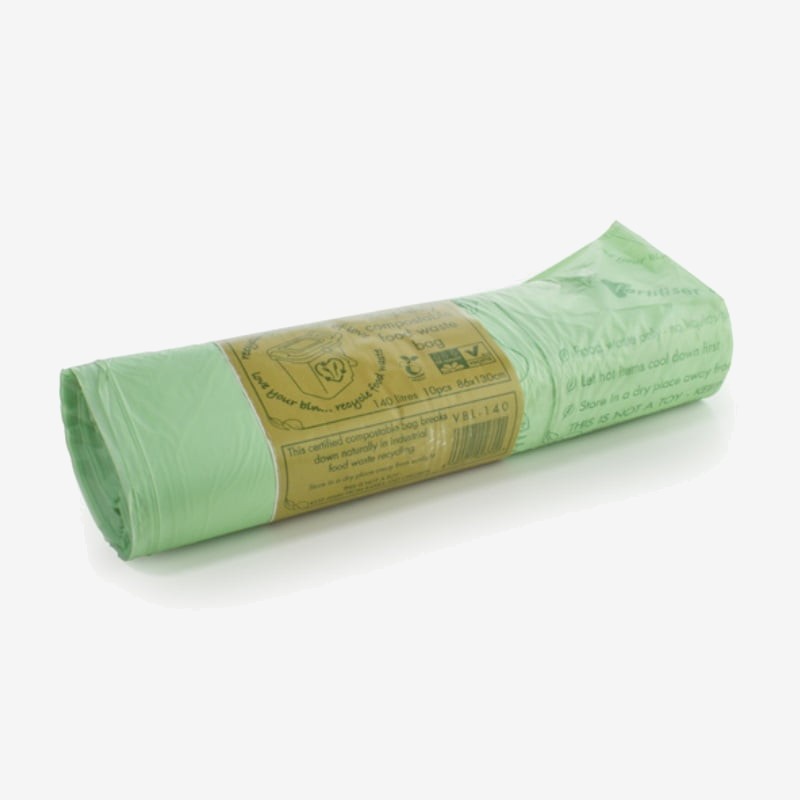
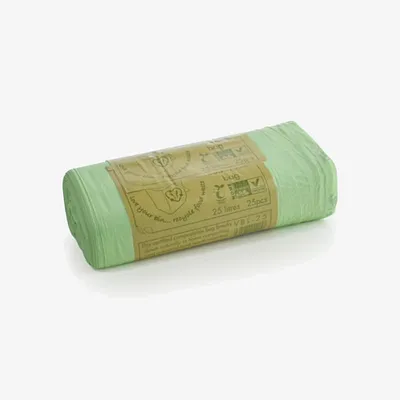
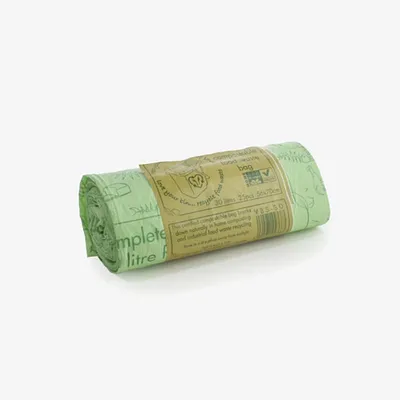
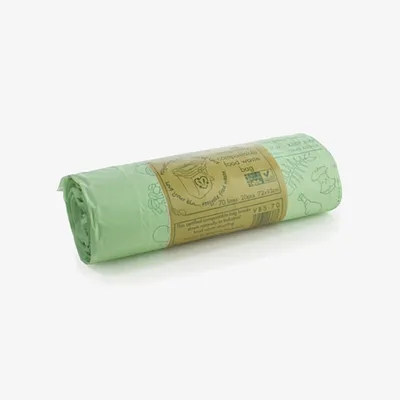
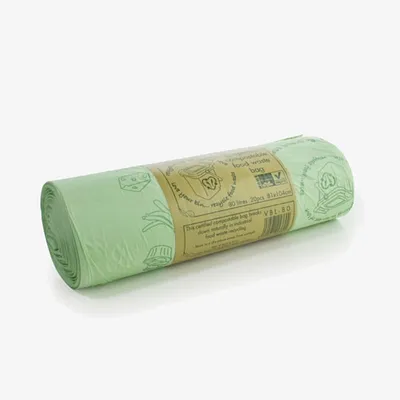
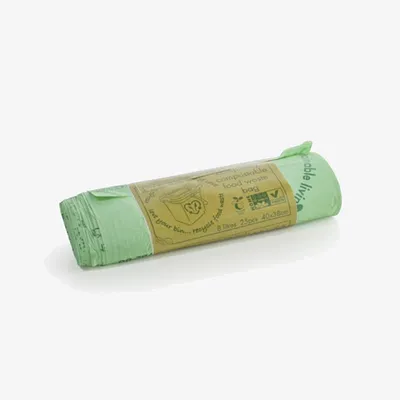
For food waste bins subject to council or commercial collection, check whether your contractor specifies compostable liners. Some food waste collections require EN 13432 certified compostable liners -- a standard black LDPE liner will contaminate the composting process. Compostable liners are made from PLA or starch blends and carry a significantly higher price than conventional liners (roughly two to three times the cost). Confirm requirements before purchasing.
Recycled Content
Bin liners are available with varying levels of recycled plastic content. Products made from 80 to 100% recycled LDPE are widely available at similar prices to virgin plastic equivalents, especially at commercial buying volumes. If your business makes environmental claims, specifying recycled-content bin liners is a straightforward and low-cost improvement.
Cost and Value
Standard 30-litre medium-gauge black liners in catering supply run approximately £5 to £12 per 100. Heavy-gauge 60-litre liners run £8 to £18 per 100. Compostable liners of equivalent sizes run £15 to £30 per 100. Buying in cases (typically 500 to 1,000 liners) reduces unit cost by 20 to 40%.
Pro Tips
- Stock two or three liner sizes rather than one universal size. Using an oversized liner in a small bin wastes material; using an undersized liner in a large bin causes split bags.
- For kitchen bins that get very heavy, double-lining is common practice. If this is standard in your kitchen, factor it into your consumption calculation and consider moving up one gauge instead.
- Label the storage area for each bin liner size. Kitchen staff under pressure at the end of a shift will grab the nearest bag -- a labelled shelf prevents wrong-size liners being used consistently.
- If your waste contractor has recently changed or if you have expanded your recycling programme, check that your liner colours still match the current system. A mismatch sends the wrong waste to the wrong stream.
Summary
Bin liners are a high-frequency purchase where size accuracy, gauge, and colour coding all matter for operational efficiency. Measure your bins, match the gauge to the waste type, and confirm food waste liner requirements with your contractor before switching to compostable alternatives. Buying in bulk by the case cuts unit cost significantly and reduces how often you need to reorder.

 Bin Liners