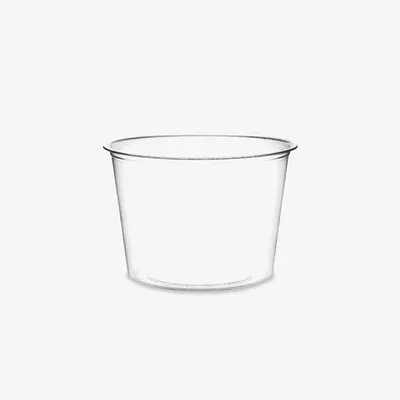
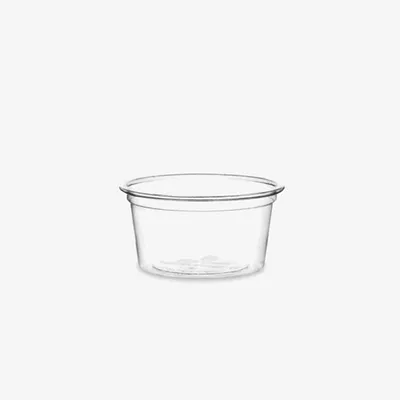
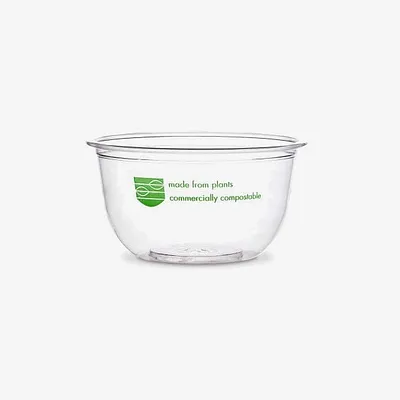
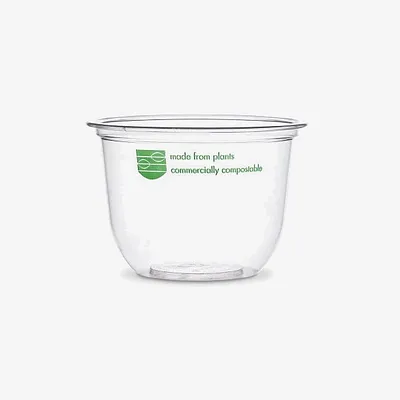
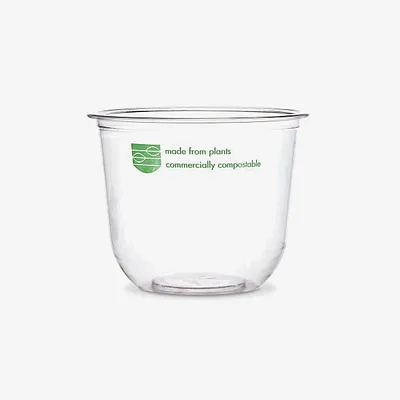
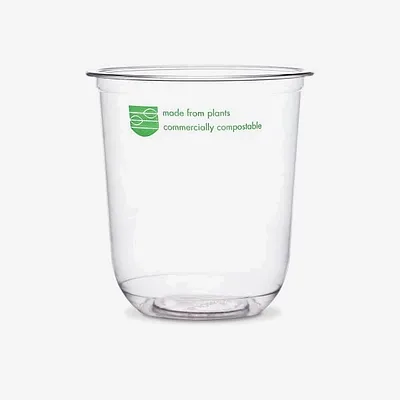
Deli pots are one of the most versatile containers in food service. A well-chosen pot handles olives, coleslaw, hummus, soups, sauces, fruit salads, and portion-controlled condiments without leaking, collapsing, or looking cheap on the counter. The wrong choice leaks under pressure, cracks when stacked, or has a lid that does not seal properly on a bumpy delivery journey. For delis, cafes, and food-to-go operations, getting this right across two or three standard sizes covers the majority of use cases.
Key Factors to Consider
Material and Construction
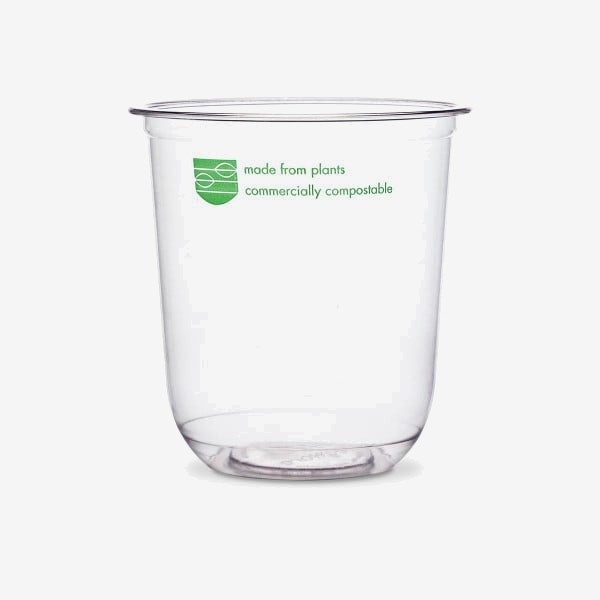
Most deli pots are made from PP (polypropylene) or PET. PP is the more common choice -- it is rigid, heat-tolerant up to around 100°C (making it suitable for hot soups and sauces), microwave-safe in many formats, and resistant to fats and oils. PET is clearer than PP and better suited to cold products where visibility is the priority. For anything going into a hot-hold or being served warm, PP is the right choice. Avoid PET for hot fill applications -- it can distort. Some compostable deli pots made from PLA or bagasse (sugarcane fibre) are available but are generally less widely stocked and more expensive.
Size and Capacity
Common deli pot sizes in UK catering supply:
- 2oz (60ml): condiments, dips alongside a main
- 4oz (120ml): small side salads, dressings, olives
- 8oz (240ml): generous portion of coleslaw or dip, small soup portion
- 12oz (360ml): main soup portion, large side
- 16oz (470ml): meal-sized portion, pasta salad, large soup
Round pots are the most common and stack efficiently. Square or rectangular deli pots use shelf space more efficiently but are less widely available and cost slightly more. Confirm the fill level -- the nominal capacity and the practical fill-to-lid-seal level are not always the same.
Lid Type and Seal Quality
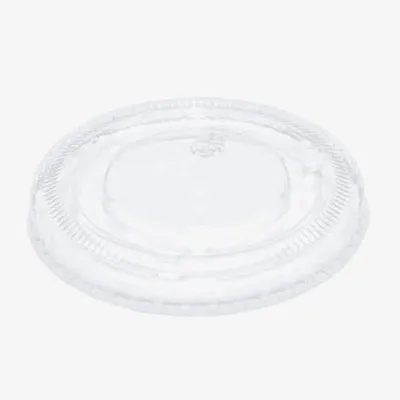
The lid is where most deli pot failures happen. Tamper-evident lids (snap-on with a visible tear tab) are the right choice for anything sold in a chilled display or delivered. Simple push-on lids are fine for in-kitchen use. If you are shipping or delivering deli pots in bags alongside other items, test whether the lid stays sealed under lateral pressure. Lids and pots from different manufacturers often do not cross-fit, so buy matched sets and avoid mixing brands if you can.
Temperature and Use Case
Hot fill means filling with food at above 75°C and sealing immediately -- this requires a pot that is rated for hot fill without distorting. Standard PP deli pots handle this. Cold fill (ambient or chilled food) is less demanding and PET is also an option. If you are selling refrigerated products with a multi-day shelf life, confirm the lid provides an adequate seal to prevent drying out. Some lids have a secondary inner rim that improves the seal for chilled storage.
Sustainability
PP deli pots are technically recyclable through rigid plastics streams, though household acceptance varies by council. PLA compostable pots exist but require industrial composting infrastructure. Bagasse pots are a genuinely compostable option for cold and ambient food but are not heat-stable for hot soups. Check that any compostable claim is backed by EN 13432 certification.
Cost and Value
Standard PP deli pots in a 250ml to 500ml size run approximately £8 to £18 per 100 including matched lids. Buying in bulk (cases of 500 to 1,000) reduces this significantly. PET pots at similar sizes are comparable in price. Compostable alternatives typically cost 30 to 60% more.
Pro Tips
- Test your actual filled product in the pot you plan to use. Condensation on the inside of a clear lid can make the contents look unappetising. Some operators prefer a frosted or opaque lid for this reason.
- For soups and sauces, check the pour behaviour. A wide-mouth pot that tips cleanly is faster for customers to handle than a narrow-rim design.
- If you are labelling pots for retail sale, measure the side wall surface area before ordering labels. Curved walls limit the usable label width.
- For chilled grab-and-go, stack three or four filled pots to check the stability. Narrow-based designs can become unstable when stacked in a chilled display.
Summary
Deli pots are a daily-use purchase where the lid seal, material temperature rating, and size accuracy all matter more than the headline unit price. PP is the right default material for most operations. Buy matched pot-and-lid sets from the same supplier, test for seal quality and stack stability before committing to volume, and calculate cost per serve across your most-used sizes to find where the real savings are.

 Deli Pots