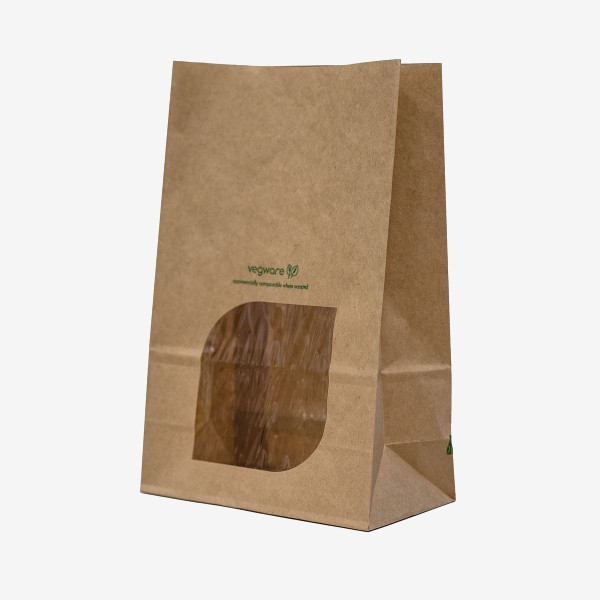
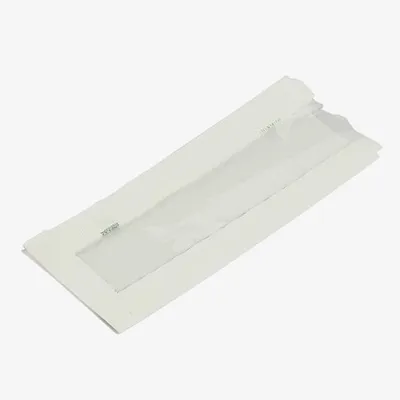
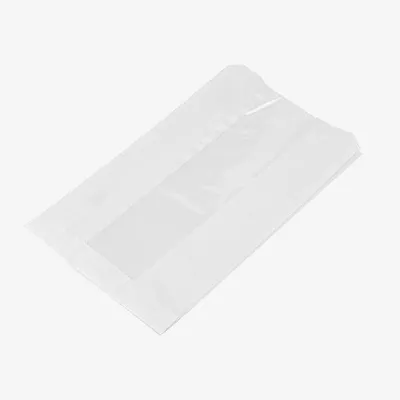
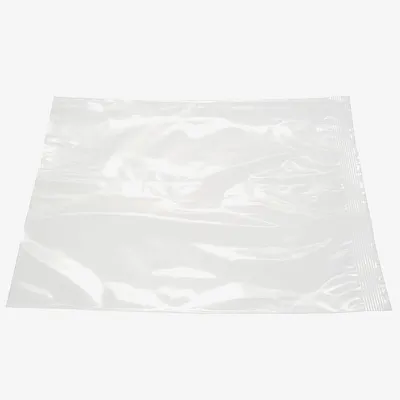
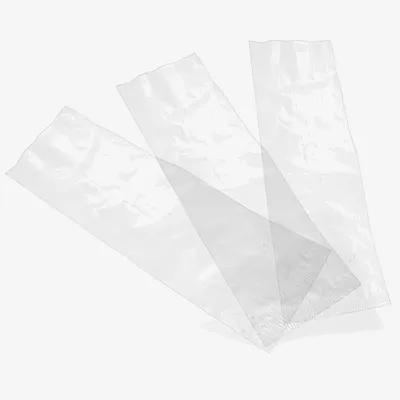
NatureFlex bags are made from a cellulose film derived from wood pulp, certified compostable to EN 13432 and home compostable in many formats. They are visually similar to conventional clear plastic bags but break down significantly faster in composting conditions. For food businesses that are actively working to remove fossil-fuel-based plastics from their packaging and can communicate clearly about disposal, NatureFlex bags are one of the more credible sustainable alternatives available. The key is understanding exactly what they can and cannot do before switching.
Key Factors to Consider
What NatureFlex Actually Is
NatureFlex is a brand name for a range of cellulose films made by Futamura. It is not a generic term. The material is film-thin, transparent, and crinkly in texture compared to conventional LDPE or OPP plastic bags. It is suitable for wrapping, light packaging, confectionery, and bakery products. It is not designed to replace heavy-duty plastic bags or bags carrying significant weight. The compostability claim is genuine and third-party certified, which makes it more verifiable than many materials described as "eco-friendly" in food packaging.
Composting Conditions
NatureFlex is certified compostable under EN 13432, which covers industrial composting. Many NatureFlex formats are also home compostable, which is a more demanding standard (lower temperatures, longer timeframes) and is more useful for consumer-facing claims. Confirm which certification applies to the specific product you are buying. Home compostable NatureFlex will break down in a domestic compost bin within approximately three to six months under typical UK conditions. It will not break down meaningfully in general waste or landfill in the short term, so disposal communication matters.
Suitable Products
NatureFlex bags work well for:
- Bakery items (bread rolls, pastries, biscuits)
- Confectionery and chocolate
- Loose leaf tea and dried products
- Light produce and ambient food
- Counter bags for grab-and-go bakery
NatureFlex is not suitable for:
- Products requiring a heat seal to a rigid tray (the seal integrity is limited)
- Very wet or high-moisture products where extended contact is needed
- Anything requiring high oxygen or moisture barrier performance (standard NatureFlex has limited barrier properties; barrier-enhanced versions exist at higher cost)
Barrier Properties
Standard NatureFlex has moderate moisture and oxygen barrier properties -- adequate for short-shelf-life bakery and confectionery but not for anything requiring extended freshness. Barrier-enhanced NatureFlex grades exist and can extend shelf life performance, but these are more expensive and less widely available from catering suppliers. For most food service applications (bakery, grab-and-go, events), standard NatureFlex is adequate.
Size and Format
NatureFlex bags for food service come in a range of sizes broadly matching conventional clear bags:
- Small (around 100mm x 150mm): individual biscuits, single rolls
- Medium (around 150mm x 250mm): small pastry items, multiple biscuits
- Large (around 200mm x 300mm): larger bakery items, confectionery packs
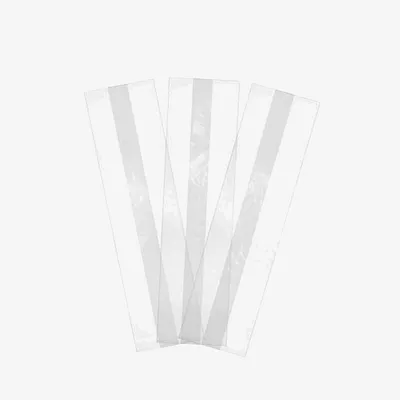
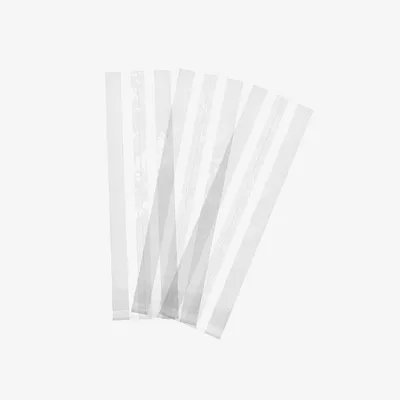
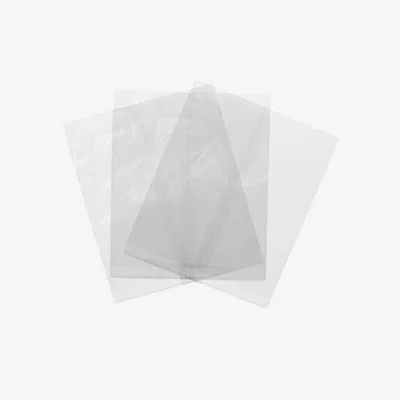
Flat bags, gusseted bags, and twist-tie closures are all available. Confirm the exact dimensions for your product as there is less size standardisation across suppliers than with conventional plastics.
Cost and Value
NatureFlex bags carry a significant premium over conventional clear plastic bags. Expect to pay roughly £5 to £12 per 100 bags for standard sizes, compared to £1 to £3 per 100 for equivalent BOPP or LDPE bags. The cost difference is most defensible when the compostability claim is actively communicated to customers and aligns with the brand positioning. For food businesses with a clear sustainability narrative, it is a worthwhile investment. For those simply replacing plastic without a communication strategy, the cost premium may not deliver visible return.
Pro Tips
- NatureFlex crinkles and feels different from conventional plastic. Brief your counter staff on this so they can explain it to curious customers rather than apologising for it.
- Store NatureFlex bags away from moisture and heat. They can become tacky in humid conditions. A cool, dry storeroom extends shelf life and maintains bag quality.
- If you are making home compostable claims on your packaging or menus, keep the certification documentation on file. Trading Standards and retail buyers are increasingly asking for evidence.
- For bakery items with a printed label, test label adhesion on the NatureFlex surface before ordering. Not all label adhesives bond well to cellulose film -- ask your label supplier for a compatible adhesive specification.
Summary
NatureFlex bags are one of the most credible compostable packaging options available for food service, backed by verifiable third-party certification. They suit bakery, confectionery, and light ambient food well. The cost premium over conventional plastic is real, and the benefit is most tangible when disposal instructions are clearly communicated. Buy in the correct size for your products, store correctly, and ensure your sustainability claims match the certification on the product you are purchasing.
 NatureFlex Bags