Starting a coffee shop is a journey, not a sprint. It neatly breaks down into three main stages: vision, planning, and launch. You'll start with the big idea, digging into market research and crafting your unique concept. From there, you'll build a solid business plan to get your funding sorted. Finally, it's all about the practical steps that get you to opening day.
Your Blueprint for a Thriving UK Coffee Shop
The dream of opening a coffee shop is where it all begins, but turning that dream into a bustling local hotspot demands a solid plan. Think of this guide as your roadmap, taking you from the first spark of an idea right through to your grand opening. We'll cover all the essential milestones for launching a successful coffee business here in the UK, focusing on practical advice you can actually use.
Let's be clear: the UK coffee scene is booming. It's one of the most vibrant markets in Europe, and it's grown massively over the last five years. The branded coffee shop sector alone is valued at around £6.1 billion as of 2025, with forecasts predicting it will hit £6.7 billion by 2026. This isn't just a trend; it's a huge opportunity for new entrepreneurs with a great concept.
Defining Your Vision and Brand Identity
Before you even glance at an espresso machine or a commercial lease, you need to pin down what makes your coffee shop different. This is the core of your brand identity. What’s your story?
Maybe you'll build your brand around a farm-to-cup experience, championing locally sourced beans and ingredients. Or perhaps your unique selling point is a deep commitment to sustainability. This can be reflected in everything from your energy provider to your choice of eco-friendly takeaway coffee cups, biodegradable paper straws, and compostable food containers.
A strong brand is so much more than a cool logo. It's the promise you make to every customer who walks through the door. It comes through in your menu, your decor, your service—everything.
As you start pulling your ideas together, using a comprehensive checklist for opening a restaurant can be a lifesaver. It’s a fantastic way to make sure you’ve thought about everything, from permits to pie fridges, helping you avoid expensive mistakes down the line.
This timeline gives you a bird's-eye view of the whole process, from that initial lightbulb moment to a successful launch.
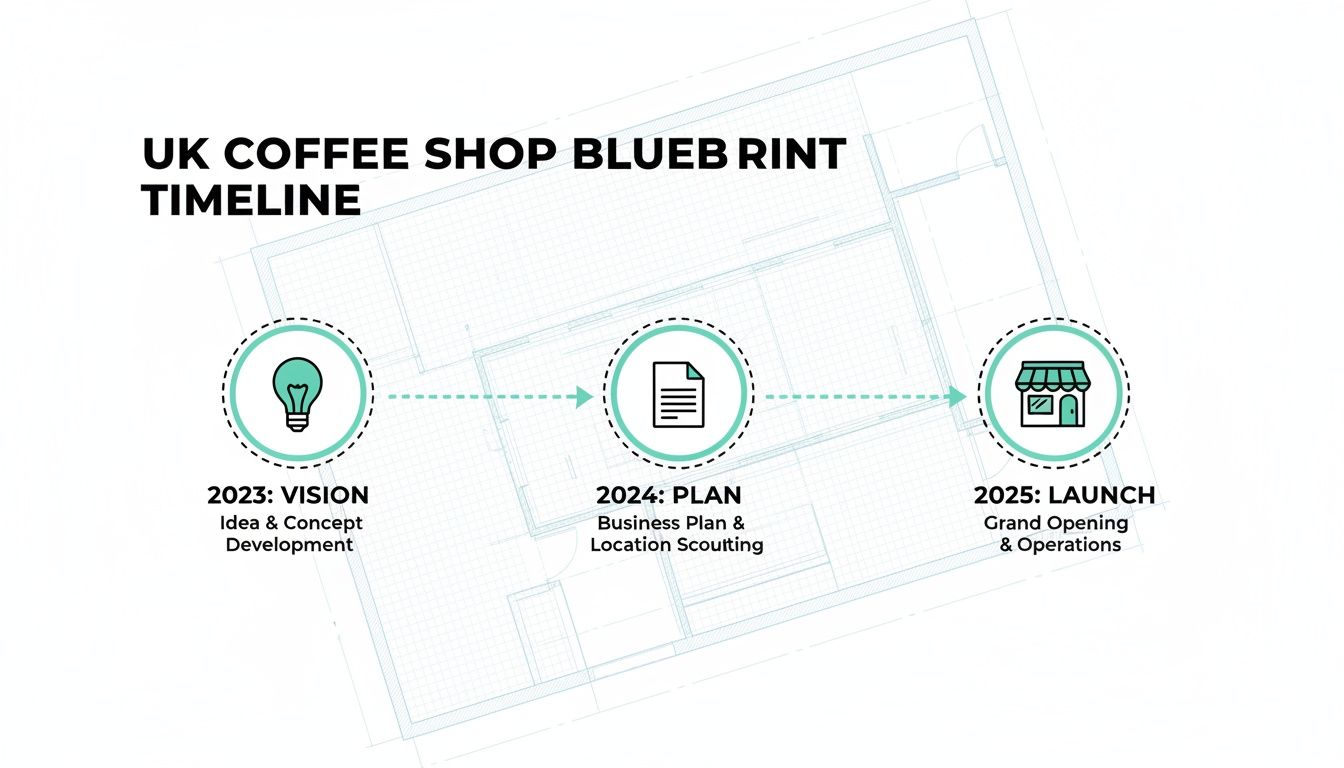
As you can see, launching a successful coffee shop is a step-by-step process. A crystal-clear vision is the foundation for a rock-solid plan, and that plan is what guides you to a smooth and successful launch.
Crafting Your Business Plan and Finding the Cash
Think of your business plan as more than just a document for bank managers. It's your blueprint, your North Star. This is where you take that dream in your head and put it on paper, turning a passion project into a viable business that's ready to compete in the UK's bustling coffee scene.
A solid plan will guide your decisions long after the initial buzz of opening day has worn off.

Don't just download a generic template and fill in the blanks. To get anyone to back you, your plan needs to be rooted in the real world, showing you’ve done the legwork and truly understand your corner of the market.
Getting to Grips with Market Research
First things first: you need to become the undisputed expert on your local area. Get out there and walk the streets you’re considering. Who’s already selling coffee? Pop into their shops at different times of the day. See who their customers are, when they’re busiest, and what they’re getting right.
Jot down their prices, what’s on their menu, and the general vibe of the place. You’re not doing this to copy them. You’re looking for the gaps. Maybe the area is crying out for a cosy, family-friendly spot, or perhaps there’s a real opportunity for a shop that champions sustainable, locally-sourced products.
Think hard about your ideal customer. Are you catering to students who need a quiet corner to study? Commuters after a lightning-fast flat white? Or remote workers looking for a home-from-home? This groundwork will shape everything from your menu to your choice of furniture.
Your business plan needs to tell a compelling story, but one that’s backed up by hard numbers. It has to convince an investor not just what your coffee shop will be, but why it’s destined to succeed right here, right now.
A well-thought-out plan is also crucial for knowing what lenders are looking for. It’s worth checking out guides on how to structure a business plan that wins funding to see the specific sections and details that matter most to them.
Nailing Your Financial Projections
This is where potential investors will zoom in, so it needs to be watertight. You’ll need to create detailed financial forecasts covering at least your first three years, including cash flow projections, a profit and loss statement, and a balance sheet.
Be brutally honest with your costs. It’s best to break them down into two distinct categories:
- One-Off Startup Costs: This is everything you need to spend just to open the doors. We’re talking the lease deposit, shop fit-out, solicitor’s fees, and the big-ticket items like your espresso machine, grinders, and fridges.
- Ongoing Operational Costs: These are the recurring monthly bills. Think staff wages, rent, business rates, utilities, and your cost of goods—the coffee beans, milk, cakes, and all your packaging.
When you’re budgeting for supplies, don’t dismiss sustainable options out of hand. Yes, compostable takeaway cups or biodegradable napkins might have a slightly higher unit cost. However, they can become a massive part of your brand identity, attracting the growing number of customers who actively seek out businesses with a conscience. That small extra cost suddenly becomes a powerful marketing tool.
Exploring Your Funding Options in the UK
Once you have a business plan that you can stand behind, it’s time to go looking for the money. Luckily, there are a few well-trodden paths for new coffee shop owners in the UK.
- Start Up Loans: This is a government-backed scheme offering personal loans of up to £25,000 to get a new business off the ground. The interest rates are fixed, and you often get access to free mentoring, which is invaluable.
- Traditional Bank Loans: The high street banks are a classic option. They’ll want to see your detailed business plan and solid financial projections, and will often require some kind of security against the loan.
- Crowdfunding: Platforms like Kickstarter can be a brilliant way to raise money while simultaneously building a loyal community. You’re essentially getting customers to buy into your brand before you’ve even served a single coffee.
- Angel Investors: These are successful individuals who invest their own money into promising startups in return for a slice of the business (equity). They can bring a wealth of experience and contacts, not just cash.
Each route has its own pros and cons. A Start Up Loan is supportive, while a bank might offer a bigger sum. No matter which you choose, that business plan will be your single most important tool for getting people to believe in your vision and, ultimately, to invest in it.
Finding Your Spot and Designing the Vibe
Your location is so much more than an address on a business card. Think of it as your most important, hardest-working employee. Getting the right spot for your coffee shop is about more than just finding a cheap lease; it's about embedding yourself in the daily lives of your future customers.
And what you do inside those four walls? That’s just as crucial. The atmosphere is your brand’s silent handshake. It's what makes people decide to stay for another flat white, come back tomorrow, and tell their friends about you. A great design is a careful balancing act between a welcoming, cosy feel and the practical, fast-paced reality of a busy café.
Scouting the Perfect Location
Before you even think about signing a lease, you need to put on your detective hat. I mean it – spend real time in the neighbourhoods you're eyeing up. Go on a rainy Tuesday morning, a busy Saturday afternoon, and a quiet Thursday evening. You need to understand the pulse of the area.
Start with the basics: footfall. Are people constantly walking past, or is it dead outside of the lunchtime rush? Look for spots near offices, tube or train stations, universities, or dense residential streets that are full of your ideal customer. A prime corner unit might cost a pretty penny in rent, but the free advertising from sheer visibility can be worth its weight in gold.
A great location is one where your ideal customers already are. You’re not trying to drag people to a new destination; you’re placing yourself right in their path, making it a no-brainer for them to pop in.
Here’s a quick checklist for your scouting missions:
- Who’s in the Neighbourhood? Are you surrounded by students, young professionals, or families with prams? Make sure your coffee shop concept fits the local crowd.
- What's the Competition? Don't be put off by other coffee shops. A cluster of good cafés can create a 'coffee hub' vibe. The real question is, can you offer something genuinely different or better?
- How Easy is it to Get To? Is there any parking? Is it a breeze to walk to? Think about accessibility for everyone, including parents with buggies and people with mobility issues. Every barrier, big or small, can be a reason for someone to go elsewhere.
Designing a Space That Works (and Welcomes)
Got the keys? Brilliant. Now the real fun begins: turning an empty box into a place that feels like home but runs like a well-oiled machine. Your layout has to be incredibly efficient, creating a smooth journey for both your baristas behind the counter and the customers queuing for their caffeine fix.
Walk through the customer experience in your head. When they step inside, is it obvious where to go? Is the menu easy to read from the queue? Is there a logical spot to wait for their drink that doesn't create a bottleneck at the door? These little details make a massive difference.
Good design is also smart design. Weaving in sustainable choices isn't just for show; it's practical. Think reclaimed wood for your tables, energy-sipping LED lights, and low-flow taps in the loos. These decisions trim your running costs and quietly tell your customers you care about more than just profit.
Nailing the Vibe
Your shop’s design should feel like a physical extension of your brand. A minimalist, Scandi-inspired space sends a completely different message than a cosy, rustic nook filled with mismatched armchairs and overflowing bookshelves. The colours, materials, and lighting you choose all work together to tell your story.
But don't let style get in the way of substance. The practical stuff matters. Your espresso machine, grinders, and till need to be laid out ergonomically to save your baristas' backs during a frantic morning rush. And, of course, the entire fit-out must meet UK health and safety standards—we're talking proper ventilation, non-slip floors, and the right hand-washing facilities. As you plan, browsing a range of essential coffee shop supplies will give you a better idea of the space you'll need for storage, both front and back of house.
Ultimately, you're creating a haven. It’s about finding that sweet spot where the layout is seamless, the atmosphere is unforgettable, and every single customer feels welcome enough to settle in and order a second cup.
Sourcing Great Coffee and Sustainable Supplies
The soul of your coffee shop isn't just the vibe or the decor—it's the quality of what you serve. Your choice of suppliers, from the coffee roaster to the company providing your takeaway cups, is what defines your brand and builds that all-important customer trust. This is where your vision becomes a real, tangible experience for everyone who walks through the door.
Forging the right partnerships is about so much more than just finding the lowest price. You're looking for reliability, shared values, and products that live up to the promise you’re making. Think of it as building an ethical supply chain that becomes a cornerstone of your business.
Choosing Your Coffee Roaster
Let's be clear: your most important supplier relationship will be with your coffee roaster. This single partnership will shape your menu, influence your brand's story, and guide the daily training of your baristas. Don't rush this decision.
You want a roaster who is genuinely passionate about their craft and is keen to work closely with you. Many speciality roasters in the UK offer comprehensive support that goes far beyond just delivering beans.
This support often includes things like:
* Barista Training: Getting your team skilled up on everything from dialling in the perfect espresso to pouring silky-smooth latte art.
* Equipment Advice: Recommending (and sometimes even supplying) grinders and espresso machines that are a perfect match for their coffee.
* Ongoing Support: Being on the other end of the phone when you need to troubleshoot an issue or want to bring in an exciting new guest blend.
When you meet with potential roasters, dig into their sourcing ethics. A roaster who can tell you the story behind their beans—the farm, the region, the processing method—gives you a powerful narrative to share with your customers. It connects them to the journey from bean to cup.
Essential Equipment: To Buy or To Lease?
The next big-ticket item is your equipment. The star of the show, your commercial espresso machine, is a serious investment that can set you back anywhere from £5,000 to £15,000. The big question is whether you should buy it outright or lease it.
- Buying: You own the asset, which means lower long-term costs and complete control. The catch? It requires a hefty upfront investment, and you're on the hook for all maintenance and repairs.
- Leasing: This route offers much lower initial costs, and maintenance is often bundled into the monthly fee, making your budget predictable. The downside is that it costs more over the long run, and you never actually own the machine.
For a brand-new coffee shop, leasing can be a really smart move to manage your cash flow. It frees up that precious capital for other crucial areas like your marketing launch or initial stock.
Building Your Sustainable Supply Chain
Beyond the coffee and the machine, you'll need a whole host of other suppliers for milk, pastries, napkins, and everything in between. This is a fantastic opportunity to weave sustainability into your operations, something that UK consumers care more about than ever.
With an impressive 80% of Brits visiting a coffee shop at least once a week, customers are increasingly choosing businesses that align with their values. Opting for eco-friendly supplies isn't just an ethical choice; it's a savvy business decision.
Your sustainable sourcing checklist should include:
* Dairy and Alternatives: Partner with a local dairy if you can. For plant-based milks, look for suppliers who prioritise ethical sourcing and transparent supply chains.
* Baked Goods: Working with a great local, independent bakery not only reduces food miles but also supports another small business, helping you build a strong community feel.
* Packaging: This is where you can make a very visible statement. Choosing quality supplies, like sturdy double-wall paper cups, shows you value your product and your customers' experience. You can learn more about selecting the best takeaway coffee cups to get started.
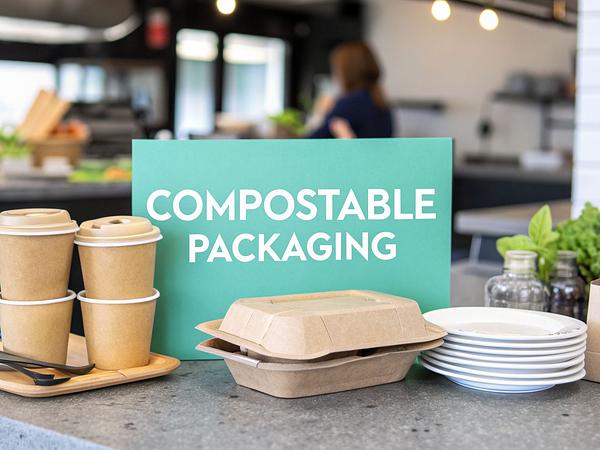
Make it a priority to source eco-friendly consumables like compostable food containers, biodegradable paper straws, and napkins made from recycled materials. These choices genuinely enhance your brand's reputation and appeal directly to customers who care about environmental impact. A pro tip is to find a supplier that offers free samples—this allows you to test the quality before committing, ensuring everything meets your standards.
Getting Legal and Building Your Dream Team
With your location secured and suppliers lined up, your focus now pivots to two of the most critical parts of your business: handling the legal side of things and finding the people who will bring your coffee shop to life.
Getting these foundations right isn't just about ticking boxes. It's about building a professional, sustainable operation from the very first day. Frankly, learning how to start a coffee shop means becoming as good with paperwork as you are with a portafilter. For any UK hospitality business, compliance isn't optional—it's the framework for everything you do.
The Essential Legal Checklist
The paperwork can feel a bit overwhelming at first, but if you break it down and tackle it step-by-step, it's perfectly manageable. Here are the absolute non-negotiables for any food and drink business in the UK.
- Register as a Food Business: This is your first official step. You are legally required to register your premises with your local council's Environmental Health department at least 28 days before you open. The good news? It’s completely free.
- Get to Grips with Food Hygiene: You must follow UK food safety laws. This means having a solid food safety management system based on HACCP (Hazard Analysis and Critical Control Point) principles. The Food Standards Agency has fantastic resources, including their 'Safer food, better business' packs which are a lifesaver.
- Your Food Hygiene Rating: After your first inspection, you'll be given a hygiene rating from 0 to 5. This 'scores on the doors' sticker has to be displayed where customers can see it. A high rating is one of the most powerful marketing tools you have, building instant trust before anyone even takes a sip.
Think of your legal duties as the bedrock of your business. Embracing them shows a deep commitment to the safety of your customers and your team, and that's a message you want to send loud and clear.
Your Responsibilities as an Employer
The moment you hire your first employee, you step into a new role with a fresh set of legal duties. It’s crucial to get this right from the start to build a fair and secure workplace.
You’ll need to conduct ‘right to work’ checks on every single person before they officially start to ensure they can legally work in the UK. You'll also need to enrol any eligible staff into a workplace pension scheme and pay into it—that's part of the government's auto-enrolment rules. And finally, don't forget Employers’ Liability insurance. It’s a legal must-have from the day your first team member walks through the door.
Finding People Who Are Your Brand
Your team is the heart and soul of your coffee shop. They're the ones on the front line, turning curious first-time visitors into devoted regulars. Building a brilliant team is about so much more than just hiring skilled baristas; it's about finding people who genuinely share your passion for amazing coffee and creating a welcoming space.
When you're hiring, look for that spark—a natural warmth and a can-do attitude. You can teach someone how to steam milk to silky perfection, but you can't really teach enthusiasm or the knack for making people feel at home. A great team member doesn't just make a fantastic flat white; they remember a regular's name and their usual order. That’s the magic.
Creating a Culture People Want to Be Part Of
Once you've found your people, investing in them is the smartest move you can make. A positive culture doesn't just appear out of thin air; you have to build it intentionally through clear communication, respect, and real support.
Start with a proper training programme. This should cover everything from the technical skills of dialing in the grinder to the softer skills of customer service. Many specialty coffee roasters offer incredible, in-depth barista training as part of their partnership deal—this is an invaluable resource you should definitely take advantage of.
Also, think about your own role. A great owner is present, approachable, and leads by example. When your team sees you sweeping the floor, jumping in to help during a rush, or just taking the time to chat with customers, it sets a powerful tone. Staff who feel happy and valued will always give the best service, and that's what will turn your coffee shop into a place people truly love.
Making Your Launch and Building a Community
The big day is finally here. You’re about to open the doors. This is a massive moment, but remember, it’s just the start. The real challenge is turning those curious first-time visitors into regulars who can't imagine their morning without you. A smart launch and a genuine focus on community are what will separate you from being just another coffee shop and transform you into a true neighbourhood hub.
Your goal is to create a buzz that doesn't just fizzle out after the grand opening. It’s all about building real relationships that give people a reason to walk past three other cafés to get to yours, day after day.
Your Grand Opening Playbook
Before you throw the doors open to the public, I always advise a ‘soft launch’. Think of it as a dress rehearsal. Invite friends, family, and maybe the local tradespeople who helped bring your vision to life. This is your chance to stress-test everything – your team, your coffee machine, your payment system – in a friendly, low-stakes environment.
You can work out the kinks in your workflow, from how the queue forms to whether the WiFi can handle a crowd. This dry run means that when you officially open, your team is confident, polished, and ready to make a brilliant first impression when it really matters.
Your launch isn't just a one-day event. It's the first page in your coffee shop's story. Make it a great one by focusing on connection, not just transactions.
For the grand opening itself, make it feel like an event. You could offer a little discount on the first day, throw in a free pastry with every coffee, or even have a local musician playing. The idea is to build some excitement and get people talking.
Creating a Loyal Following
Once you're up and running, your focus needs to shift from attracting customers to keeping them. This is where the community building really kicks in. Trust me, simple but effective ways to encourage loyalty are worth far more than constantly chasing new business.
Keep Loyalty Simple: The old-school stamp card is a classic for a reason. A straightforward "buy nine, get the tenth free" is easy for you to manage and makes your regulars feel genuinely valued. It’s a simple thank-you that gives them a concrete reason to come back.
Host Local Events: Your space is more than just a place to sell coffee. Use it! Open mic nights, book clubs, displaying work from local artists, or even parent-and-toddler mornings can bring people in during your quieter periods. It fosters a sense of belonging and gets new faces through the door.
Team Up with Your Neighbours: Get to know the other independent businesses on your street. Why not offer a small discount to customers who show a receipt from the bookshop next door, and ask them to do the same for you? This kind of cross-promotion is fantastic for building a strong local business community where everyone wins.
At the end of the day, your success comes down to becoming a welcome part of your customers' daily routine. Little things, like choosing sustainable packaging such as recyclable coffee cups or sourcing your cakes from a local baker, really do matter. They’re quiet but powerful signals that you share your community’s values. When people feel good about where they spend their money, they stop being customers and start becoming your biggest advocates.
Your Coffee Shop Questions Answered
How Much Does It Really Cost to Start a Small Coffee Shop in the UK?
This is the big question, isn't it? The honest answer is: it depends. For a small, independent coffee shop in the UK, you're realistically looking at a startup investment anywhere between £20,000 and £100,000.
What pushes the cost up or down? Key expenses will be your property deposit, the shop fit-out (which can be a huge variable), professional-grade equipment like a solid espresso machine and grinders, your first big stock order, and all the necessary licensing fees. This is where a detailed business plan becomes your best friend – it’ll help you map out a much more precise budget.
What Licences Do I Actually Need to Open a Cafe in the UK?
Getting the paperwork right from the start is non-negotiable. First off, you must register as a food business with your local council at least 28 days before you plan to open your doors. It’s a legal requirement.
Beyond that, you'll need to be fully compliant with all food safety regulations. You’ll also need solid public liability insurance. Thinking of putting a few tables out front? You'll likely need a Pavement Licence. And if you want to play music to create that perfect atmosphere, you'll need a Music Licence from PPL PRS.
Is Owning a Coffee Shop Profitable in the UK?
Absolutely, it can be. The margins on coffee itself are fantastic, with gross profits often landing somewhere between 65% and 80%. A cup of coffee that costs you 40p in beans and milk can easily sell for £3.00.
But that's just one part of the puzzle. Your overall profitability hinges on how well you manage your operational costs—rent, staff wages, and utilities are the big three. Success comes down to more than just great coffee; it's about smart financial management, building a strong brand, and delivering the kind of service that turns first-time visitors into regulars.